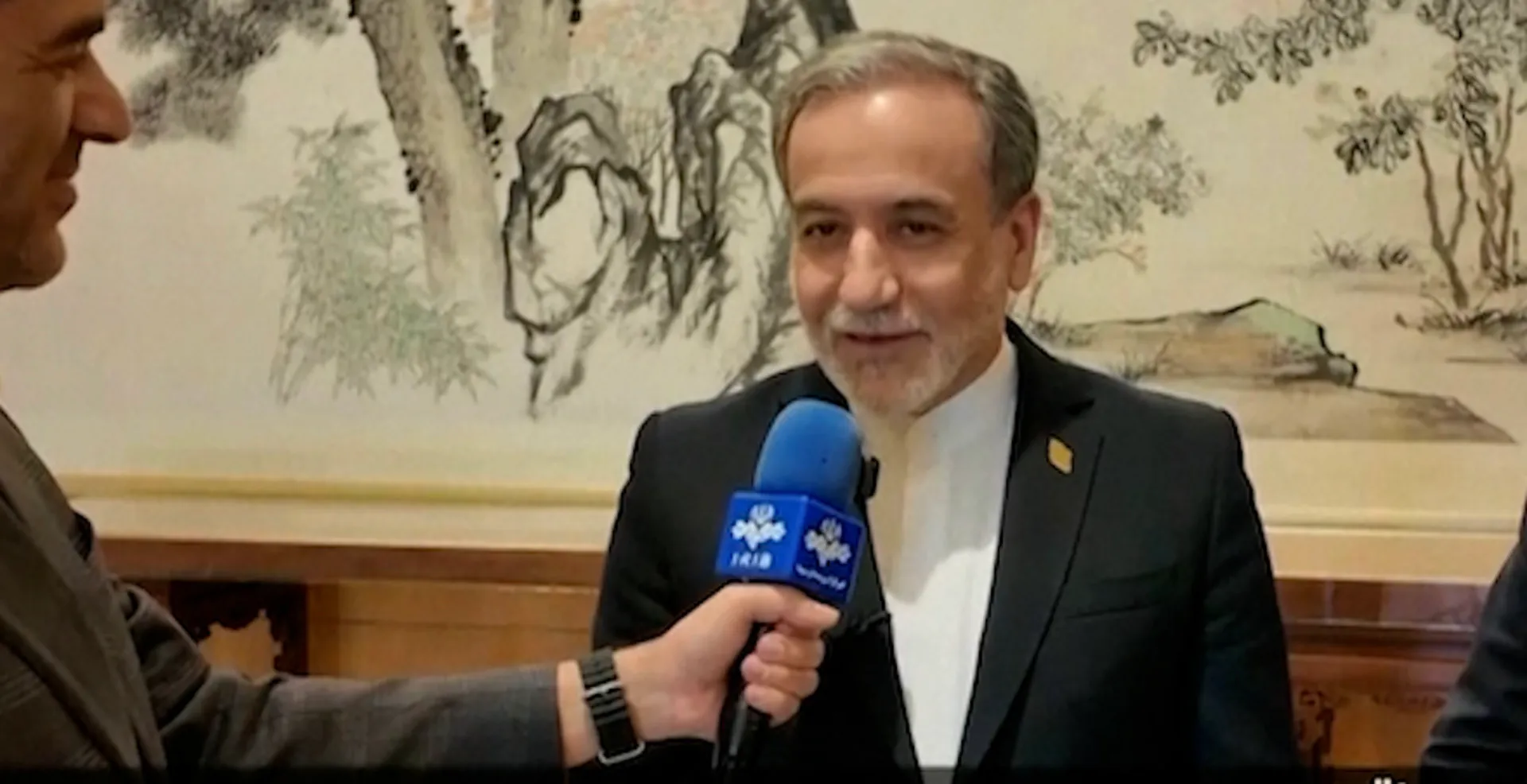

The Iranian foreign minister’s recent assertionof an “elevated international standing” gains strategic weight amid heightened diplomatic activity in Beijing, where discussions on reopening the Strait of Hormuz underscore a recalibration of regional trade architectures. For the Middle East and North Africa (MENA) capital markets, this narrative signals a potential shift toward greater geopolitical tolerance, influencing investor sentiment toward Iranian sovereign instruments and ancillary business ecosystems.
From a business perspective, the diplomatic overture translates into tangible opportunities for private sector engagement, particularly in logistics, energy, and maritime services. Enhanced access to the Strait of Hormuz could revive cargo flows, stimulate freight contracts, and create a more predictable environment for multinational operators seeking exposure to Iranian markets, thereby bolstering regional GDP contribution through increased trade volumes.
Sovereign capital flows stand to benefit from renewed diplomatic legitimacy, as Tehran may more readily tap into sovereign wealth funds, international bond markets, and development finance mechanisms. This could lower borrowing costs, attract structured financing for infrastructure upgrades, and facilitate the issuance of Sharia‑compliant securities that appeal to Gulf Cooperation Council (GCC) investors seeking diversification beyond oil revenues.
Venture capital dynamics are poised for an inflection point, as a more stable diplomatic posture encourages risk‑averse investors to explore high‑growth sectors such as fintech, renewable energy, and digital infrastructure. The convergence of sovereign backing, eased regulatory pathways, and regional cooperation frameworks is likely to accelerate capital deployment into MENA‑wide technology hubs, reinforcing the region’s transition toward a knowledge‑based economy supported by robust, interoperable infrastructure networks.