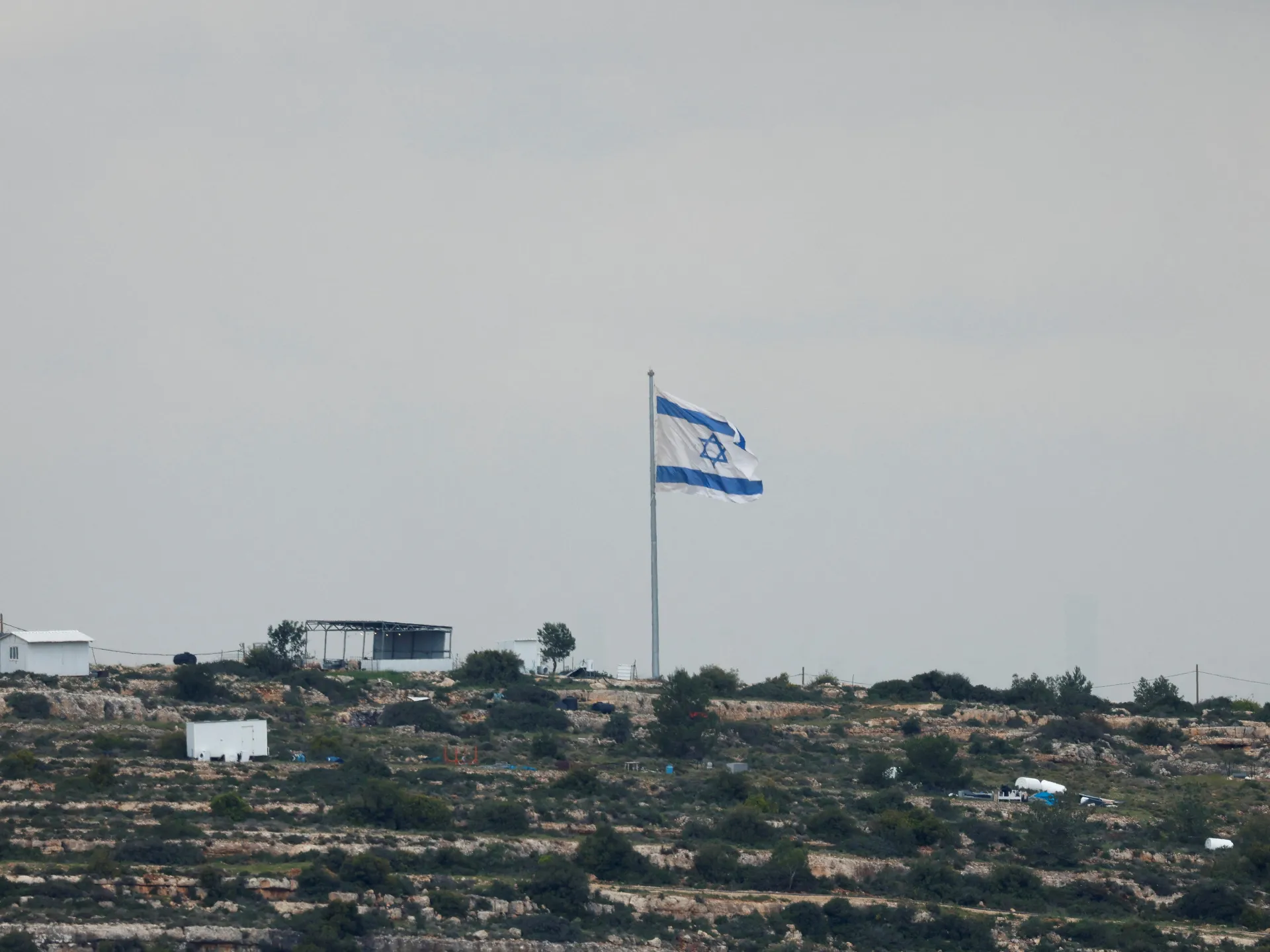

The recent Israeli government’s approval of 34 new settlements in the occupied West Bank marks a significant escalation that analysts warn could destabilize regional infrastructure and investment flows across the Middle East and North Africa. These settlements, constructed on Palestinian territory and deemed illegal under international law, represent more than a political flashpoint—they signal potential disruption to strategic corridor development critical for regional connectivity and economic integration initiatives. As sovereign wealth funds and venture capital investors increasingly look toward MENA infrastructure projects—from the Red Sea development to cross-border tech ecosystems—security uncertainties in the Levant could dramatically slow capital deployment and redirect investment toward the Gulf’s more politically stable environments.
From an infrastructure perspective, any deterioration in Western Bank stability threatens to destabilize development along key transit routes linking the Mediterranean to Persian Gulf shipping lanes. These corridors form the backbone of China’s Belt and Road Initiative participation in the region and host billion-dollar joint venture investments from major sovereign funds. The expansion of settlements also risks freezing multilateral economic agreements currently being negotiated between Israel and several Arab states, particularly those involving technology transfer and digital infrastructure projects valued at over $50 billion. Venture capital firms with exposure to Israeli-Palestinian technology hubs—specializing in cybersecurity, fintech, and AI—are already recalibrating risk models and potentially redirecting dry powder to more secure deployment locations within the GCC.
Strategic capital allocators are closely monitoring how this policy shift affects Israel’s status as a technology export hub and how it might trigger reputational risks that could limit access to Gulf capital markets. The announcements by far-right minister Bezalel Smotrich regarding territorial expansion into Gaza, Lebanon, and Syria add another layer of complexity, potentially creating a multi-front scenario that could overwhelm current infrastructure resilience planning and defense expenditure modeling. As portfolio managers reassess MENA exposure, the settlement expansion serves as a reminder that geopolitical shifts on territorial boundaries can cascade into capital market movements, affecting cross-border private equity flows, sovereign infrastructure bonds, and the broader regional investment climate that Middle East capital markets have meticulously built over the past two decades.