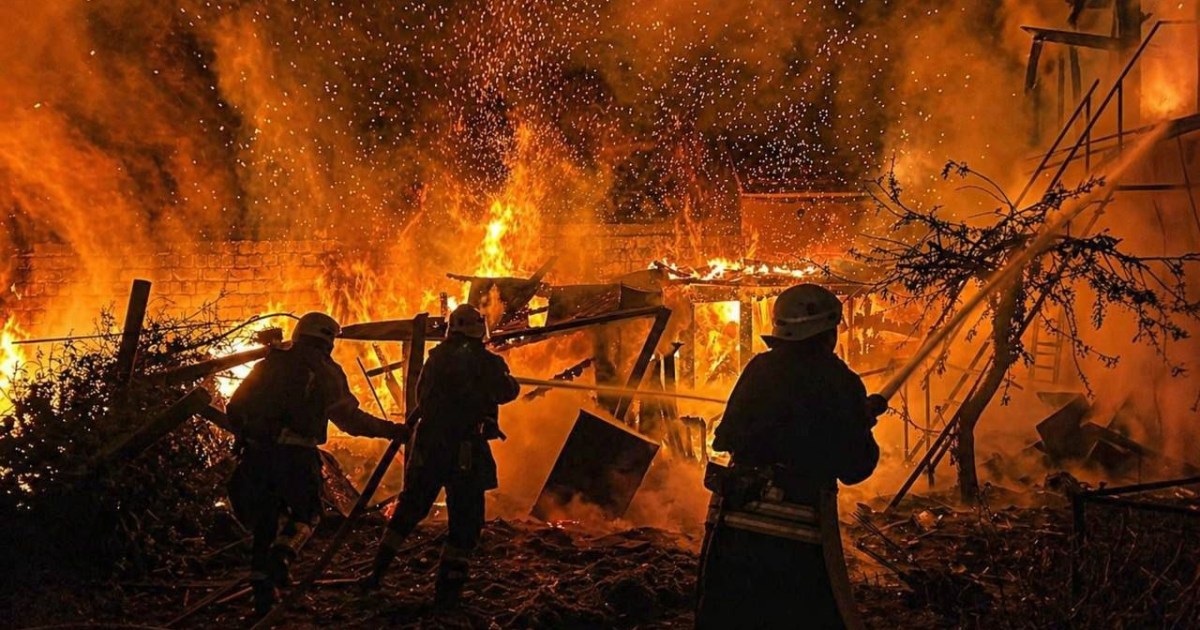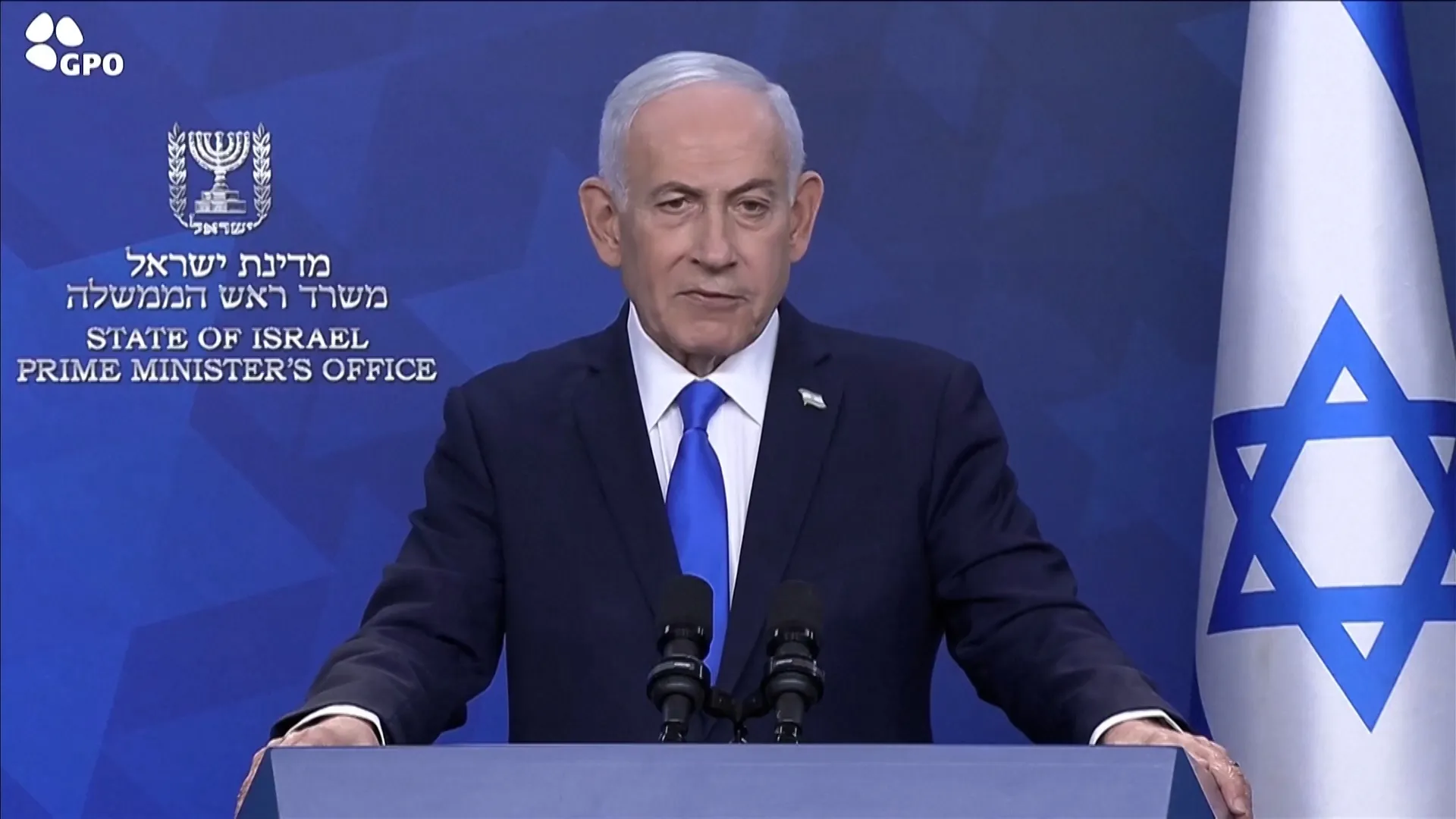

Recent reports highlighting Israel’s military actions in Lebanon, including claims of targeting Hezbollah’s use of ambulances, carry significant implications for the broader Middle East and North Africa (MENA) region’s economic and technological landscape. While the immediate crisis underscores the volatile security environment, the underlying business and investment ramifications demand careful scrutiny from financial and technology stakeholders.
The escalating tensions inevitably impact sovereign capital allocation within the region. Increased security concerns can deter foreign direct investment (FDI) across various sectors, particularly those reliant on cross-border activity or regional stability. Simultaneously, the conflict may redirect sovereign wealth fund (SWF) strategies, potentially leading to greater emphasis on domestic resilience and diversification away from more exposed markets. Venture capital (VC) activity in neighboring countries, especially those with close ties to either Israel or Lebanon, is likely to experience heightened uncertainty, potentially slowing down funding rounds and innovation cycles. The disruption to supply chains and regional trade routes will further constrain economic growth.
Beyond immediate financial impacts, the situation has profound implications for regional infrastructure development. Existing infrastructure, including telecommunications networks and transportation systems, could face damage or disruption. This necessitates accelerated investment in resilient and secure infrastructure solutions, creating opportunities for technology providers specializing in cybersecurity, critical infrastructure protection, and alternative communication technologies. Furthermore, the conflict may accelerate the adoption of digital solutions for logistics, supply chain management, and remote work, bolstering the growth of the fintech and digital services sectors within the region. The need for robust data security and privacy measures will also become paramount, driving demand for specialized cybersecurity firms.
Looking ahead, the long-term business impact hinges on the duration and intensity of the conflict. However, one certainty is the heightened need for proactive risk management and strategic diversification within the MENA region’s financial and technological ecosystem. Institutions will need to reassess investment portfolios, prioritize resilience-focused technologies, and foster regional collaboration to mitigate the potential economic fallout and capitalize on emerging opportunities presented by the evolving geopolitical landscape.