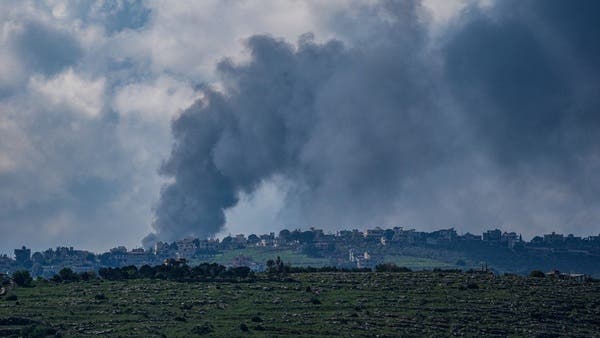

The escalation of hostilities between Israel and Hezbollah in southern Lebanon introduces a significant layer of geopolitical volatility, with profound ramifications for regional economic stability and sovereign capital flows. Lebanon, already grappling with a deepened debt crisis and a fragile banking system, risks further erosion of international confidence amid renewed violence. The strikes near Deir Aames, particularly as they violate the ceasefire framework endorsed by global actors, may precipitate additional capital flight from the government sector, complicating efforts to restructure Lebanon’s colossal sovereign debt. Investors are likely to reassess exposure to Lebanese state bonds, fearing heightened risk of default or protracted negotiations with creditors, while de-escalation hinges on Israel’s operational calculus and regional diplomacy.
Regional venture capital ecosystems are also poised for short-term turbulence, as sustained conflict disrupts startup environments in both Lebanon and adjacent jurisdictions. While Gulf states like Saudi Arabia and the UAE continue funneling capital into innovation hubs, the spillover effects of roadblocks, strikes, and instability in Lebanon could trigger a flight of talent and deter cross-border partnerships. Critical sectors such as fintech and agritech—already reliant on regional stability—may face operational bottlenecks, as supply chain dependencies and workforce mobility are jeopardized. However, the crisis could accelerate funding for security technology and conflict-resilient infrastructure startups, with Middle East-focused VC firms recalibrating portfolios to prioritize defensible assets amid uncertainty.
Beyond immediate fiscal and entrepreneurial challenges, the continued militarization of southern Lebanon underscores strategic vulnerabilities in regional infrastructure corridors vital to MENA trade. Disruptions to transportation networks near the Israel-Lebanon border threaten to ripple across vital logistical chains, disproportionately impacting Syria and Jordan’s fragile economies. Stakeholders may accelerate investments in alternative transit routes, such as the Red Sea shipping corridors and Gulf-based logistics hubs, to mitigate risks. In the long term, sustained conflict risks entrenching Lebanon as a pariah state, further marginalizing it from the $12 trillion global trade network that sustains Middle East and North Africa infrastructure development.
The interplay of violence and economic fragility highlights the imperative for institutional actors to pivot toward conflict-resilient financing frameworks. Sovereign guarantees and VC de-risking tools must be reinvigorated to shield critical investments from spillover crises, while regional blocs like the Union for the Mediterranean should intensify efforts to broker durable ceasefires. Failure to address these dynamics risks a self-reinforcing cycle of instability, where economic despair fuels further proxy conflicts and infrastructure decay. For MENA policymakers and investors alike, the window to mitigate fallout—before Lebanon’s crisis engulfs broader regional ambitions—is rapidly closing.