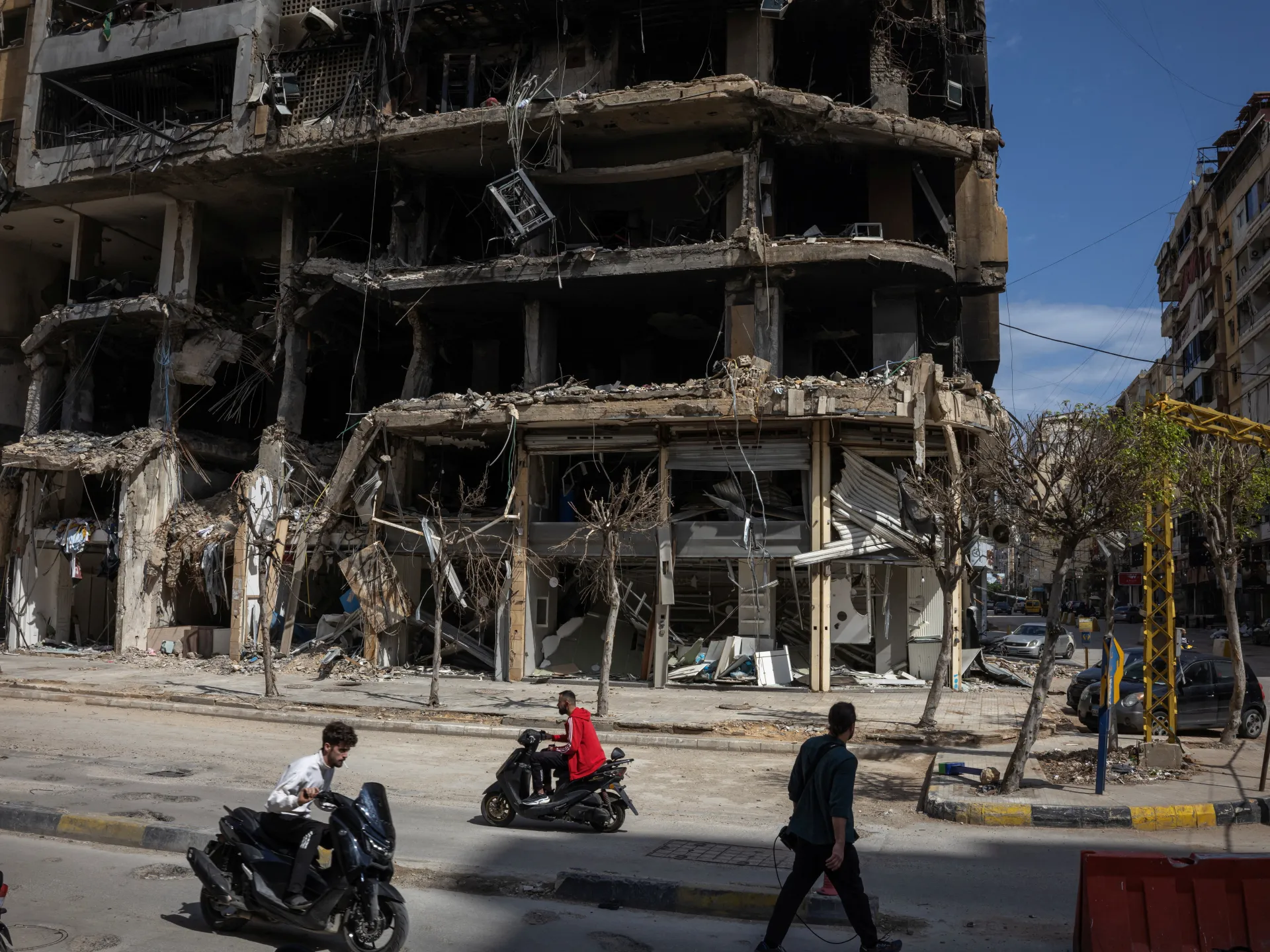

Israel’s continued military operations in southern Lebanon, despite a three‑week ceasefire extension negotiated by the United States, are now having a tangible contagion effect across the MENA region’s financial and infrastructural ecosystem. The raids that killed four civilians in Yohmor al‑Shaqif have heightened political risk premiums in Lebanese sovereign debt, driving upward the spreads on the country’s long‑term bonds and tightening liquidity conditions for the Banque du Liban. In turn, regional funds that hold exposure to Lebanese equities and real estate are being forced to re‑evaluate their risk models, with some shifting capital out of Lebanon and toward more stable Gulf market indices.
The escalation also threatens to slow the surge of cross‑border infrastructure projects that have been championed by the Gulf Cooperation Council and the Middle East and North Africa Infrastructure Initiative. Projects such as the Cross‑Arab Turkmen Trade Corridor and the Levant LNG Expansion, both in early design stages, rely on predictable security environments to secure the large‑scale capital commitments from sovereign wealth funds and multilateral investors. A renewed flare‑up of hostilities risks driving up cost‑of‑capital ratios for these ventures, potentially causing delays or cancellations that could ripple through downstream supply chains, from construction materials to logistics services.
Venture capital activity in the MENA‑tech hub – which has already attracted $3.5 billion in global investment in 2025 – is also being put on hold. Start‑ups that rely on the regional data‑share networks and the burgeoning fintech ecosystem are facing stricter regulatory reviews, while investors are recalibrating their theses to account for heightened geopolitical volatility. The European Union’s EIB and the World Bank have issued advisories urging caution, which may temporarily slow the flow of mezzanine debt and bridge financing that tech firms typically secure in the bridge to Series C.
Ultimately, the continuing conflict threatens to derail a rapidly accelerating cycle of capital inflows that had positioned the MENA region at the forefront of mid‑tier economic development. Sovereign actors must now weigh the strategic imperative of maintaining offensive security capabilities against the economic imperative of ensuring a stable, attractive environment for both domestic and foreign investors. Any misstep could erode the hard gains achieved over the past decade in sovereign credit ratings, venture funding, and regional infrastructure momentum.