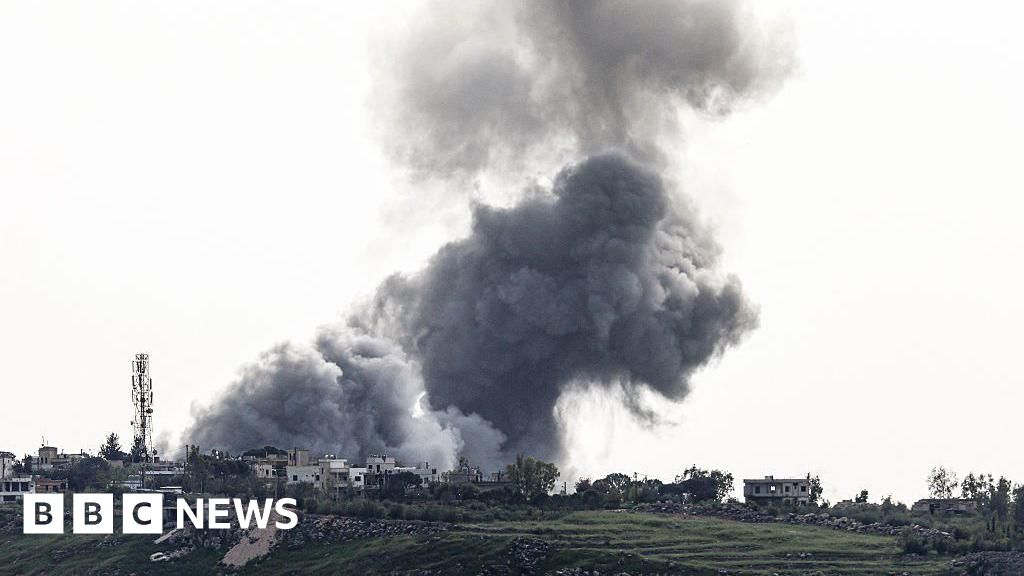

The military posture described by Lebanese officials reflects a strategic realignment with broader implications for regional economic and technological ecosystems. Sovereign capital markets across the Middle East and North Africa (MENA) may experience heightened volatility as defense expenditure surges, diverting critical financial resources from sectors like energy and technology. Lebanon’s geopolitical constraints, compounded by regional tensions, likely impose additional risks on foreign investment, potentially stifling sovereign wealth funds’ appetite for diversified portfolios. This trend could accelerate capital rationing, prioritizing short-term stability over long-term infrastructure or digital transformation projects. Venture capital (VC) activity in MENA may also face headwinds, as political uncertainty dampens investor confidence, particularly in early-stage startups reliant on cross-border collaboration or sensitive data infrastructure.
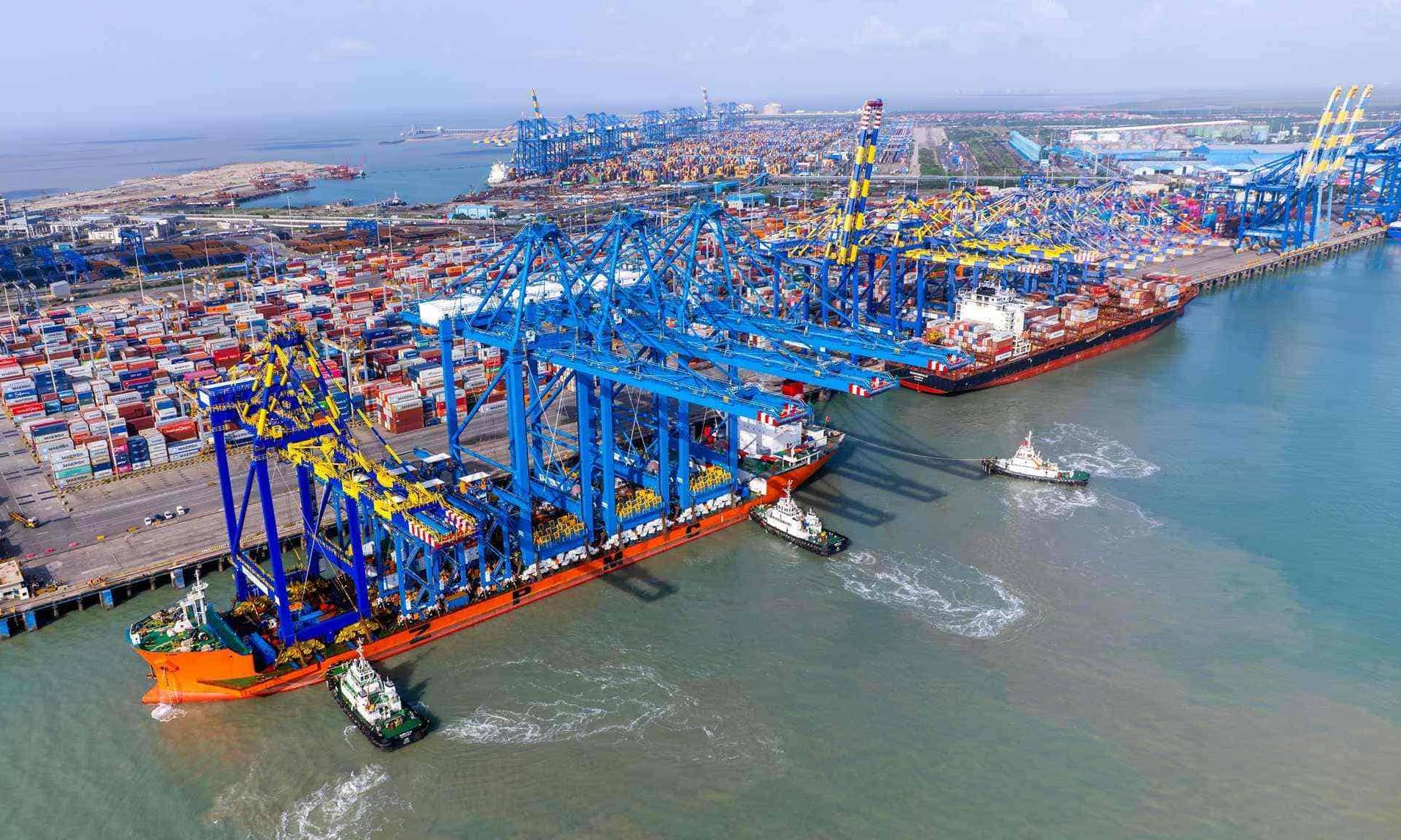
The imperative to neutralize emerging threats underscores a latent opportunity for region-specific tech innovation. Defense and cybersecurity startups could attract increased VC interest, given the strategic alignment between military requirements and advanced technological solutions. However, sovereign entities must balance immediate security needs with efforts to cultivate a robust VC ecosystem. Public-private partnerships in areas such as AI-driven surveillance or threat intelligence platforms may emerge as critical avenues for sovereign capital allocation, though success will depend on regulatory frameworks that mitigate geopolitical spillover risks. Regional infrastructure projects, particularly in logistics and digital connectivity, may also pivot toward hardening solutions, redirecting investments toward resilient supply chains and encrypted communication networks rather than conventional megaprojects.
Ultimately, the MENA region stands at a crossroads where security imperatives directly shape its financial and technological trajectory. The redirection of sovereign capital toward defense and security infrastructure could either catalyze localized tech ecosystems or exacerbate capital flight if perceived risks escalate. Venture capital will need to adapt by focusing on niche, high-impact domains that address regional vulnerabilities, while international stakeholders must weigh geopolitical exposure against growth potential. Regional infrastructure resilience—both physical and digital—will become a pivotal determinant of long-term economic stability, requiring coordinated investment that transcends immediate military concerns.