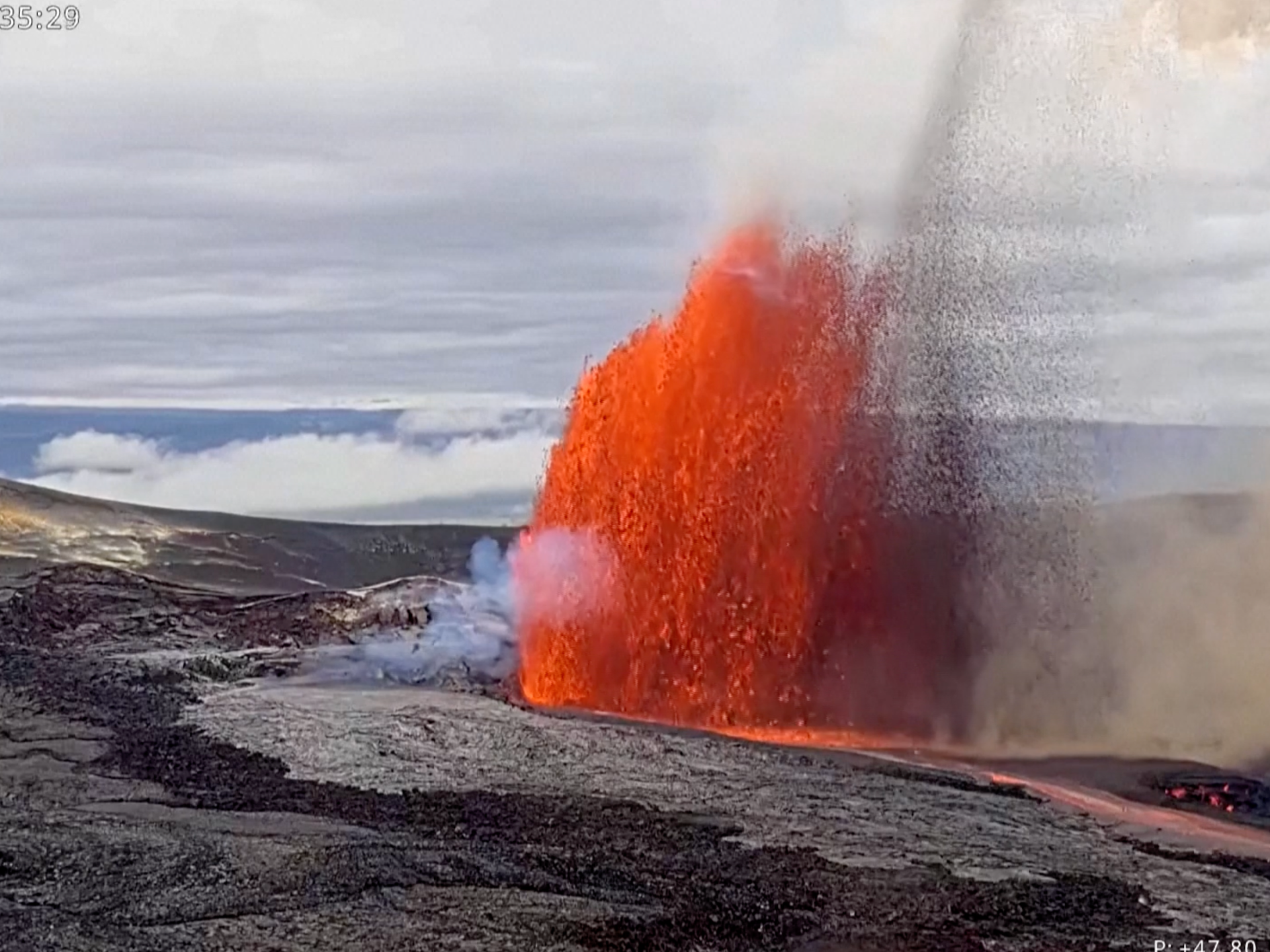

The recent volcanic activity at Kīlauea in Hawaii, while a natural phenomenon, carries significant implications for the Middle East and North Africa (MENA) region’s financial and technological landscape. Beyond the immediate humanitarian considerations, this event underscores the increasing vulnerability of critical infrastructure to unforeseen disruptions, a concern acutely felt in a region heavily reliant on complex and interconnected systems.
From a business perspective, the Kīlauea eruption serves as a stark reminder of the potential for global events to trigger cascading effects across supply chains. The region’s burgeoning venture capital ecosystem, while experiencing robust growth, remains sensitive to geopolitical and environmental risks. Significant disruptions to global logistics and commodity flows emanating from such events could impact investment decisions and valuations, particularly in sectors like energy, tourism, and manufacturing which have strong ties to international markets. Sovereign wealth funds, managing substantial assets, are likely to reassess risk allocation strategies in light of heightened global uncertainty.
The incident also highlights the crucial need for enhanced resilience in regional infrastructure. MENA nations are actively pursuing digital transformation and smart city initiatives, often involving substantial capital investment. Failures in these systems, whether due to natural disasters or other unforeseen circumstances, could severely impede economic progress and national security. The need for robust cybersecurity protocols, redundant systems, and geographically diverse infrastructure becomes increasingly paramount. Furthermore, the event may catalyze greater investment in early warning systems and disaster preparedness technologies, aligning with broader trends in leveraging technology for risk mitigation.
Looking ahead, the Kīlauea eruption should prompt a renewed focus on diversifying economic dependencies and strengthening regional partnerships. While the immediate economic impact on MENA is likely limited, the long-term implications for investment flows, infrastructure security, and risk management necessitate a proactive and strategic approach. The event underscores that even geographically distant crises can have ripple effects, emphasizing the importance of robust financial planning and adaptive strategies within the region’s dynamic economic environment.