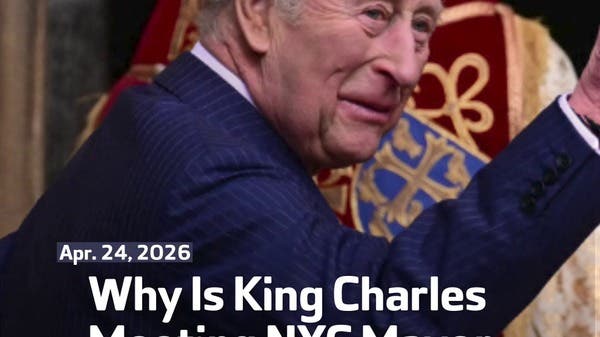

The recent meeting between His Majesty King Charles III and New York City Mayor Eric Adams in New York City, ostensibly focused on urban resilience and climate adaptation, carries significant implications extending far beyond transatlantic city-to-city relations. While the stated objectives are laudable, the underlying impetus – a concerted effort by the UK to bolster its influence within the MENA region – demands a deeper examination of its potential impact on sovereign capital flows, venture capital investment, and the evolving digital infrastructure landscape across North Africa and the Middle East. The King’s visit, coupled with ongoing diplomatic efforts, signals a strategic recalibration of Western engagement, prioritizing partnerships with nations increasingly assertive in their economic and technological ambitions.
From a financial perspective, this renewed focus represents a potential boon for Gulf sovereign wealth funds, traditionally reliant on Western investment mandates. However, it also necessitates a reassessment of investment strategies. Increased collaboration with the UK – particularly in areas like green technology, fintech, and advanced manufacturing – could incentivize these funds to diversify their portfolios beyond established Western markets. Simultaneously, we anticipate a surge in direct investment from Middle Eastern sovereign wealth funds into UK infrastructure projects, mirroring a trend already observed in Europe. Crucially, this shift will likely be accompanied by a greater emphasis on regulatory harmonization and the development of mutually recognized investment frameworks, potentially creating friction with existing European Union regulations and impacting the flow of capital within the broader European financial system.
The venture capital ecosystem in the MENA region is poised for a notable transformation. The UK’s established network of VC firms, coupled with government-backed initiatives like Innovate UK, will undoubtedly seek to expand their presence in the region. We expect to see increased joint ventures and technology transfer agreements, particularly in sectors like cybersecurity, AI, and renewable energy. However, this influx of foreign capital must be carefully managed to avoid crowding out local startups and hindering the development of indigenous innovation. Furthermore, the emphasis on “resilience” – a key theme of the King’s visit – will likely drive investment towards critical infrastructure projects, including smart grids, water management systems, and advanced logistics networks, presenting both opportunities and challenges for regional infrastructure development.
Ultimately, the strategic alignment between the UK and key MENA nations represents a fundamental shift in the geopolitical and economic dynamics of the region. The long-term impact will depend on the degree to which these partnerships are genuinely collaborative and mutually beneficial, rather than simply reflecting a reassertion of Western influence. Sustained success requires a commitment to fostering local talent, promoting open market access, and ensuring that technological advancements contribute to inclusive and sustainable economic growth across the Middle East and North Africa. Monitoring the evolution of these relationships, alongside the corresponding shifts in sovereign capital allocation and venture capital activity, will be paramount for investors and policymakers alike in the coming years.