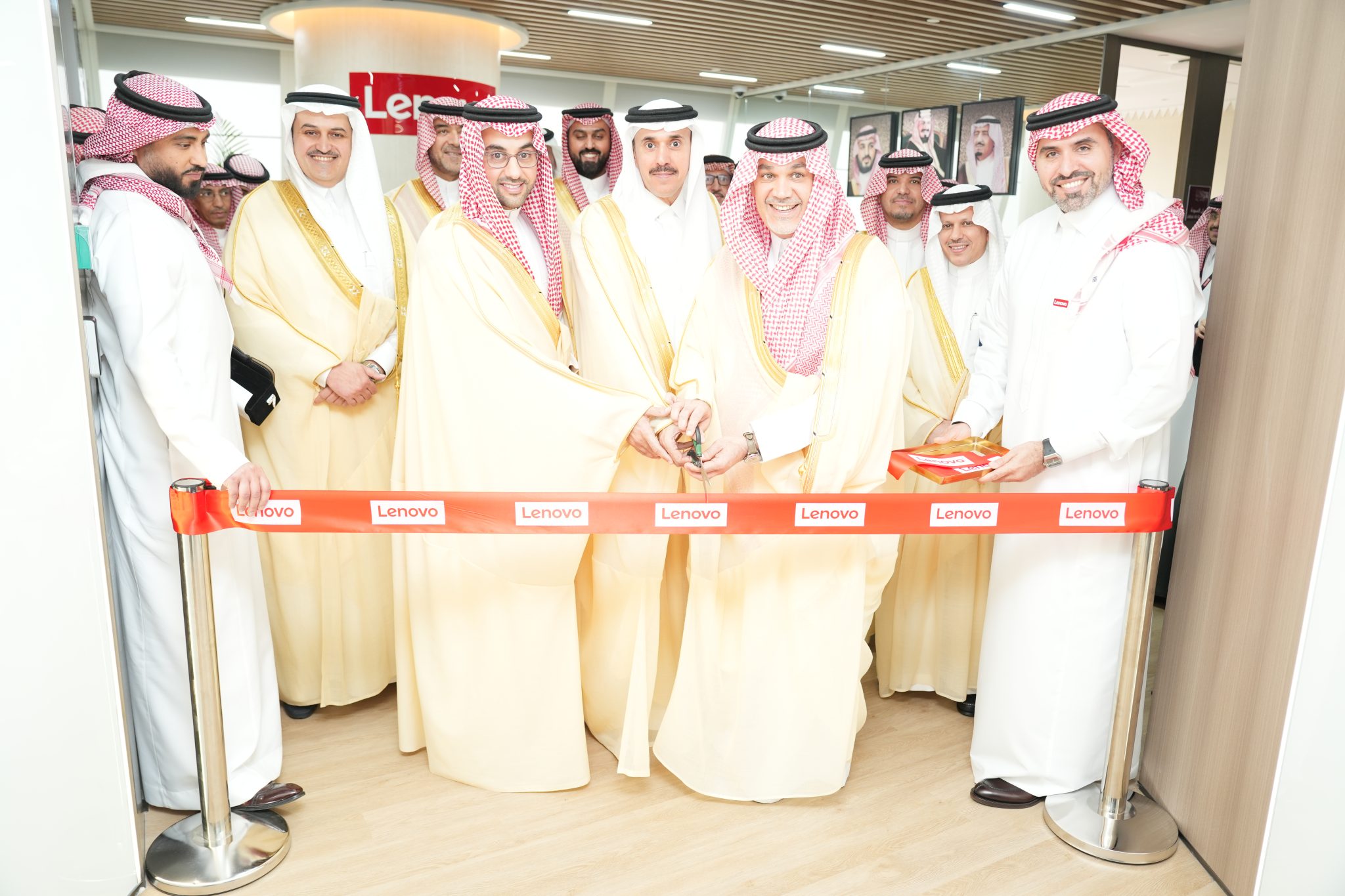

Lenovo’s formal inauguration of its Middle East, Türkiye, and Africa (META) Regional Headquarters (RHQ) in Riyadh this week represents a significant development for Saudi Arabia’s burgeoning technology sector and underscores the Kingdom’s attractiveness as a regional hub. Beyond a mere corporate expansion, the move signals a deepening commitment from a major global technology player to Vision 2030, aligning with the Kingdom’s strategic objectives of economic diversification and reduced reliance on hydrocarbons. The establishment of the RHQ, coupled with Lenovo’s existing investments in advanced manufacturing, R&D, and talent development, positions Riyadh as a critical node in Lenovo’s global operations and a potential catalyst for broader technology ecosystem growth across the MENA region.
The business implications extend beyond Lenovo’s direct operations. The Riyadh RHQ is expected to stimulate local value creation through increased procurement, partnerships with Saudi-based businesses, and the development of a skilled workforce. Critically, Lenovo’s “Saudi Smart Manufacturing Graduate Program,” training 28 Saudi engineers at its global facilities and subsequently deploying them within the Riyadh manufacturing site, exemplifies a deliberate strategy to transfer technical expertise and cultivate a pipeline of local talent. This initiative is particularly noteworthy given the broader regional focus on upskilling and localization, a priority for both sovereign wealth funds like the Public Investment Fund (PIF) and regional governments seeking to attract foreign direct investment (FDI) in high-value sectors. The program’s success could serve as a model for other multinational corporations seeking to establish a presence in the Kingdom.
Sovereign capital and venture capital (VC) activity will likely be influenced by Lenovo’s investment. The PIF’s ongoing efforts to build a robust technology sector, including investments in digital infrastructure and emerging technologies, are directly complemented by Lenovo’s presence. The RHQ’s strategic location within Majdoul Tower, a hub for government entities and investment institutions, further facilitates potential synergies and collaborative opportunities. Moreover, Lenovo’s commitment to innovation and R&D could attract VC interest in Saudi-based technology startups, particularly those focused on areas such as smart manufacturing, AI, and cloud computing. The availability of a major corporate anchor tenant like Lenovo provides a degree of validation and reduces perceived risk for VC investors.
Finally, the infrastructure implications are considerable. Lenovo’s operations necessitate robust digital infrastructure, including reliable power, high-speed internet connectivity, and advanced logistics capabilities. This demand will likely spur further investment in these areas, benefiting not only Lenovo but also other businesses operating within the Riyadh technology ecosystem. The RHQ’s location and the broader investments in advanced manufacturing facilities highlight the Kingdom’s ambition to establish a competitive, export-oriented technology sector, requiring continued upgrades to regional infrastructure to support sustained growth and integration into global supply chains. Lenovo’s commitment, therefore, is not merely a corporate decision, but a strategic endorsement of Saudi Arabia’s long-term vision for technological leadership in the META region.