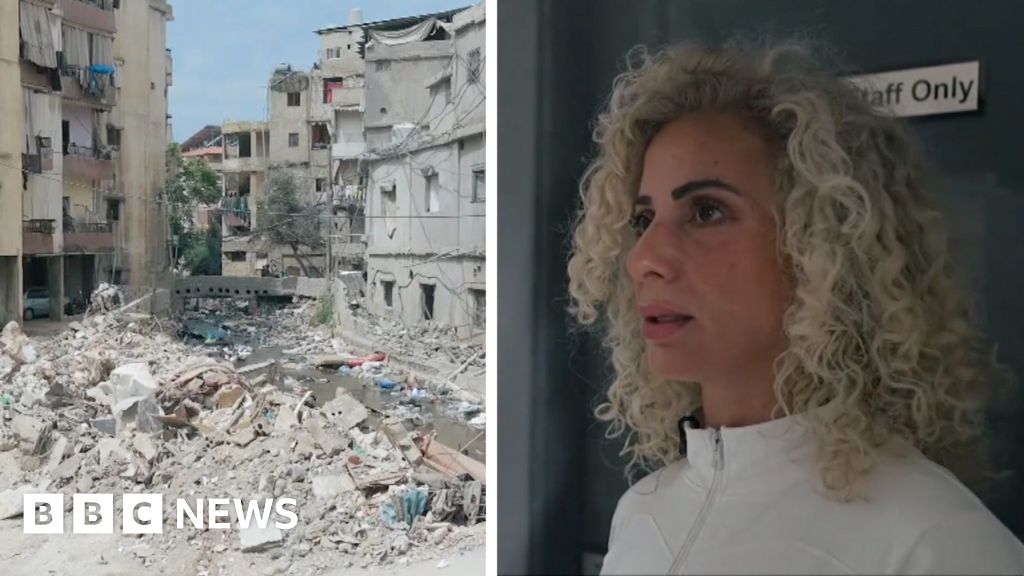

The escalation of kinetic activity between Israel and Hezbollah on April 8, 2026, has fundamentally disrupted the fragile geopolitical de-escalation narrative emerging from Washington. Despite the announcement of a multilateral ceasefire involving the U.S., Israel, and Iran aimed at stabilizing the Gulf, Israel’s rapid-response strikes across 100 Lebanese targets signal a profound decoupling of regional security theaters. For institutional investors and sovereign wealth funds (SWFs) managing large-scale exposure to the Levant, this volatility underscores the persistent “geopolitical risk premium” that continues to plague Middle Eastern asset valuations, regardless of diplomatic breakthroughs in the Persian Gulf.
From a capital flows perspective, the intensification of the Lebanon-Israel conflict introduces significant headwinds for regional venture capital (VC) and private equity ecosystems. The displacement of nearly 20% of the Lebanese population and the catastrophic humanitarian toll threaten to exacerbate the existing brain drain, further eroding the human capital necessary for the burgeoning MENA fintech and tech-enabled services sectors. As regional stability remains contingent on localized containment rather than broad diplomatic pacts, the “safe haven” status of GCC-based hubs like Abu Dhabi and Riyadh will face increased scrutiny as investors recalibrate their risk models against the possibility of contagion spreading from Lebanon to broader Mediterranean maritime trade routes.
Furthermore, the breakdown of the expected ceasefire complicates long-term infrastructure planning and regional connectivity projects. The instability undermines the predictability required for large-scale foreign direct investment (FDI) into Levant-based energy and logistical corridors, which are critical to the integration of North African and Middle Eastern markets. For sovereign entities, the immediate priority shifts from expansionary capital deployment to defensive liquidity management and the hardening of regional supply chains. As the conflict evolves, the divergence between Gulf-centered stability and Levantine volatility will likely dictate the bifurcation of regional investment strategies for the remainder of the fiscal year.