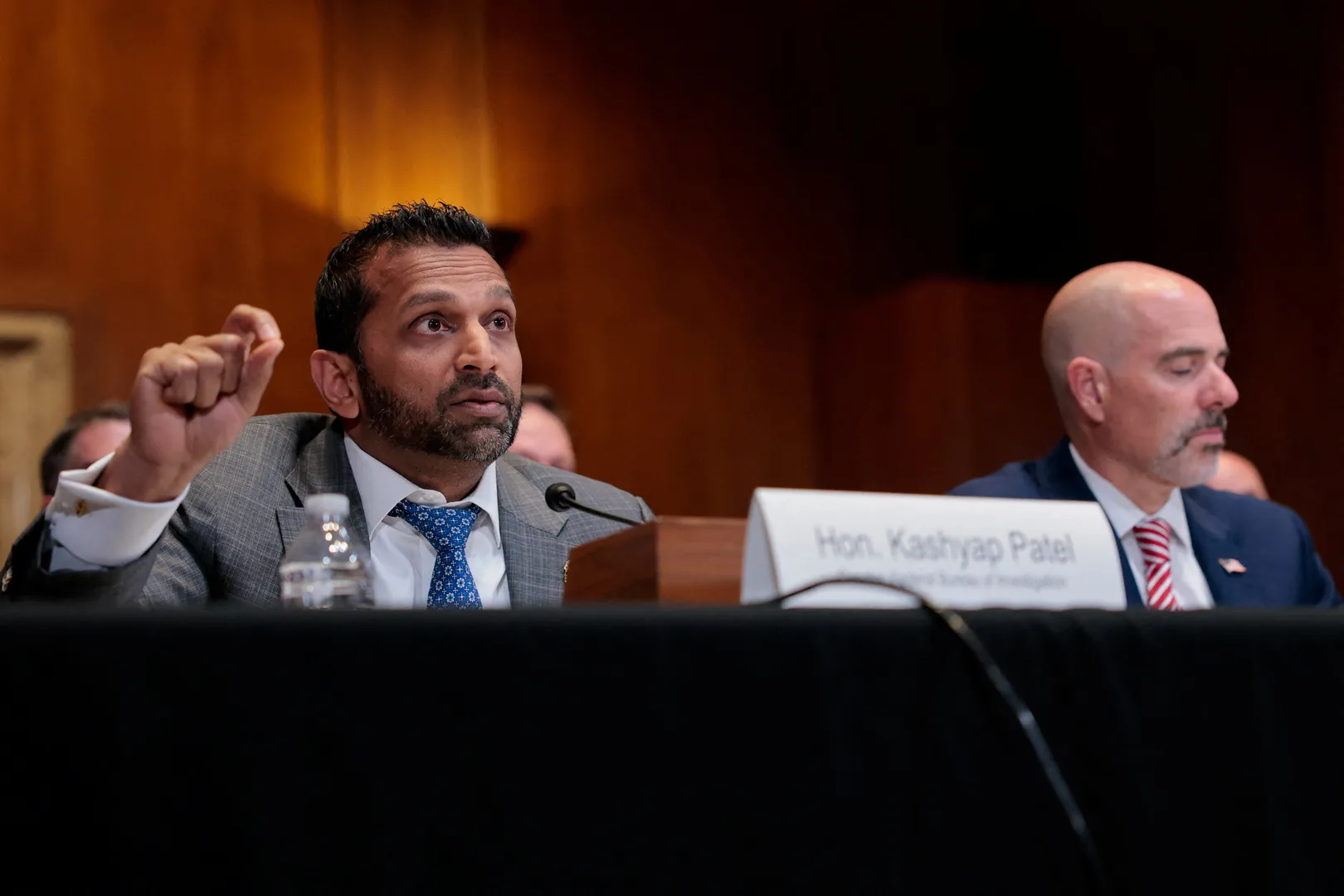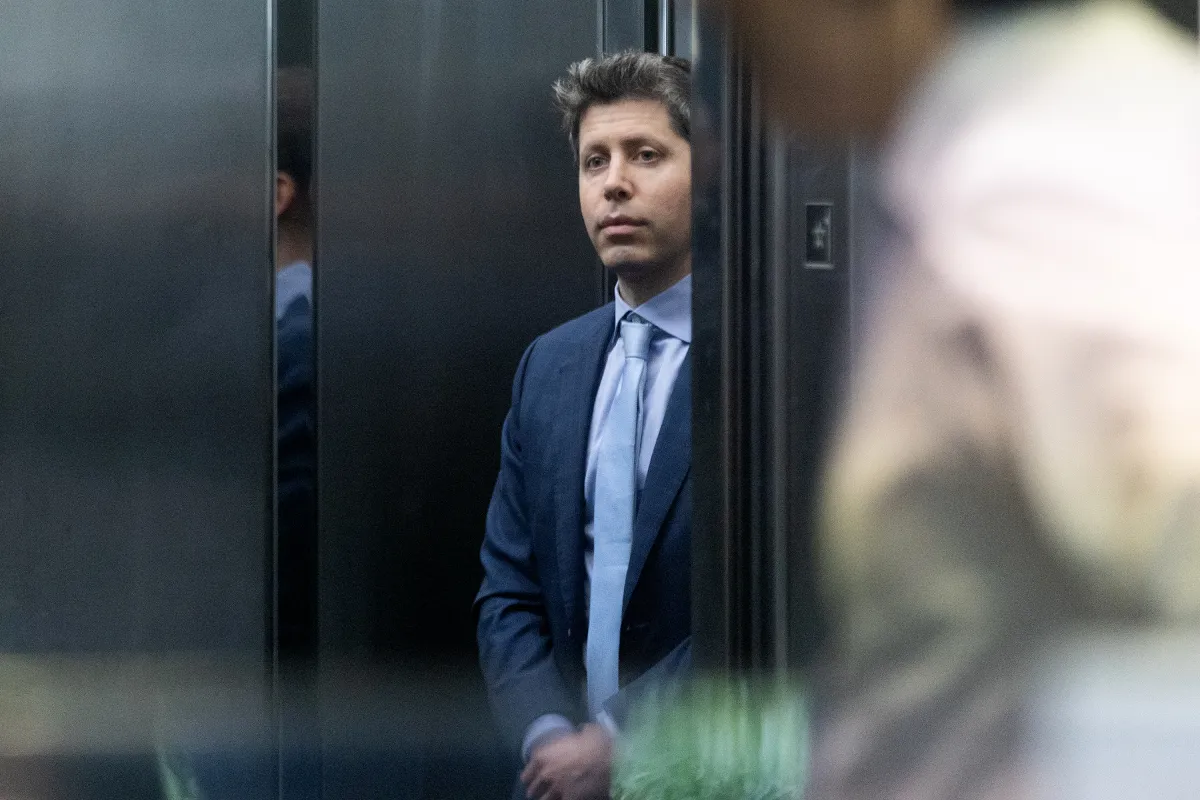

The high-stakes legal confrontation between Sam Altman and Elon Musk transcends personal animus, crystallizing a pivotal governance inflection point for artificial intelligence that carries profound implications for Middle East and North Africa capital allocators. At its core, the dispute interrogates the viability of the hybrid non-profit/for-profit model that has fueled OpenAI’s meteoric rise, a structure Gulf sovereign wealth funds and regional family offices are scrutinizing as they architect their own multi-decade technology sovereignty strategies. The outcome will directly inform how these entities balance philanthropic mandates with the commercial realities of scaling foundational AI models, a calculus central to Saudi Arabia’s Vision 2030 technology portfolio and the Abu Dhabi Investment Authority’s (ADIA) deep-tech allocations.
Altman’s defense—that the nonprofit’s $200 billion asset base represents a historic vehicle for global public-good AI research—mirrors the narrative employed by Gulf sovereigns to justify massive, patient capital deployments into frontier technologies. However, Musk’s allegation that the nonprofit’s operational dormancy until 2025 signifies a “charitable capture” resonates with a key concern among MENA investors: whether governance frameworks designed for traditional asset management can effectively steward capital in a winner-take-all AI race. The testimony revealing that equity conversion challenges stalled the foundation’s activity underscores the liquidity and capital deployment complexities that mega-funds like the Public Investment Fund (PIF) must solve to maintain strategic optionality in fast-moving sectors.
For the region’s venture capital ecosystem, the case validates a bifurcation in AI investment theses. First, it reinforces the premium on startups with clear, defensible pathways to regulatory capture or national security partnerships—precisely the domain where UAE’s G42 and Saudi’s NEOM are competing. Second, it signals that capital will increasingly flow to ventures that can navigate the tension between open research and proprietary moat-building, a duality MENA investors are well-positioned to arbitrage given their experience in balancing global market access with localized control. The dramatic recounting of Musk’s alleged “chainsaw” management culture serves as a cautionary tale for regional tech hubs; talent retention in AI research labs, as Altman emphasized, hinges on mission alignment over pure financial engineering—a lesson for PIF’s The Garage and similar incubators.
Infrastructure implications are equally stark. The Microsoft partnership, described by Altman as a “good vibes meeting” in contrast to Musk’s adversarial style, exemplifies the compute-access deals that underpin all leading AI labs. For the MENA region, this crystallizes the urgency of securing sovereign cloud and semiconductor partnerships—whether through AWS’s Saudi data centers, Oracle’s UAE expansions, or direct investments in chip fabrication. The trial’s exposure of internal safety debates also foreshadows the regulatory sandboxes and AI oversight bodies that GCC central banks and data authorities are now formalizing. Ultimately, the case is not about past governance failures but a live stress-test for the capital structures and control mechanisms that will determine which global powers—and which Middle Eastern sovereigns—capture the asymmetric gains of the generative AI era.