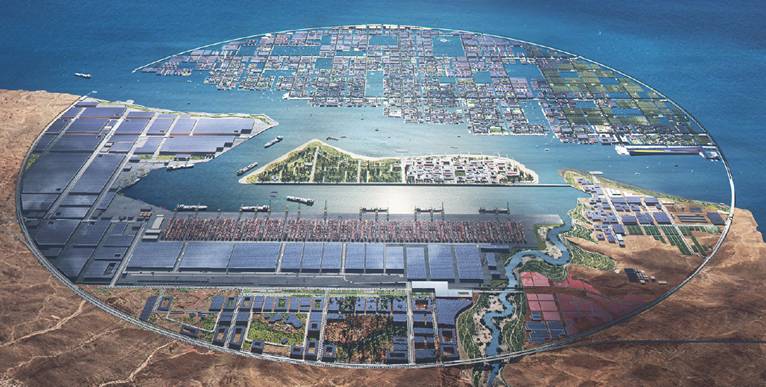

The future trajectory of Saudi Arabia’s ambitious Neom project is facing renewed scrutiny, with indications that critical infrastructure development will experience delays, despite confirmation from the Public Investment Fund (PIF) governor, Yasir Al-Rumayyan, that no projects have been cancelled. Neom, a cornerstone of the Kingdom’s Vision 2030 diversification strategy, represents a substantial $500 billion investment intended to reshape the nation’s economic landscape beyond its reliance on oil. While the project has been plagued by internal restructuring and design revisions, the long-term vision remains intact. The immediate economic impact of these potential setbacks will be felt in the projected timelines for Expo 2030 and the 2034 World Cup, both of which rely on a degree of project completion within specified parameters.
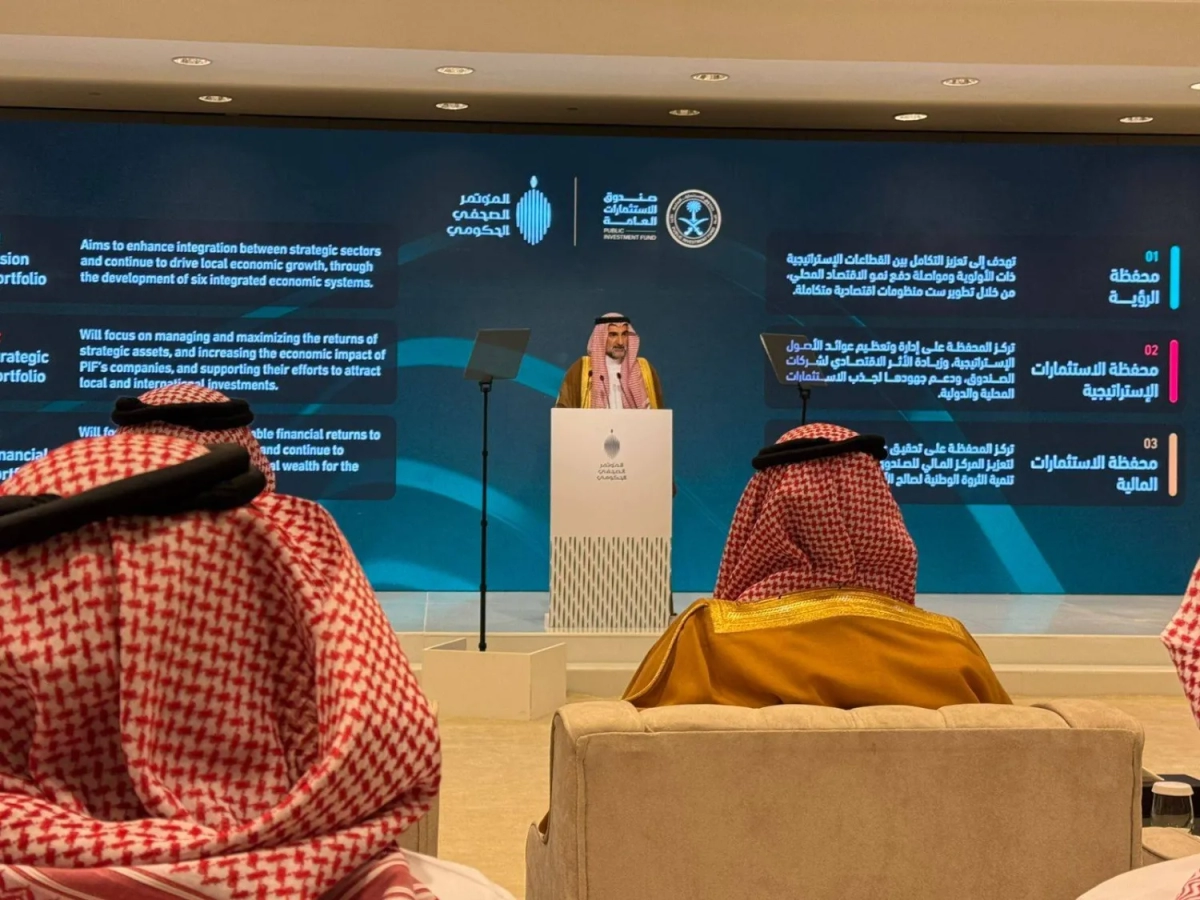
The strategic realignment of PIF’s investment portfolio, announced in 2026-2030, signals a shift towards enhanced returns and potentially a reassessment of risk allocation. The focus on maximizing returns necessitates careful consideration of infrastructure investments, especially in light of recent geopolitical instability, particularly the impact of the conflict in the Middle East. The disruption to regional supply chains and energy infrastructure following the Iranian barrage highlights the vulnerability of critical assets and potentially shifts sovereign capital away from projects perceived as overly exposed. This situation underscores the need for robust contingency planning and diversification of investment strategies, impacting not only Saudi Arabia but also regional venture capital flows, which are increasingly focused on resilience and security.
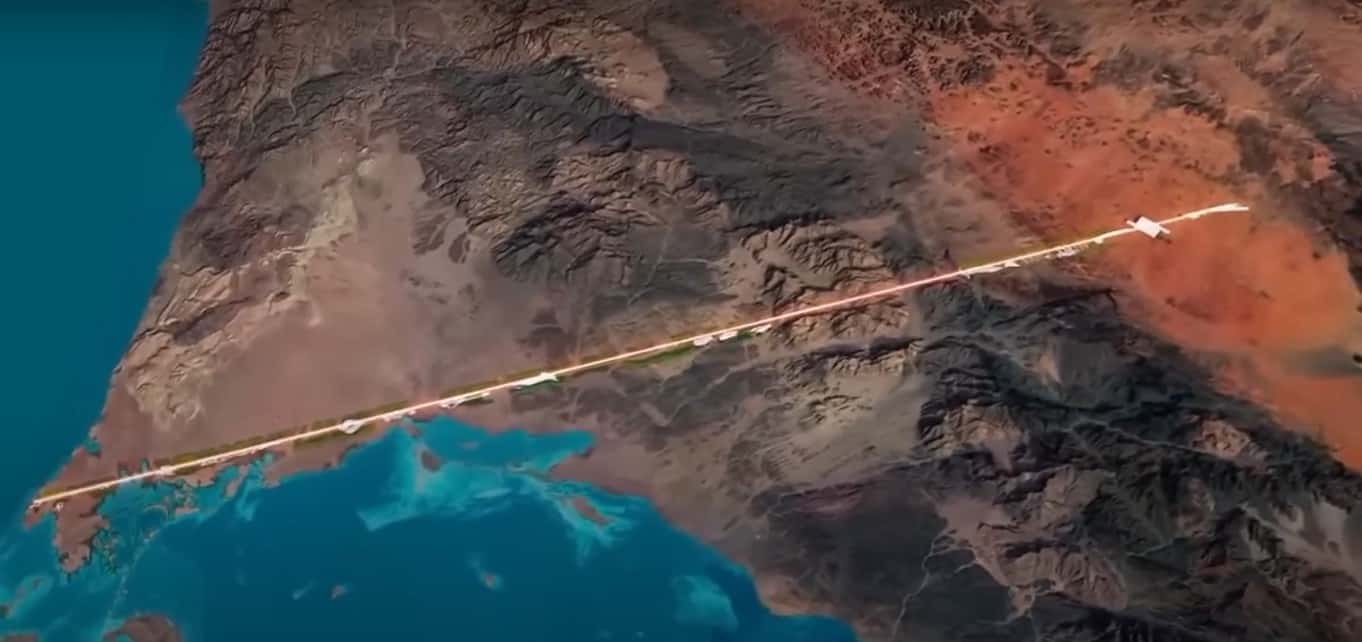
The concept of The Line, a high-speed linear city envisioned as a key component of Neom, is now being contextualized within the overarching framework of Vision 2030. Al-Rumayyan’s statement that The Line is “good to have, but it’s not a must have” reflects a pragmatic assessment of the project’s strategic importance. The timeline for its completion by 2030 may need to be reevaluated, allowing for greater flexibility in the allocation of resources and the pursuit of other development initiatives. The implications for regional infrastructure development are significant, potentially leading to a prioritization of projects with demonstrable short-term economic returns and a greater focus on defense and security infrastructure.
Ultimately, the success of Neom and the broader Vision 2030 initiative hinges on the ability to navigate geopolitical uncertainties, optimize capital deployment, and adapt to evolving economic conditions. The current landscape necessitates a heightened level of fiscal prudence and a shift towards ventures with a clearer pathway to profitability. PIF’s strategic repositioning, while presenting opportunities for growth, also introduces a degree of risk management that will profoundly influence the future direction of infrastructure spending and the flow of investment throughout the Middle East and North Africa. Further monitoring of economic indicators and geopolitical developments will be crucial to assessing the long-term viability of Neom and its contribution to the region’s post-oil economic transformation.