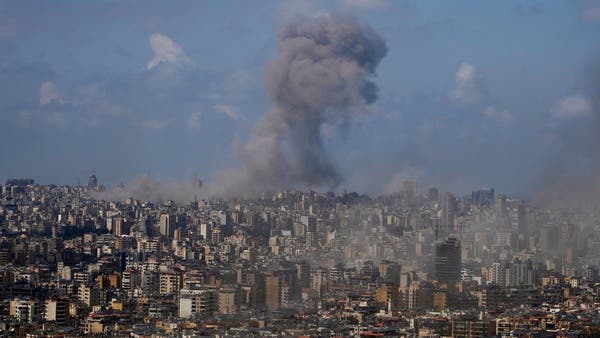

PrimeMinister Benjamin Netanyahu’s directive to initiate direct negotiations with Lebanon reflects a calculated shift from military escalation to diplomatic engagement. From a sovereign‑capital perspective, Lebanese authorities are signaling a willingness to re‑open state‑level dialogues, thereby reducing sovereign risk premiums that have spiked amid recent hostilities. International lenders are likely to reassess credit default swap spreads for Lebanon, potentially easing financing constraints on infrastructure projects that remain critical for the country’s reconstruction agenda.
Venture capital flows into the broader Middle East and North Africa (MENA) region are expected to absorb modest tremors rather than experience systemic disruption. However, investors in deep‑tech and infrastructure‑focused funds are incorporating heightened geopolitical risk margins into valuation models, particularly for startups operating near the Israel‑Lebanon border. The prospect of a formal ceasefire could unlock dormant capital pools tied to reconstruction consortia, presenting opportunistic entry points for limited partners seeking yield in a stabilized market.
The emerging diplomatic track, mediated by Washington, raises the probability of coordinated infrastructure investments across the Levant. Sovereign wealth funds from Gulf Cooperation Council states have indicated preparatory assessments of joint projects—such as cross‑border energy grids and logistics corridors—that would benefit from a durable security arrangement between Israel and Lebanon. Such initiatives could catalyze downstream financing mechanisms, including multilateral guarantees and blended finance vehicles designed to attract private capital.
From an institutional standpoint, the ability of the United States to host subsequent talks underscores its role as the primary guarantor of any settlement. This external oversight is likely to translate into more predictable market conditions for both sovereign issuers and private‑sector participants, thereby dampening volatility in regional credit markets. Nevertheless, the persistence of Hezbollah’s opposition to direct negotiations introduces a strategic uncertainty that will continue to shape risk‑adjusted returns across MENA‑based asset classes.