
NVision’s $55 million Series B round, which brings its cumulative funding to $120 million, underscores a growing convergence of strategic corporate capital, sovereign‑backed venture funds, and specialized deep‑tech investors in the quantum‑sensing space. Abbott’s role as the sole strategic diagnostics investor signals a clear pathway for clinical integration, while the European Investment Bank’s $17 million venture loan adds a layer of de‑risking that is likely to attract co‑investment from MENA sovereign wealth funds—such as Saudi Arabia’s PIF, Abu Dhabi’s Mubadala, and Qatar’s Investment Authority—who are actively earmarking capital for advanced medical technologies under their national diversification agendas.
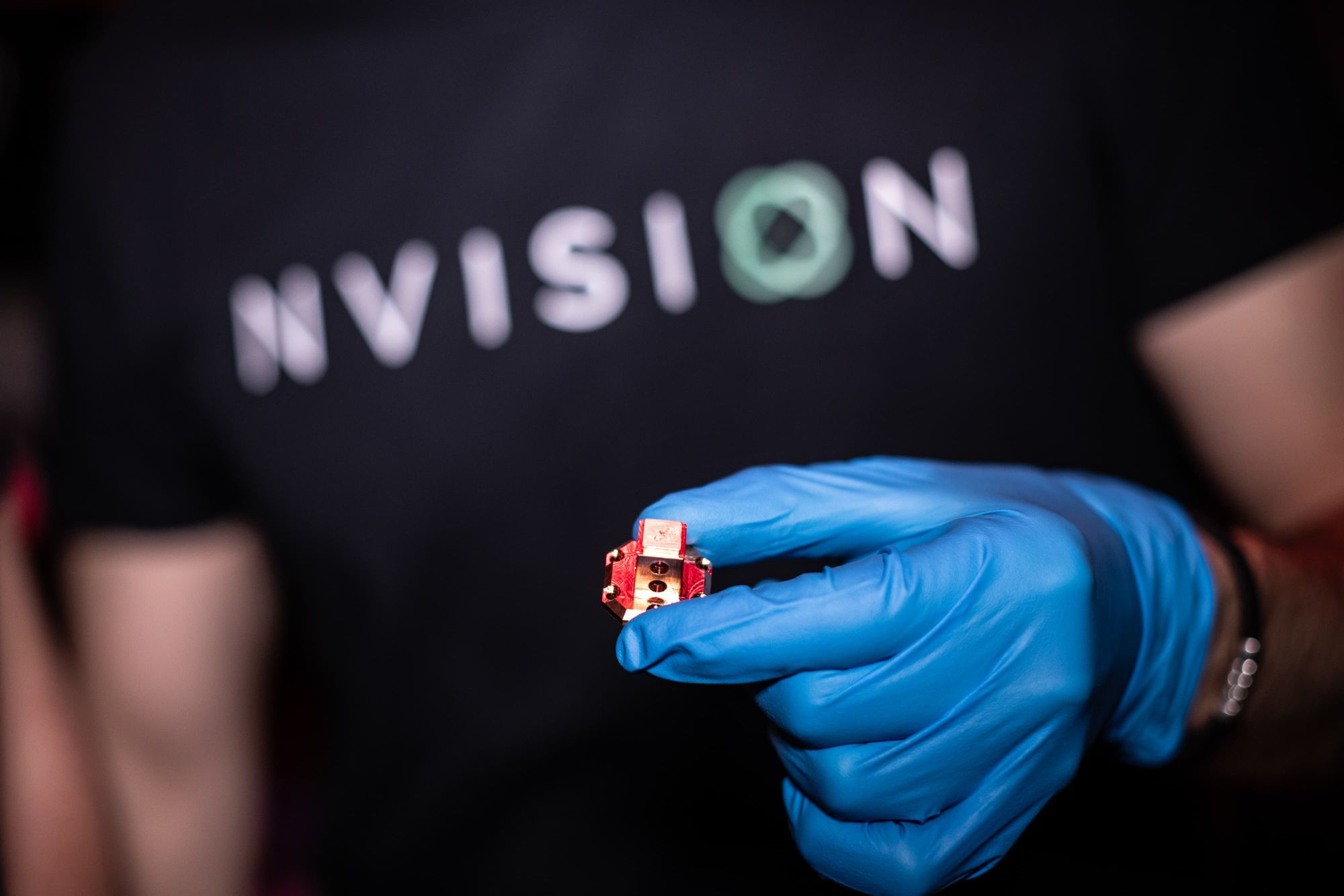
The company’s pivot from quantum‑enhanced sensing to a full‑stack “compute and validate” workflow, anchored by its newly unveiled Photonic Integrated Quantum Circuits (PIQC) platform, positions NVision to address a critical bottleneck in drug discovery: the ability to simulate complex biological systems and rapidly validate candidates via high‑sensitivity MRI. For MENA healthcare systems, which are investing heavily in precision‑medicine initiatives—Saudi Arabia’s Genome Program, the UAE’s National Strategy for AI in Health, and Egypt’s expanding oncology networks—this dual‑mode capability could shorten clinical trial cycles and reduce reliance on costly overseas research facilities, thereby creating a tangible business case for local deployment of POLARIS systems and future quantum‑computing nodes.
From an infrastructure standpoint, NVision’s plan to install POLARIS units at twenty global research and clinical centers by end‑2026 offers a template for MENA hubs to become early adopters. Partnerships with leading academic medical centers in Europe—Memorial Sloan Kettering, Cambridge, and Munich—provide a knowledge‑transfer conduit that could be leveraged to establish regional quantum‑sensing labs affiliated with institutions such as King Abdullah University of Science and Technology, Khalifa University, and the American University in Cairo. Moreover, the EIB’s participation highlights a precedent for supranational lenders to support deep‑tech ventures in the region, potentially unlocking blended finance mechanisms that pair sovereign guarantees with venture‑capital stakes to accelerate the build‑out of quantum‑ready hospitals, data centres, and talent pipelines across the Middle East and North Africa.