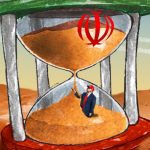

The escalating tensions surrounding the Strait of Hormuz following the failure of recent US-Iran peace talks represent a significant inflection point for the Middle East’s financial and technological landscape. The imminent US naval blockade, slated to commence on Monday, poses a direct threat to the region’s vital energy infrastructure and presents substantial disruptions to global oil markets. This event underscores the critical need for robust sovereign capital strategies and proactive engagement by regional nations to mitigate potential economic fallout.
The immediate business impact will be felt across multiple sectors. Oil and gas companies heavily reliant on transit through the Strait will face operational uncertainties and potential supply chain bottlenecks. This could trigger price volatility and necessitate significant adjustments in investment strategies. Furthermore, the blockade will likely impact maritime trade routes, potentially accelerating the adoption of alternative shipping lanes and spurring innovation in port infrastructure and logistics. Sovereign wealth funds in the region, already navigating complex geopolitical risks, will need to reassess their exposure to energy-dependent assets and consider diversifying portfolios to accommodate potential market disruptions. The development of regional infrastructure capable of handling alternative trade flows – including investments in ports and logistics hubs – will become paramount for long-term resilience.
Beyond immediate operational concerns, the situation highlights the crucial role of venture capital in navigating this evolving environment. Regional tech firms specializing in maritime logistics, alternative energy solutions, and cybersecurity will likely see increased investor interest as they position themselves to capitalize on the changing landscape. The focus will shift towards companies offering solutions for enhanced supply chain security, digital transformation of port operations, and investment in environmentally sustainable alternatives. Moreover, the geopolitical uncertainty could spur increased investment in defense and security technologies within the region, further fueling growth in this sector. The ability of regional businesses to adapt and innovate will be a key determinant of their success in the post-blockade environment.
The long-term implications extend to regional infrastructure development and strategic partnerships. Diversifying energy sources and investing in alternative transportation networks will be essential for mitigating future risks. Collaborative efforts among regional states, particularly concerning maritime security and energy cooperation, will be crucial. The situation also emphasizes the importance of fostering strong relationships with major global players to ensure access to financing and technological expertise. The Strait of Hormuz crisis serves as a stark reminder of the interconnectedness of the global economy and the vulnerability of the Middle East’s prosperity to geopolitical instability. Successfully navigating this period will require a coordinated approach encompassing financial prudence, technological innovation, and strategic regional cooperation.