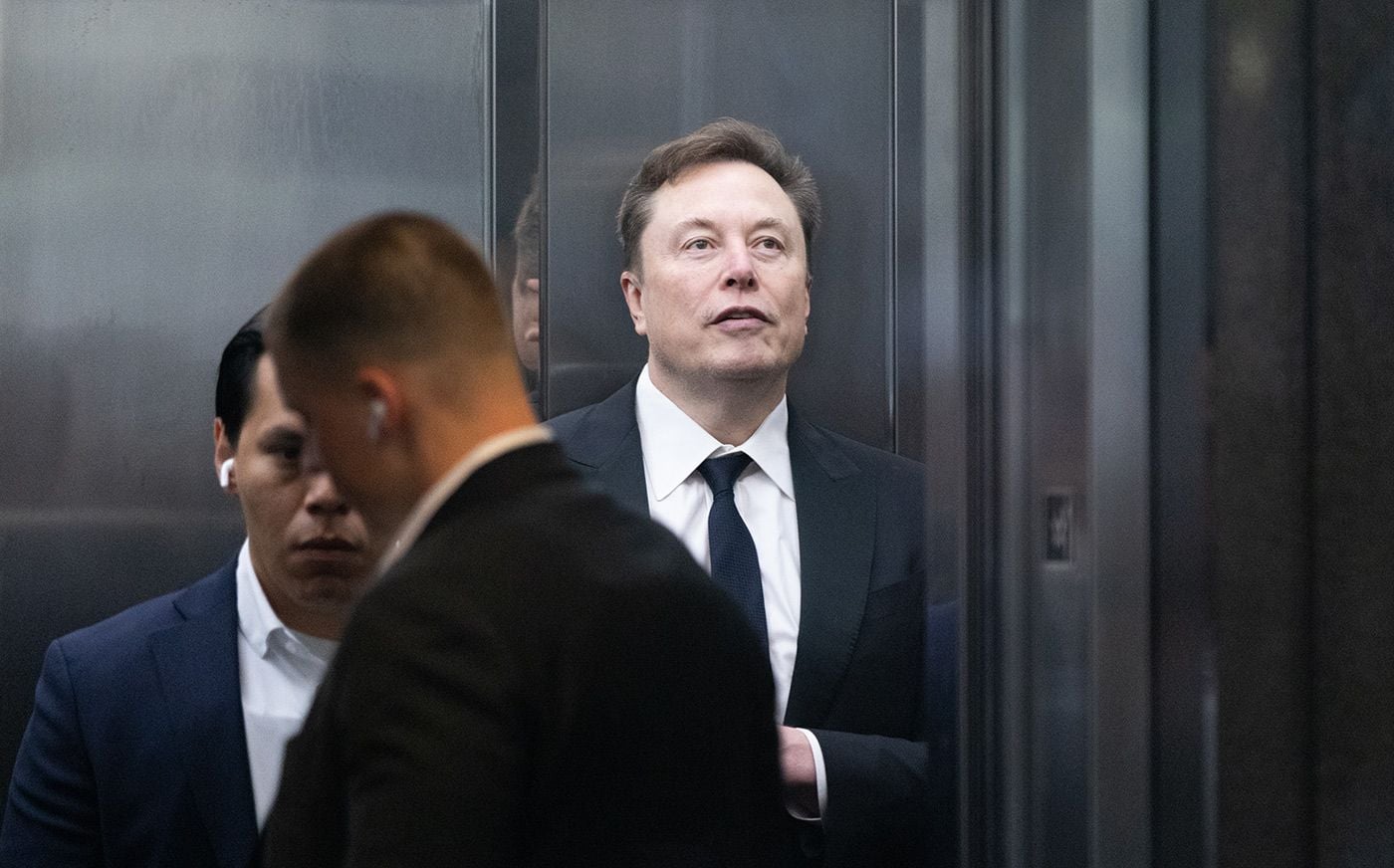

The protracted legal battle between Elon Musk and OpenAI is rapidly evolving beyond a simple dispute over intellectual property, presenting significant implications for sovereign capital strategies and technological development across the Middle East and North Africa. Musk’s lawsuit, alleging breach of OpenAI’s original non-profit mission and citing evidence of xAI’s utilization of OpenAI’s technology, underscores a growing concern regarding the governance and long-term vision of leading AI firms – a factor increasingly scrutinized by regional investors. The potential for substantial damages – estimated at hundreds of millions of dollars – highlights the vulnerability of early-stage investments and the need for robust contractual safeguards, particularly as sovereign wealth funds (SWFs) continue to allocate significant capital to burgeoning tech sectors.
The trial’s revelations regarding Musk’s communications with Meta CEO Mark Zuckerberg, including discussions about leveraging OpenAI intellectual property, expose a complex web of strategic maneuvering within the tech landscape. This dynamic is particularly relevant to the MENA region, where several nations are actively pursuing AI adoption and localization initiatives. The potential for cross-company collaboration, even if initially opportunistic, raises questions about the ethical considerations of data sharing and the potential for geopolitical implications. Furthermore, the case serves as a cautionary tale for regional investors considering investments in nascent AI ventures, demanding a more rigorous assessment of corporate governance and alignment with stated mission objectives. The involvement of Stuart Russell, a leading AI safety expert, as a potential witness signals a broadening of the legal arguments beyond purely commercial disputes, potentially encompassing concerns about responsible AI development – a topic gaining increasing prominence in policy discussions across the region.
From an infrastructural perspective, the trial’s focus on xAI’s reliance on OpenAI’s technology has significant ramifications for the development of localized AI capabilities in the Middle East. The admitted “distillation” of Grok’s model raises questions about the pace and direction of AI innovation within the region. Many MENA nations are investing heavily in building their own AI ecosystems, often prioritizing data sovereignty and localized solutions. The exposure of this dependency on OpenAI’s technology could potentially slow the development of independent AI capabilities and necessitate a re-evaluation of existing investment strategies. This could lead to a renewed push for greater investment in local AI talent, research institutions, and data infrastructure – a strategic imperative for nations seeking to achieve technological independence.
Finally, the legal proceedings are likely to accelerate the trend of increased scrutiny of venture capital activity within the AI sector. The case’s emphasis on the original terms of service and the potential for misuse of intellectual property will undoubtedly lead to more stringent due diligence processes for investors. SWFs and private equity firms operating in the MENA region will need to prioritize contractual clarity, robust monitoring mechanisms, and a deeper understanding of the underlying technology. The outcome of this lawsuit will set a precedent for future AI investments, shaping the regulatory landscape and influencing the strategic direction of technological development across the region for years to come.