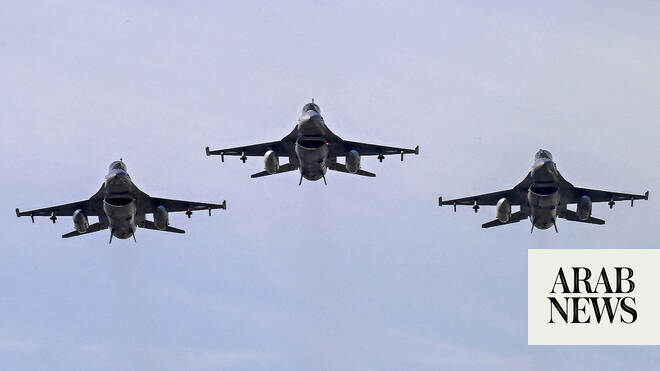

The recent deploymentof a Pakistani air contingent to King Abdulaziz Air Base in Saudi Arabia’s Eastern Province underscores a deepening strategic convergence that carries material implications for sovereign fiscal planning across the Gulf.
From a capital‑allocation perspective, the mutual defence arrangement amplifies the predictability of security expenditures, enabling Saudi Arabia to channel greater sovereign wealth into diversification initiatives such as NEOM and renewable‑energy projects without compromising defence readiness. This security buffer is likely to bolster investor confidence, prompting sovereign‑fund managers to reconsider allocations toward high‑growth technology sectors in the Kingdom.
For venture‑capital ecosystems, the strengthened Pakistan‑Saudi nexus introduces a new conduit for cross‑border fund flows, especially in aerospace, cybersecurity, and advanced logistics. Institutional investors in the Middle East and North Africa (MENA) can leverage this partnership to source niche startups that benefit from joint‑R&D programmes and co‑funded pilots tied to the bilateral defence framework.
Moreover, the operational readiness enhancements project an image of regional stability that is critical for infrastructure investors. As Gulf states accelerate mega‑projects—ranging from Red Sea ports to trans‑desert rail corridors—the assurance of coordinated security postures mitigates political risk premiums, facilitating cheaper financing and accelerating the rollout of critical logistics and energy assets across the broader MENA corridor.