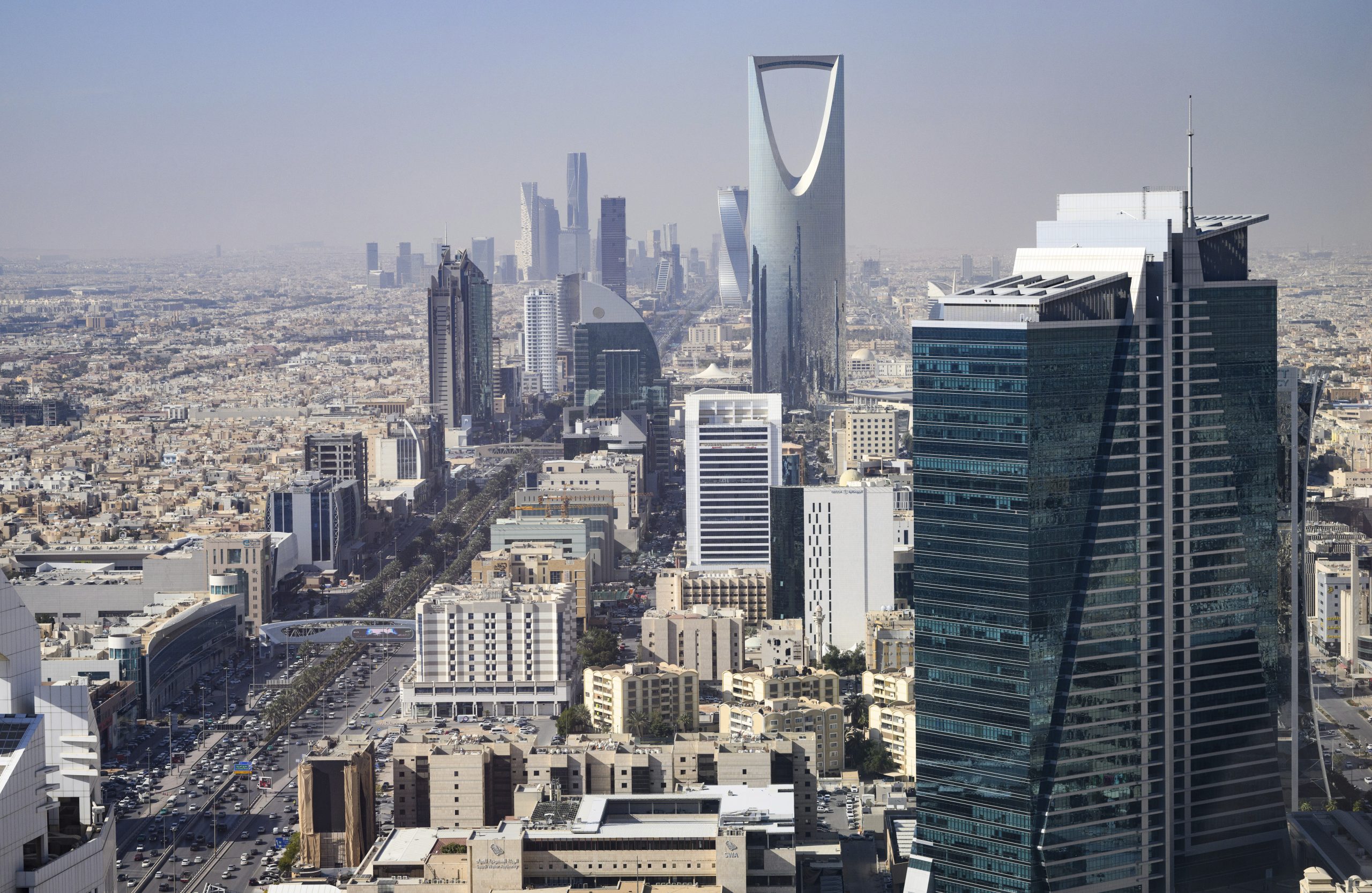

The escalation of violence in Palestinian territories, exemplified by the tragic incident involving Nayef Samaro, underscores a growing fragility in the region’s socioeconomic fabric. Such events amplify risks to sovereign capital flows, as Middle Eastern governments confront heightened geopolitical volatility that complicates investment climates. The repeated incursions into densely populated areas—often occurring amid complex security dynamics—erode investor confidence, diverting sovereign wealth priorities toward defense expenditures and emergency response mechanisms. This reallocation of resources impedes long-term infrastructure projects and economic reform agendas, particularly in areas reliant on foreign direct investment. For the region’s financial centers, which have historically attracted capital through stability, the growing specter of conflict-driven instability may catalyze a flight to safer assets, thereby constraining liquidity for domestic lending and public sector modernization initiatives.
The psychological and operational fallout of such incidents reverberates deeply within venture capital ecosystems across the Middle East and North Africa. Investors increasingly prioritize risk mitigation, and the recurring specter of violence in conflict zones like northern Palestine creates an adverse environment for startups and scaling businesses. Venture capital firms, particularly those with concentrated portfolios in fintech, agritech, or mobility sectors, may reassess their exposure, favoring geographies less prone to geopolitical shocks. This risk-averse recalibration could stifle innovation in regions where socioeconomic challenges traditionally fueled entrepreneurial activity. Moreover, the perceived reluctance of sovereign entities to stabilize conflict-affected areas may delay public-private partnerships critical for funding early-stage ventures, further entrenching a cycle of underinvestment in technological and human capital development.
The broader implications for regional infrastructure development cannot be overstated. Persistent conflict and instability disrupt supply chains, labor markets, and the financing of megaprojects essential for economic diversification. Governments hesitant to allocate sovereign resources to infrastructure in volatile zones face pressure to address immediate security and humanitarian needs, sidelining strategic investments in digital grids, ports, or green energy initiatives. For technology-driven sectors, this creates a dual burden: not only must they navigate the logistical and regulatory challenges of building resilient infrastructure, but they also contend with a fragmented policy landscape that discourages large-scale technological deployment. The challenge lies in reconciling the imperative for development with the unpredictability of geopolitical events, a balance that will shape the region’s ability to harness technology as an economic catalyst in the coming decade.