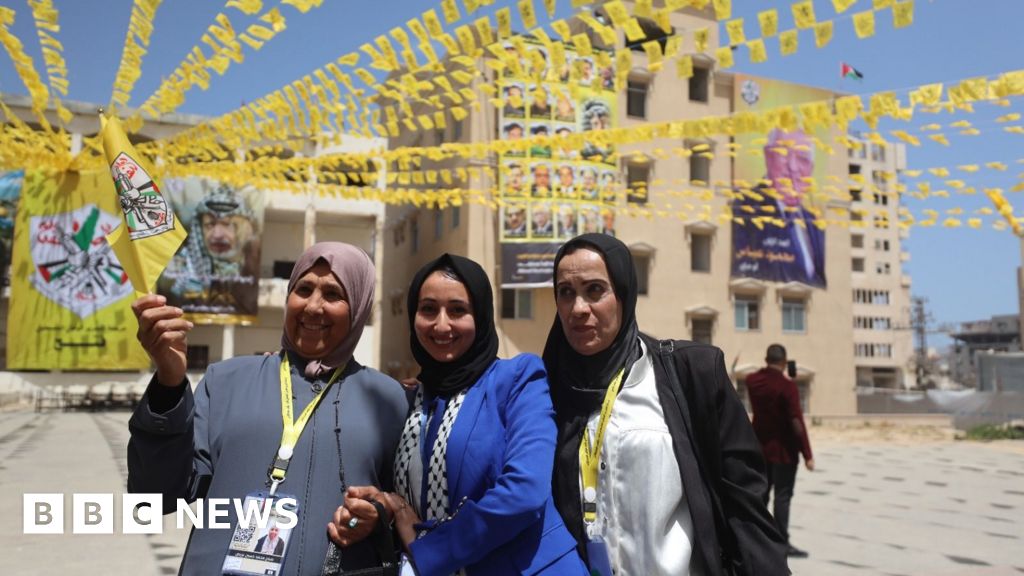

The ongoing governance challenges within Fatah pose significant implications for regional economic integration and foreign direct investment flows across the Middle East and North Africa. With Palestinian territories serving as a critical node for cross-border commerce and technology transfer, the perceived disconnect between the party leadership and grassroots economic priorities threatens to undermine multimillion-dollar infrastructure initiatives backed by Gulf sovereign wealth funds and international development banks.
Sovereign capital from regional investors, including prominent Gulf funds managing over $800 billion in assets, has increasingly prioritized staged economic development projects in Palestinian territories as part of broader MENA expansion strategies. However, political instability and governance inefficiencies are creating additional risk premiums that make these markets less attractive compared to more stable jurisdictions, potentially redirecting venture capital flows toward Dubai, Riyadh, and Tel Aviv innovation hubs.
The technology sector, projected to reach $35 billion in MENA investments by 2025, faces particular vulnerability as Palestinian startups struggle with limited access to regional funding rounds and partnership opportunities. Regional venture capital firms are reassessing exposure to Palestinian markets, citing regulatory uncertainty and infrastructure bottlenecks that extend beyond security concerns to encompass basic telecommunications and power systems essential for digital economy growth.
This political-economic dynamic ultimately affects the broader regional integration agenda, where infrastructure corridors linking Palestinian territories to Gulf shipping routes and Levantine technology clusters require stabilizing governance frameworks. Without addressing these fundamental leadership credibility issues, regional capital allocators will likely continue favoring more predictable jurisdictions, constraining the emergence of a cohesive Palestinian economic zone that has been envisioned as a bridge between European and Asian markets.