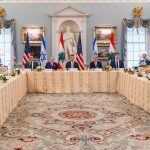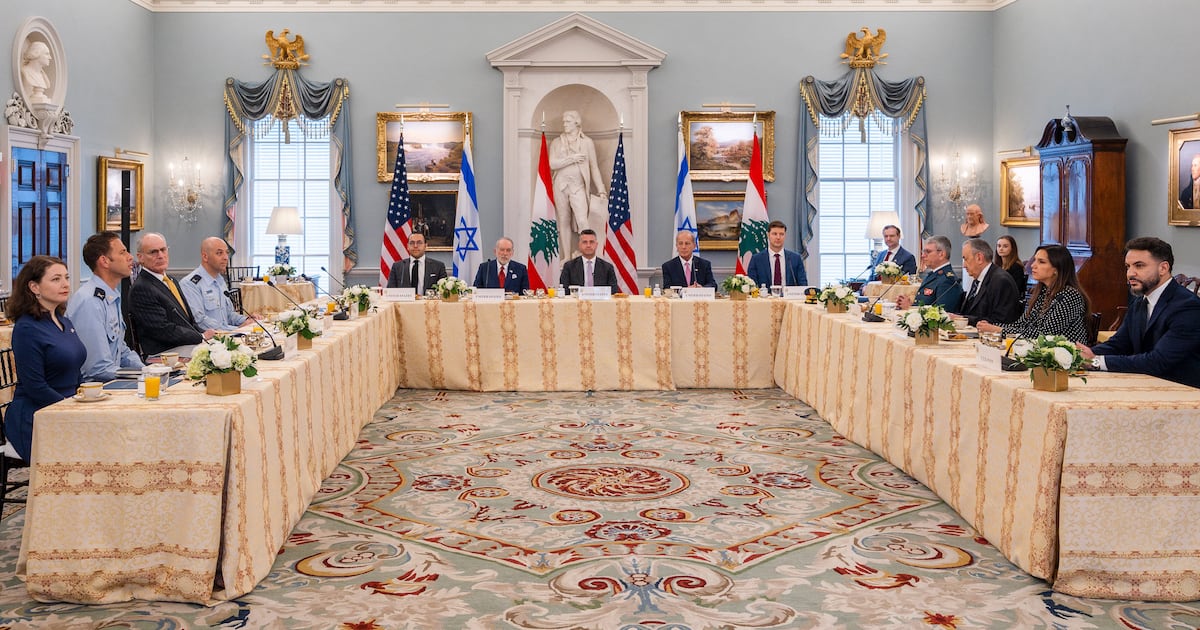

Israel and Lebanon have agreed to a 45‑day extension of the ceasefire, a move that buys critical breathing space for both economies and signals a tacit acknowledgment that durable peace will require more than a temporary lull in hostilities. The United States, through its security track slated to launch on May 29, is positioning itself as the guarantor of a phased, verifiable implementation mechanism, thereby reinforcing the credibility of a political settlement that could unlock the region’s long‑dormant sovereign capital reserves. For Saudi‑backed sovereign wealth funds and UAE‑based investment authorities, the extension reduces the immediate risk premium on Lebanese sovereign bonds and creates a window to re‑allocate capital toward reconstruction‑oriented assets.
The diplomatic momentum is already reverberating through the business community, as indicated by the State Department’s description of the talks as “highly productive.” The anticipated security framework is expected to restore confidence among sovereign lenders and multilateral development banks, which have been wary of exposing financing to a volatile security environment. Consequently, sovereign capital managers are likely to accelerate the deployment of dedicated reconstruction funds, targeting infrastructure projects that were previously deferred—ranging from electricity grid upgrades to cross‑border trade corridors—thereby generating a multiplier effect on regional GDP and fiscal balances.
Venture capital and private equity players view the ceasefire extension as a stabilising backdrop for the next wave of high‑growth startups, particularly in fintech, agri‑tech, and renewable energy, sectors that have struggled to attract risk‑adjusted capital amid heightened security concerns. Sovereign wealth funds, which have increasingly allocated capital to regional VC vehicles, are expected to earmark additional commitments, leveraging the security track’s promise of a predictable operating environment to negotiate more favorable fund terms and co‑investment structures.
From an infrastructure perspective, the extended truce unlocks the feasibility of large‑scale, cross‑border projects that could reshape the MENA logistics and energy nexus. The anticipated US‑facilitated security mechanisms are likely to pave the way for the reactivation of maritime and rail links between the Levant and the Gulf, while sovereign capital pools may be deployed to underwrite the financing gaps left by reduced public spending on defense. If the ceasefire translates into a sustained political settlement, the resulting stability could attract sizable private‑sector investment, accelerating the region’s integration into global supply chains and reinforcing its emergence as a hub for resilient, capital‑intensive infrastructure development.