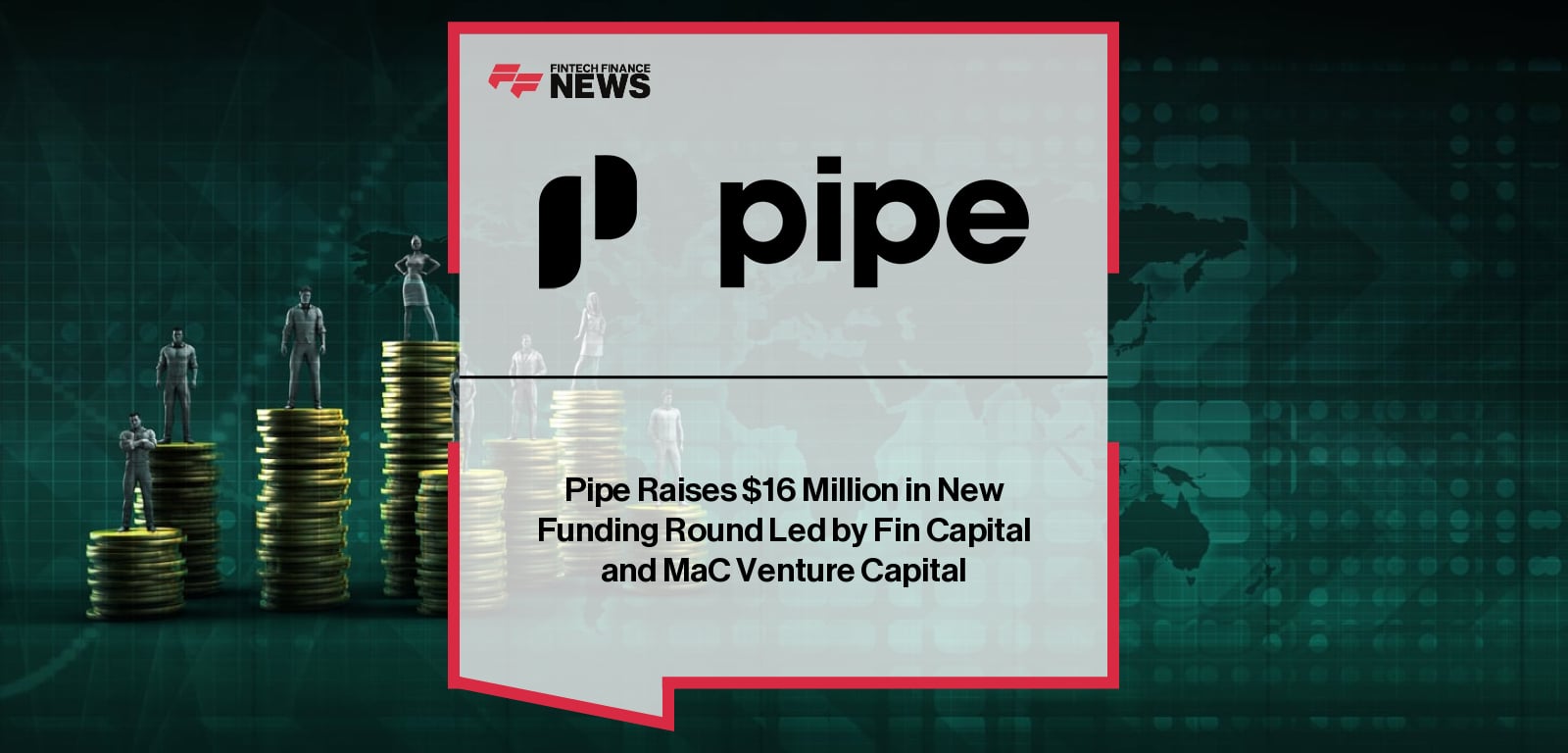

The recent $16 million funding round for Pipe, a fintech specializing in embedded lending for small and mid-sized businesses (SMBs), represents a significant validation of a fundamental shift occurring within the Middle East and North Africa’s financial landscape. This investment, led by Fin Capital and MaC Venture Capital, underscores a growing appetite among regional sovereign wealth funds and venture capital firms for platforms demonstrating operational discipline and a clear path to profitability – a stark contrast to the hype-driven investments of the previous period. The expansion of Pipe’s capital warehouse facility with Victory Park Capital to $225 million further solidifies this trend, signaling a willingness to back established, scalable solutions within the embedded finance sector.
The core impact of Pipe’s model extends beyond simple capital deployment. By integrating directly into platforms like GoCardless and Epos Now, the company bypasses traditional banking friction, leveraging verifiable business data to offer instant and contextual access to working capital. This directly challenges the entrenched position of legacy institutions within the MENA region, many of which lack the technological integration depth to compete effectively. Furthermore, the increasing proportion (currently 20%) of capital originating outside the United States, and the planned expansion of this footprint, highlights a strategic move to capitalize on the diverse economic opportunities across the broader MENA region – particularly in sectors like retail and hospitality where SMBs often face significant financing gaps.
Sovereign capital, increasingly active in regional technology investments, is poised to play a crucial role in accelerating this transformation. The demonstrated growth – nearly doubling revenue year-over-year in Q1 2026 – suggests a compelling investment thesis for funds like Mubadala, ADQ, and Saudi National Investment Fund, who are actively seeking to diversify their portfolios and foster innovation within the digital economy. However, the success of platforms like Pipe will depend on robust regional infrastructure. Continued investment in digital payment systems, data security protocols, and regulatory frameworks is paramount to unlocking the full potential of embedded finance and ensuring a level playing field for both established and emerging fintechs.
Ultimately, Pipe’s trajectory reflects a broader trend: the digitization of financial services and the rise of data-driven lending. The competitive response from incumbent processors – those possessing established merchant networks but lacking integrated financing capabilities – will be critical. The ability of these players to rapidly adopt similar embedded finance models will determine the pace of disruption. The long-term implications for the MENA region are substantial, promising increased access to capital for SMBs, greater financial inclusion, and a more dynamic and competitive business environment – provided that supporting infrastructure and regulatory clarity continue to evolve alongside technological advancements.