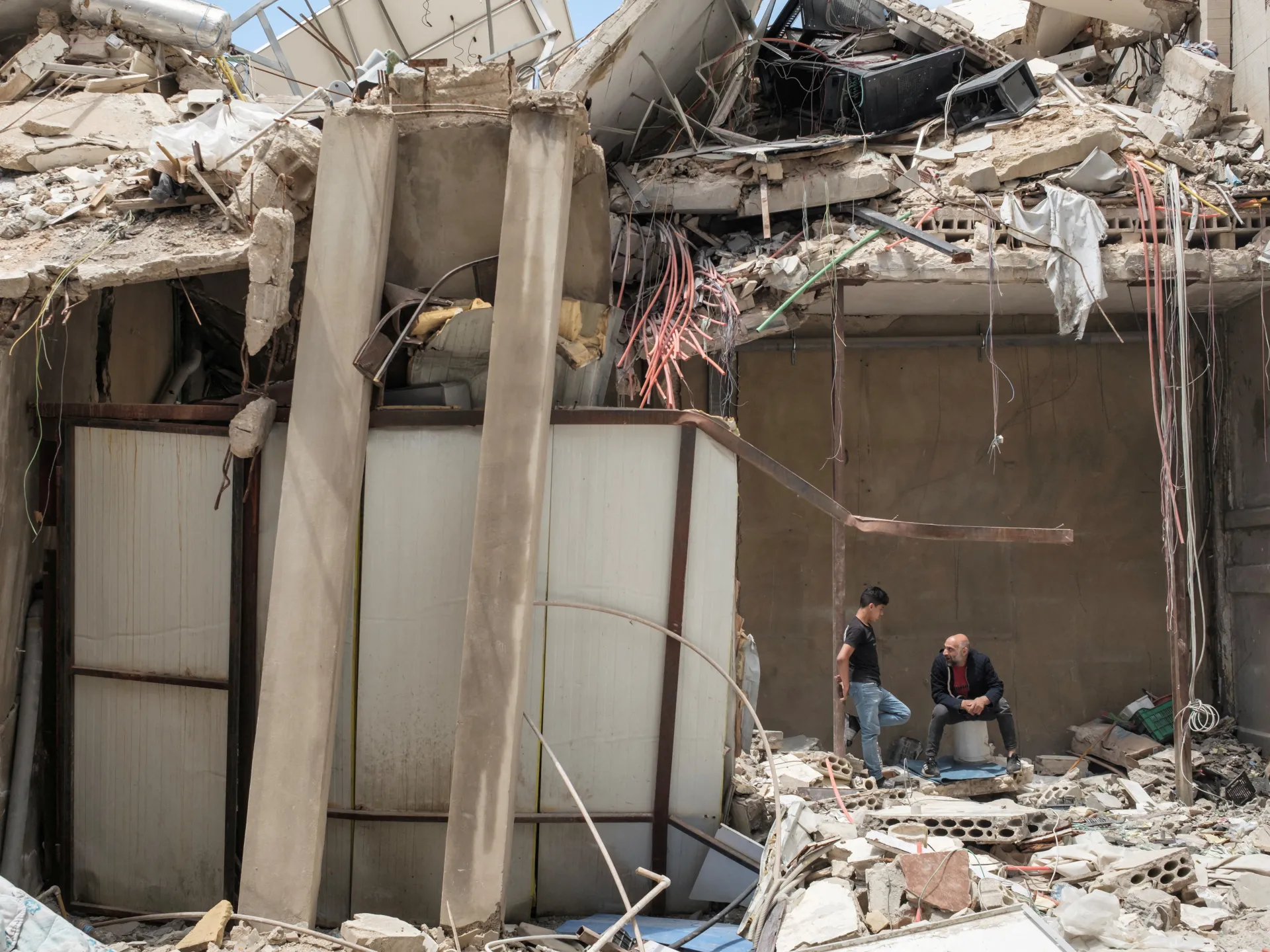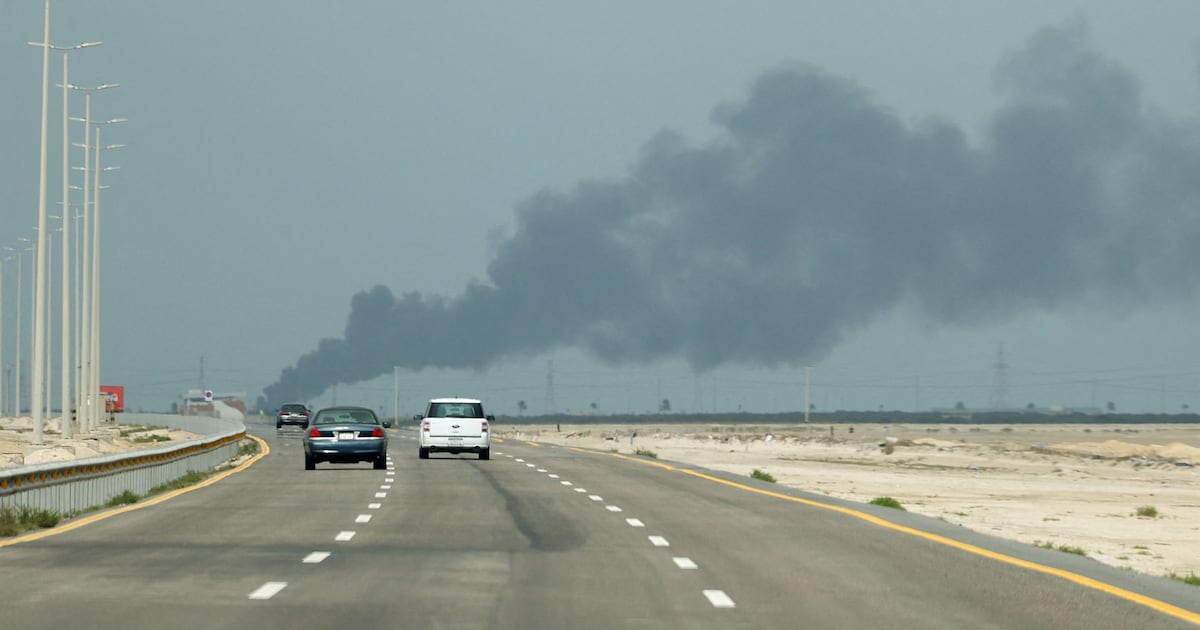

The cataclysmic targeting of Saudi Arabia’s energy infrastructure has unleashed a compounded crisis, with recent assaults on critical oil and gas facilities reducing daily production capacity by over 900,000 barrels. Marked reductions in output from Manifa, Khurais, and disruptions along the East-West Pipeline underscore systemic vulnerabilities in the kingdom’s hydrocarbon-dependent economy, amplifying price volatility that risks destabilizing global energy markets. Such attacks not only erode immediate supply security for key consumers in Asia and Europe but also threaten Saudi Arabia’s historical role as the de facto linchpin of OPEC+ stability. The convergence of logistical strain and heightened geopolitical risk has tangible implications for sovereign wealth fund allocations, as reduced oil revenues strain fiscal buffers critical to funding Vision 2030 diversification initiatives. For regional peers like Kuwait and the UAE, the spillover effects are equally dire, as heightened defense expenditures threaten already stretched public budgets, diverting capital from high-impact infrastructure and technology investments.
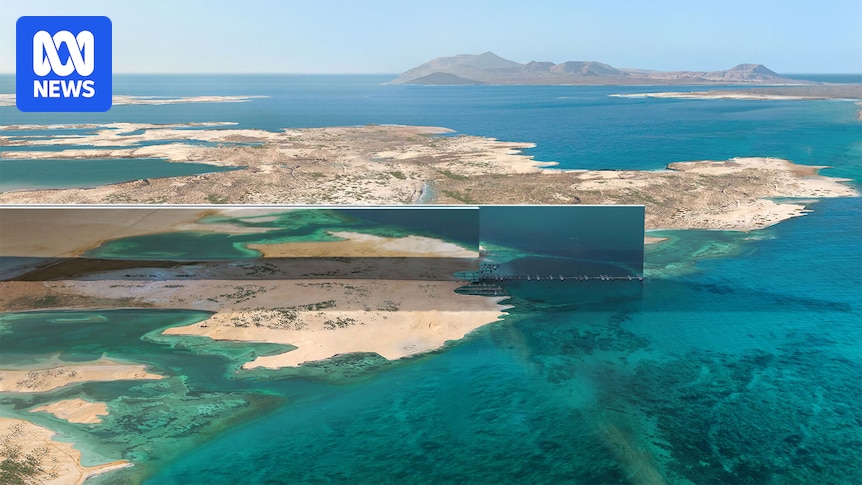
Sovereign capital markets face acute stress as the conflict entrenches a protracted supply shock, further fracturing investor confidence in GCC macroeconomic stability. Saudi Arabia’s recent downgrade of its GDP growth projection—from 4.3% to 3.1% per the World Bank—reflects broader risks to foreign direct investment inflows, particularly in high-yielding sectors reliant on energy-sector employment and output. Similarly, the UAE and Gulf Cooperation Council states confront heightened fiscal vulnerability, with defense spending surpluses projected to exceed crude price buffers amid dwindling price premiums from facilities-based attacks. These pressures exacerbate existing IMF warnings about speculative capital flight from the region, as perturbed energy geopolitics elevate premiums on Middle Eastern debt instruments tied to sovereign oil revenues. The compounding impact on cross-border resourcing networks threatens to delay long-debated infrastructure megaprojects, from Riyadh’s NEOM smart city ambitions to UAE-led hydrogen valley initiatives, as capital reallocation becomes unavoidable.
The venture capital ecosystem in MENA remains under unprecedented strain, with near-term liquidity droughts likely to constrict risk-tolerant capital flows into even strategically vital defense and cybersecurity technologies. Gulf states’ prioritization of immediate security needs—evidenced by intensified defense procurement and nuclear power project acceleration—crowds out allocations to innovation-driven enterprises, particularly those addressing climate adaptation or digital economic transformation. However, the crisis also catalyzes latent opportunities: increased sovereign and corporate demand for resilience-focused fintech platforms, advanced logistics solutions, and geospatial risk analytics tools may emerge as silver linings. Crucially, Iran’s escalation via proxy groups targeting energy infrastructure spotlights a structural weakness in regional supply chain architectures, compelling Gulf states to accelerate investments in desalination, renewable energy grids, and strategic petroleum reserves to assert energy sovereignty amid persistent strikes.
OPEC+ stabilization efforts hang in the balance as the region’s energy security calculus pivots from price discipline to systemic fortification against asymmetric threats. The protracted Strait of Hormuz contingency planning by Chevron, Aramco, and OPEC nation-state agencies signals a recalibration of energy security paradigms, intertwining geopolitical risk management with infrastructure resilience investments. Aragornically, the World Bank’s 1.8% growth forecast for the Gulf Cooperation Council—half its prior projection—highlights the confluence of tourism, construction, and expanded public deficit risks that could erode decades of development dividends. As the U.S. and Israel reassess their strategic calculus on Iran engagement under the fragile ceasefire, the GCC’s ability to stabilize sovereign capital flows and maintain investor confidence will hinge on transparent energy security blueprints—a challenge compounded by dual pressures from protectionist energy policies and a 21st-century technological fragmentation of global supply chains.