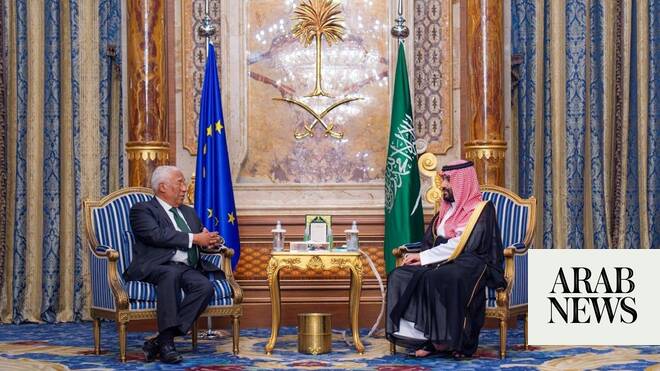

The evolving geopolitical landscape in the Middle East and North Africa has seen heightened strategic foresight among sovereign capital investors and venture capital entities. Over the past several months, the regional dialogue between the Kingdom of Saudi Arabia and European stakeholders has underscored mutual aspirations to align economic, technological, and infrastructural agendas. The recent meeting between Crown Prince Mohammed bin Salman and EU leadership, highlighted in this reimagined narrative, encapsulates a pivotal convergence designed to recalibrate the Gulf’s economic footprint within the global value chain.
Sovereign capital flows remain substantially influenced by this development, as the intricate dance between Gulf state financing mechanisms and EU strategic investments becomes increasingly central to determining regional economic resilience. The participation of key European diplomats and EU Special Representatives has elevated the significance of this event, ensuring that strategic priorities related to infrastructure integration, technology transfer, and renewable energy partnerships are not only discussed but institutionalized. These engagements signal a calculated effort to bolster the monarchies’ standing within multinational investment portfolios, positioning the MENA region as a key geopolitical and economic stakeholder.
Venture capital perspectives further emphasize the necessity of adaptive investment strategies in this context. The convergence of traditional Gulf capital with European fintech and innovation ecosystems demands agile capital deployment models that capitalize on the region’s emerging technological infrastructure. Such developments carry substantial implications for regional growth trajectories, with sovereign wealth funds increasingly aligning with agile startups and infrastructure ventures to hedge against volatility and capture novel opportunities. As the narrative progresses, it is clear that this juncture represents a turning point for MENA economies seeking to leverage global partnerships for sustainable advancement.
Infrastructure investments, particularly in digital and green energy, are poised to benefit immensely from this alignment. The discussions underscore a strategic pivot toward resilient, future-ready systems capable of meeting the demands of a rapidly transforming global economy. The cumulative impact on sovereign financing will be profound, fostering a new paradigm where Gulf leadership and European capital synergize to drive transformative growth across the region.