
Saudi Arabia’s realestate sector is rapidly evolving into a strategic asset class for sovereign wealth funds and multinational investors seeking exposure to the Kingdom’s Vision 2030 agenda. The influx of capital from the Public Investment Fund (PIF) and related sovereign entities is underpinning large‑scale master‑planned communities and premium residential projects, while the relaxation of foreign ownership rules accelerates the participation of family offices and regional venture capital firms. This convergence of sovereign, institutional, and private‑equity financing is reshaping the Kingdom’s property market from a primarily domestic arena into a globally relevant investment destination.
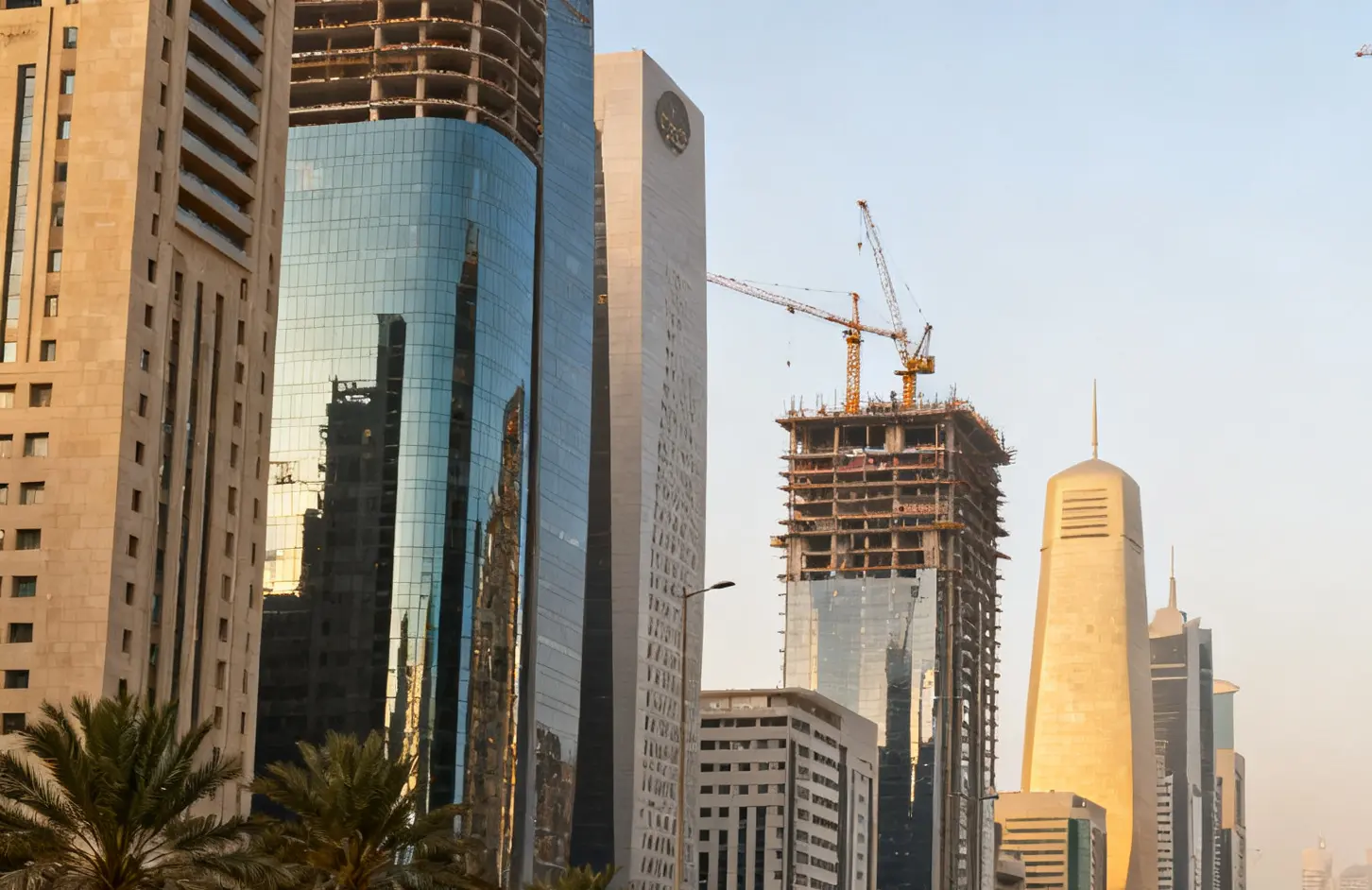
Riyadh is emerging as the nexus of financial, corporate, and residential activity, attracting multinational headquarters, regional banks, and high‑net‑worth individuals. Key districts such as Diriyah, the King Abdullah Financial District, and expanding growth corridors in the north are witnessing unprecedented development activity, driven by domestic population growth, corporate relocations, and limited supply of premium housing. The imminent hosting of Expo 2030 amplifies the city’s international profile, creating a catalyst for further inbound investment and reinforcing the Kingdom’s positioning as a regional logistics and business hub.
Jeddah’s waterfront corridor offers a complementary growth vector, leveraging Red Sea access, historic trade links, and heightened global connectivity through expanded airport capacity. Master‑planned coastal communities and premium villa developments are attracting both sovereign capital allocations and venture‑backed private equity, driven by strong demand for lifestyle‑oriented assets and constrained land availability that supports long‑term appreciation. These factors position Jeddah as a pivotal gateway for tourism‑linked real estate and logistics infrastructure projects across the Red Sea basin.
The broader regional impact is evident as sovereign funds channel capital into integrated infrastructure—airports, rail, and smart‑city initiatives—that underpins property development and stimulates ancillary sectors such as construction, technology, and services. This coordinated approach accelerates the maturation of a sophisticated financing ecosystem, where venture capitalists and private equity firms are increasingly structuring project‑level vehicles backed by sovereign guarantees. Consequently, the Kingdom’s real estate market is poised to become a cornerstone of the Middle East’s economic diversification, delivering both immediate business impact and sustained strategic value for investors.