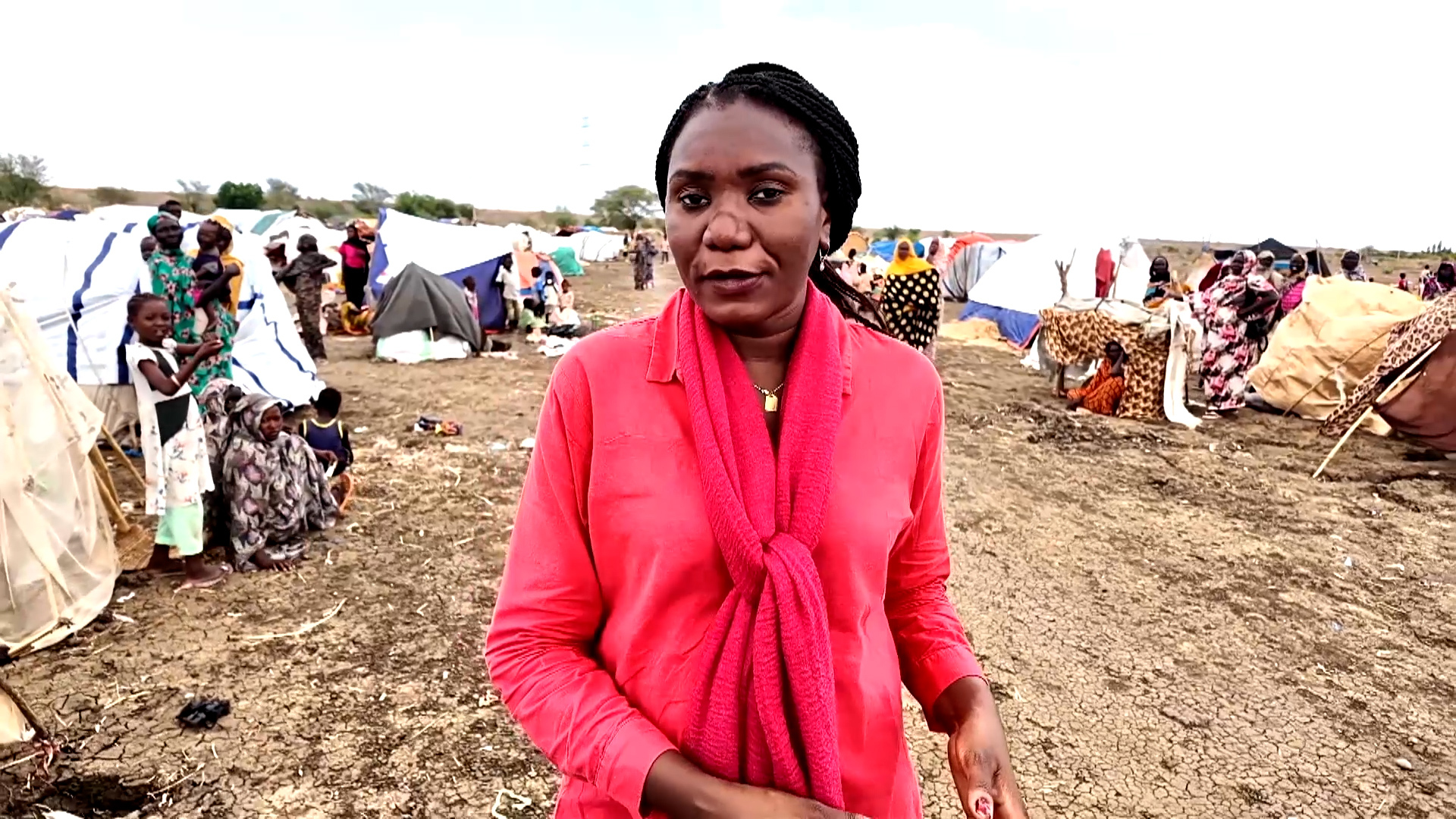

The protracted clashes between Sudan’s Sudanese Armed Forces and the Rapid Support Forces have displaced more than 28,000 individuals in Blue Nile State alone, underscoring a humanitarian crisis that reverberates across the broader Middle East and North Africa (MENA) economic landscape. While the immediate security fallout is stark, the displacement amplifies sovereign risk perception, prompting regional lenders to reassess exposure to Sudanese debt instruments and to recalibrate cross‑border trade financing models.
In response, sovereign wealth funds (SWFs) in the Gulf—most notably the Public Investment Fund of Saudi Arabia and the Abu Dhabi Investment Authority—have begun tightening liquidity buffers and revising portfolio stress‑testing parameters to factor in heightened geopolitical volatility. These adjustments translate into more selective capital deployment, with a pronounced shift toward assets that exhibit lower correlation to conflict‑prone theatres and higher resilience to macro‑economic shocks.
Venture capital and private‑equity ecosystems are also feeling the pressure. Historically buoyant funding rounds in fintech, agri‑tech, and renewable energy across North Africa are now being scrutinised through a lens of heightened due‑diligence, especially concerning supply‑chain continuity and talent retention. Investors are increasingly favouring assets domiciled in politically stable jurisdictions, while also exploring de‑risking mechanisms such as political‑risk insurance and escrow‑based disbursement structures.
From an infrastructure perspective, the conflict threatens to delay flagship megaprojects—ranging from Red Sea port expansions to Morocco’s offshore wind farms—by disrupting logistics corridors and inflating insurance premiums. Governments are consequently reallocating fiscal resources toward emergency response and resilience building, which may curtail future capital expenditure on cross‑border rail and digital backbone initiatives. The net effect is a longer‑term re‑prioritisation of MENA’s development agenda, where short‑term stability increasingly supersedes ambitious growth aspirations.