
Tesla’s unprecedented capital expenditure (capex) commitment of $25 billion for 2026 underscores a strategic pivot toward AI and robotics, redefining its business model and posing material implications for global and regional capital allocation. This threefold surge in capex compared to prior years reflects not only Tesla’s ambition to dominate emerging technologies but also a broader industry trend where traditional automotive incumbents risk obsolescence without comparable investments. For the MENA region, this shift highlights critical questions about sovereign capital deployment. Gulf sovereign wealth funds, increasingly focused on tech and innovation, may seek to align with global leaders like Tesla or compete by fostering domestic AI ecosystems. The region’s limited domestic R&D infrastructure, however, creates a dependency on foreign partnerships, potentially diverting sovereign resources from diversified investments. Meanwhile, venture capital (VC) activity in MENA could be catalysed by Tesla’s vision, particularly around robotics and AI-driven manufacturing, though high execution risks and capital constraints may hinder local startups from aggrandizing such disruptive opportunities.
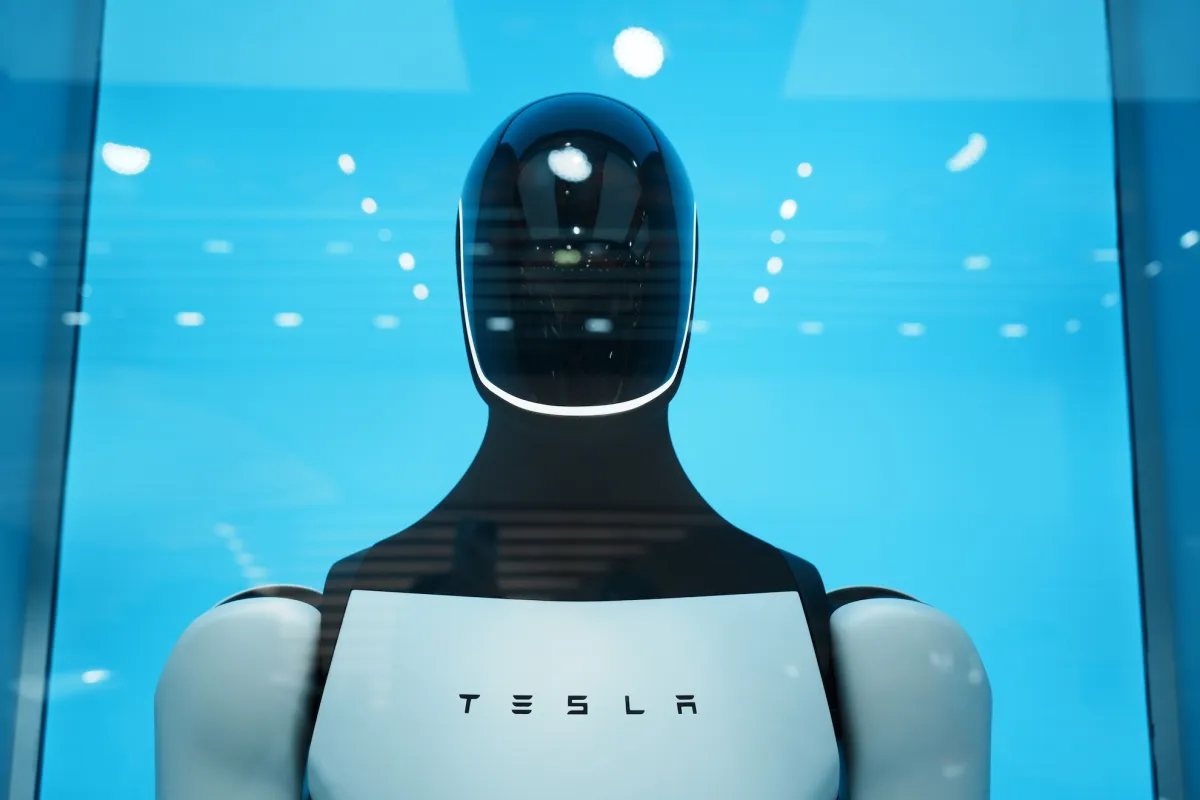
The scale of Tesla’s capex also signals a transformative business impact that resonates regionally. While MENA’s automotive market remains dominated by traditional vendors, the acceleration of AI and robotics investing could accelerate the decline of internal combustion engine-centric models. This necessitates sovereign-driven industrial policy reforms, particularly in countries like Saudi Arabia and the UAE, which aim to reduce oil dependency. If these nations fail to prioritize parallel investments in tech infrastructure—such as data centers or semiconductor manufacturing—they risk becoming passive beneficiaries of global technological outsourcing. Furthermore, Tesla’s expansion into humanoid robotics (e.g., Optimus) and AI silicon development could influence MENA’s manufacturing dynamics. Regional policymakers may need to incentivize captive tech investments to avoid brain drain and ensure domestic capacity keeps pace with global incumbents. The capital-intensive nature of these bets, however, underscores a vulnerability: unsustainable capex could strain Tesla’s financials, potentially leading to strategic recalibration that would ripple across MENA markets tied to its supply chain or energy solutions.
Regionally, Tesla’s infrastructure demands—particularly in compute, battery, and semiconductor sectors—exacerbate existing gaps in MENA’s technological infrastructure. The region’s underdeveloped semiconductor ecosystems, coupled with energy and logistics bottlenecks, create a high-cost environment for foreign firms seeking localized operations. Sovereign capitals, especially from energy-rich states, may increasingly view capex in tech infrastructure as a counterbalance to their traditional oil revenues. Conversely, MENA-based startups in adjacent fields like agritech or logistics could struggle to compete without parallel investments in AI and robotics, even if venture capital inflows grow. Data centers, a critical node in Tesla’s AI ambitions, exemplify this challenge: Saudi Arabia’s $40 billion NEOM project, while ambitious, lags behind global benchmarks in computing density and AI integration. Unless regional capital allocates resources to bridging these infrastructure voids—either through direct investment in tech parks or partnerships with global firms—the region may face a widening digital capability gap, undermining its aspirations to become a global innovation hub.