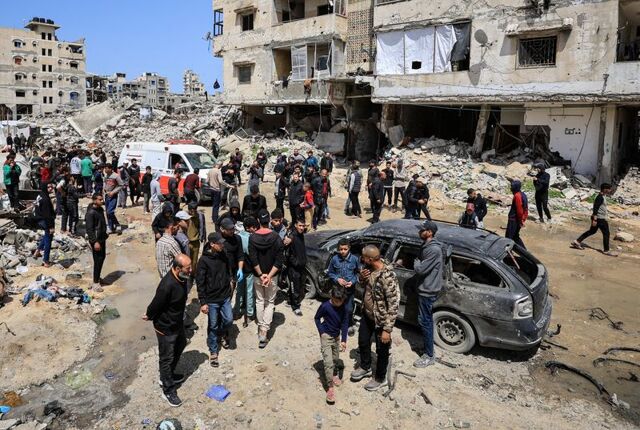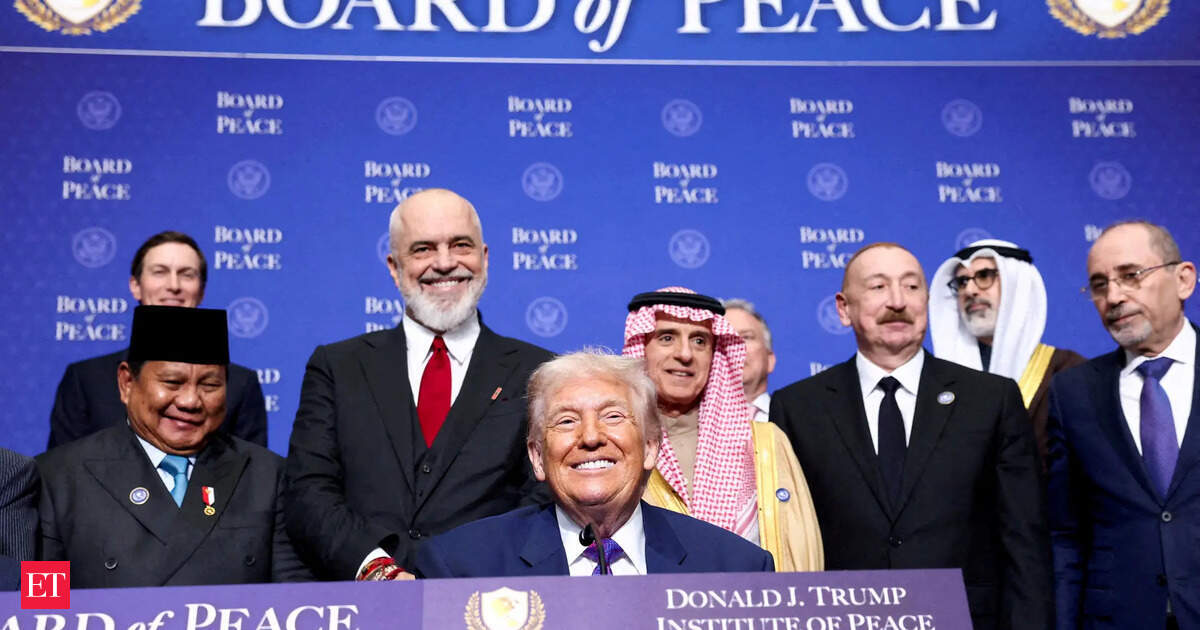

Discussions between representatives of Donald Trump’s proposed Board of Peace and Dubai state-owned logistics major DP World represent a pivotal alignment of U.S. political reconstruction frameworks with MENA sovereign capital infrastructure capabilities, targeting a rebuilding effort global institutions value at $70 billion after two years of Israeli bombardment destroyed four-fifths of Gaza’s built environment. DP World, a flagship enterprise of Dubai’s sovereign wealth vehicle Dubai World, brings unmatched regional port and supply chain expertise to a mandate that would anchor post-conflict recovery in institutional, rather than ad-hoc humanitarian, frameworks.
Per three people familiar with the matter cited by the Financial Times, negotiations center on a partnership to manage end-to-end logistics for all goods entering Gaza, including humanitarian aid, warehousing, tracking systems and security protocols. Longer-term proposals under discussion include development of a new Mediterranean port either within Gaza or on Egypt’s nearby coast, alongside a dedicated free trade zone in the enclave. For DP World, the potential concession would mark a strategic expansion of its Mediterranean logistics footprint, diversifying revenue streams beyond its core Gulf hubs and locking in a multi-decade role in one of the largest post-conflict infrastructure markets in the region.
The proposed Board of Peace, first floated by Trump in September 2024 to oversee a Gaza ceasefire tied to Hamas disarmament and full Israeli troop withdrawal, positions MENA sovereign-backed operators at the center of reconstruction planning, displacing traditional Western aid agencies as primary coordination vehicles. The inclusion of a free trade zone in talks signals a push to attract private capital, including early-stage venture investment, into Gaza’s pre-conflict nascent digital and light industrial sectors, which retain a young, skilled workforce despite widespread destruction. Regional sovereign wealth funds stand to deploy low-cost capital into the port and trade zone assets, generating steady returns while strengthening MENA’s position as a global logistics crossroads.
Neither DP World nor the White House has responded to requests for comment on the talks, leaving open critical questions around regulatory alignment, local governance frameworks and risk allocation for what would be a politically sensitive mandate. Analysts note that any final agreement would require explicit sign-off from Israeli authorities, Hamas leadership and Egyptian counterparts, given the proposed port’s cross-border implications. For institutional investors, the pivot to MENA sovereign-led logistics management reduces key execution risks that have derailed past regional reconstruction efforts, creating a more investable environment for both infrastructure and venture capital allocations.