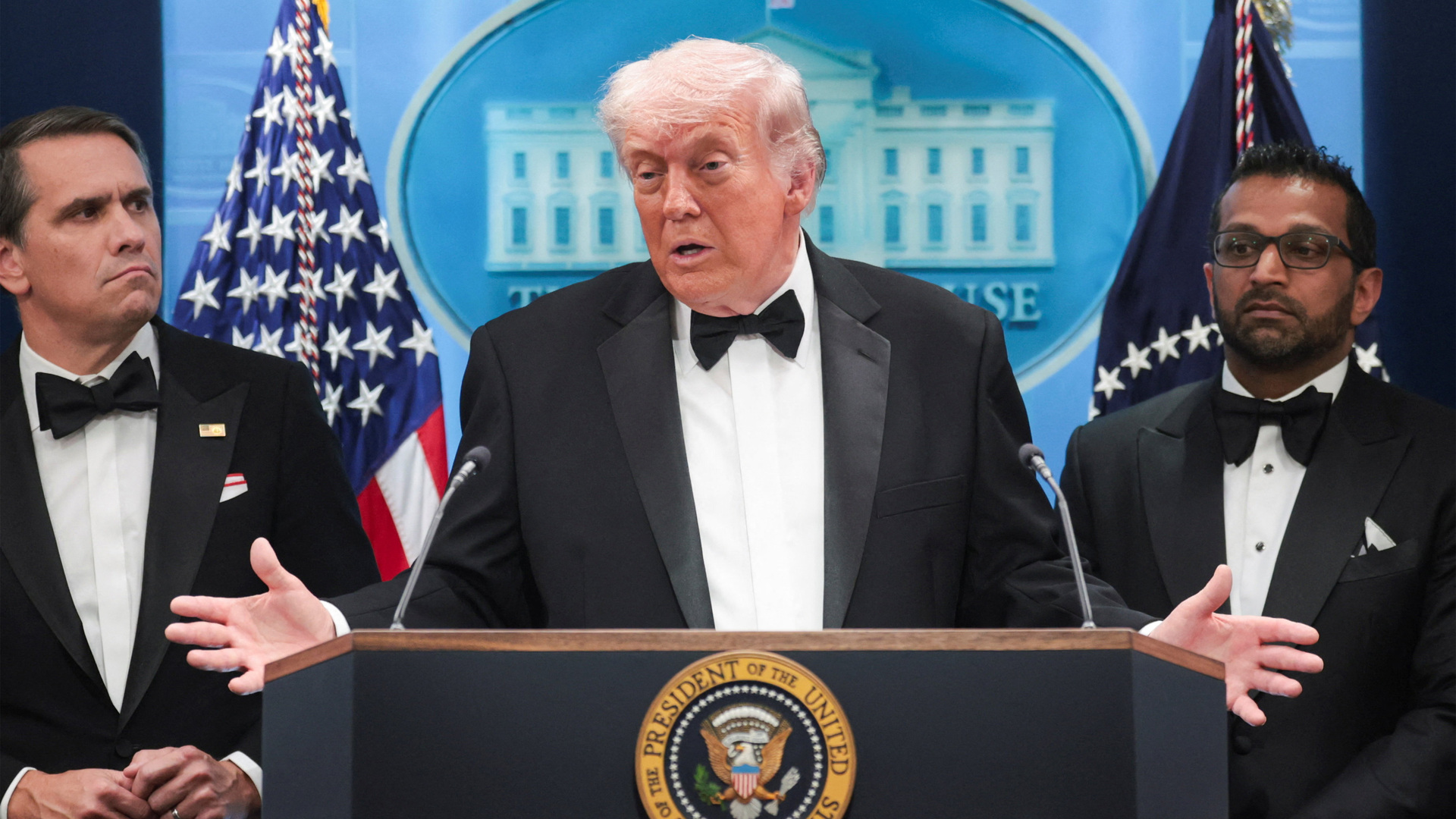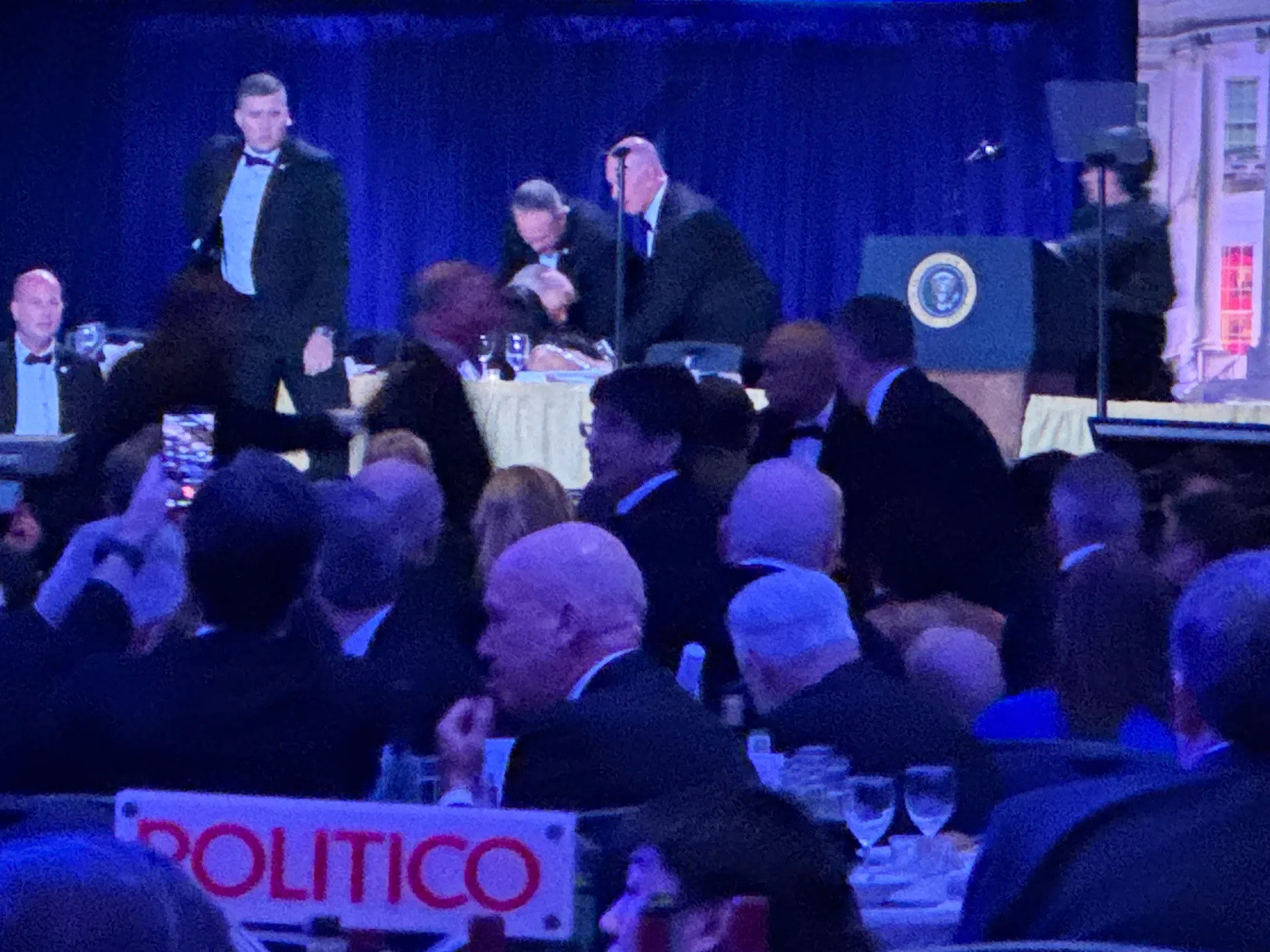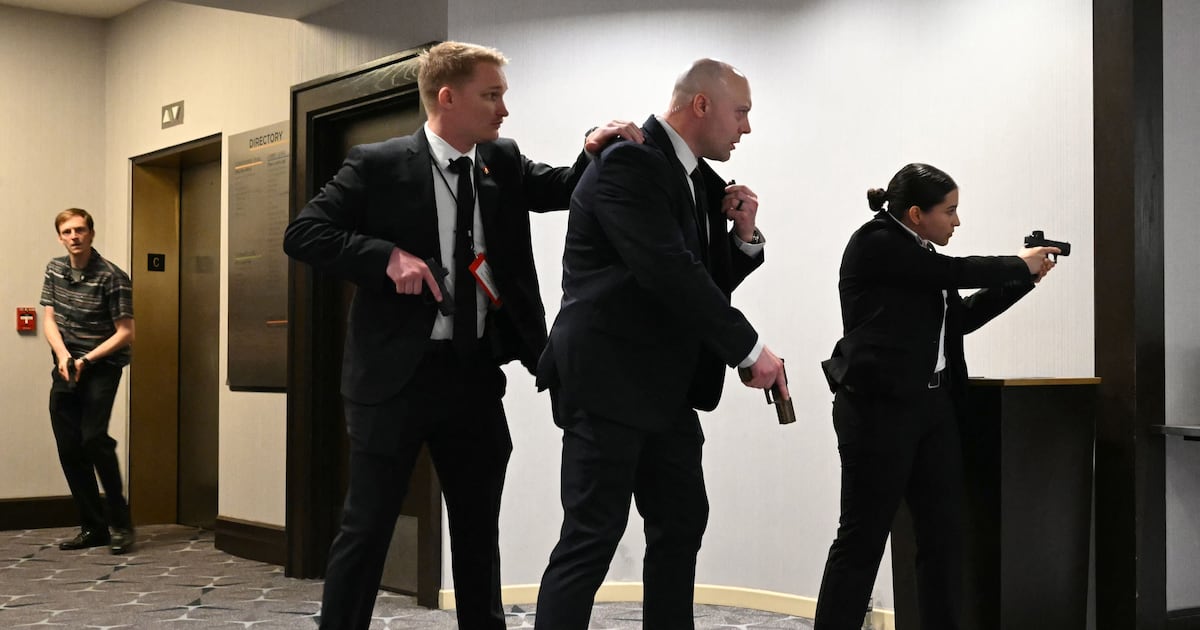

The Washington Hilton shooting, which left President Trump on the defensive after shots rang outside the White House Correspondents Association dinner, serves as a stark reminder of the fragility of high‑profile security protocols—an issue that reverberates across the MENA region where sovereign capital flows are increasingly leveraged through offshore hubs and ever‑expanding media networks. The incident underscores the need for robust physical and cyber‑security frameworks in venues that act as gateways for international investors. For governments and private‑sector players in the Gulf and North African economies, a similar lapse could deter sovereign wealth funds and venture capitalists from tapping into the region’s burgeoning fintech and media sectors, curbing the projected $12 billion inflow expected by 2027.
In the wake of the shooting, U.S. security agencies accelerated their review of perimeter protocols, a process that could set a new benchmarking standard for MENA state‑backed infrastructure projects. The United Arab Emirates, Egypt, and Israel—all key players in the area’s digital transformation agenda—will now face heightened scrutiny from their domestic venture ecosystems as they seek to align with Western standards of compliance. This realignment may accelerate the consolidation of regional data centers and fintech sandboxes, enhancing resilience but also limiting the speedat which early‑stage startups can access capital.
From a sovereign‑capital perspective, the event punctuates the broader trend of political risk rotating into the risk‑adjusted return calculations used by institutional investors. Quantitative risk models that previously assigned a negligible risk premium to MENA markets may now incorporate a higher probability of security incidents, tightening the capital appetite for new infrastructure ventures. Consequently, national development funds, such as Saudi Arabia’s Public Investment Fund, are likely to increase their preference for quasi‑state‑backed projects with built‑in security governance clauses, thereby shifting the capital allocation towards infrastructure that offers both tangible assets and regulatory safeguards.
Ultimately, the repercussions of the Washington Hilton shooting extend beyond the immediate political fallout. For the MENA region, the need to demonstrate a fortified security posture is imperative to sustain the momentum of sovereign‑backed investment flows, secure venture‑capital commitments, and underpin the reliability of next‑generation infrastructure. Firms and governments that proactively embed comprehensive risk‑management layers into their operational blueprints will be best positioned to capture the region’s projected economic growth while safeguarding against the unpredictable nature of geopolitical risk.