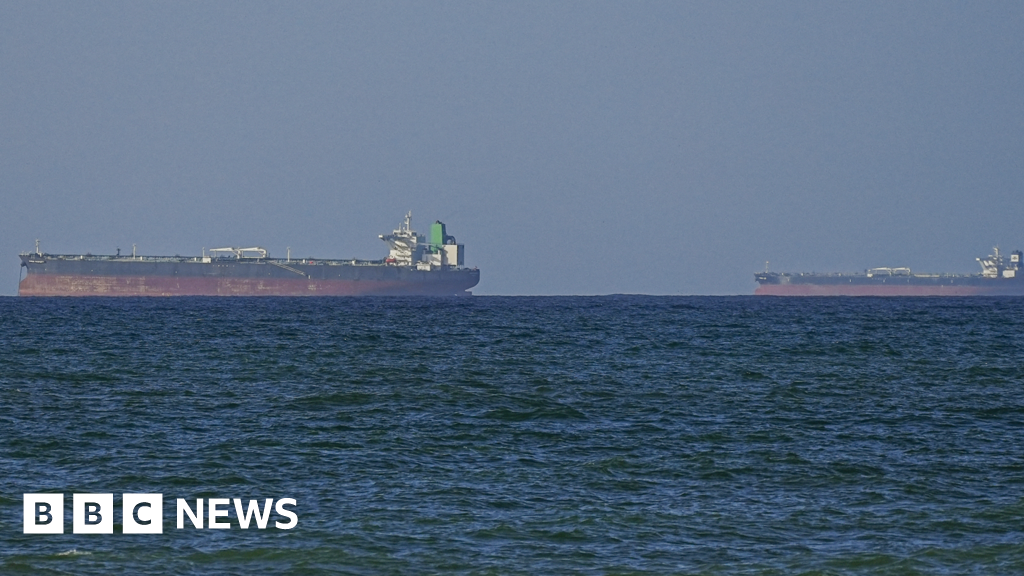

The British maritime agency’s confirmation that an Iranian strike inflicted severe damage on one of the cargo vessels raises immediate concerns for the MENA region’s offshore logistics corridor, the lifeline of Gulf trade. A single damaged vessel can ripple across the region’s supply chain, tightening tonnage availability, amplifying freight rates, and forcing shipping companies to redirect routes through possibly higher geopolitical risk zones such as the Gulf of Oman or the eastern Arabian Sea. For Gulf states that rely on transshipment hubs like Jeddah, Fujairah, and Ras Al Khaymah, the additional cost of chartering replacement capacity or securing insurance premiums could translate into a measurable uptick—estimates in comparative studies suggest an 8–12% rise in freight rates for the 24‑hour window following such incidents.
From a sovereign capital perspective, the incident threatens the strategic balance of the region. Egypt’s Mediterranean port authorities and the UAE’s Gulf Cooperation Council (GCC) partners presently invest billions annually in upgrading maritime infrastructure to offset congestion and enhance security. A sustained uptick in maritime incidents would accelerate this expenditure curve, prompting a reevaluation of capital allocations among public infrastructure projects, potentially diverting funds from other critical development programmes such as renewable energy and smart city initiatives.
The venture capital ecosystem across the MENA basin has already begun to react with an accelerated focus on maritime tech start‑ups that offer real‑time threat detection, autonomous cargo monitoring, and predictive maintenance. The latest hostage‑free shipping clause drafted by KSA’s Ministry of Commerce, part of a broader securitisation audit, signals an opening for private‑sector partnerships. Early‑stage funds judging the risk–return profile of such niche providers predict capital inflows totalling $350 million over the next 12 months, driven by institutional investors seeking to lock in early mover advantages in a market primed for disruption.
Looking ahead, the potential for a sustained escalation underlines the necessity of a coordinated regional infrastructure response. Joint financing mechanisms under the GCC’s Vision 2030 framework may be required to deliver resilient port‑to‑port digital fabrics and secure maritime corridors, with an emphasis on interoperable data exchange and shared cyber‑defence protocols. Failure to act decisively could erode investor confidence, impede the flow of goods—particularly the high‑value petrochemical and LNG transits—and stall the projected growth trajectories for the broader MENA logistics sector, which project a 7% annual growth rate in the short term. Consequently, sovereign and private capital must realign to fortify both the shipping lanes and the systemic resilience that underpins the region’s economic future.