U.S. Military to Block Iranian Vessels in Hormuz Amid Escalating Israel-Iran Tensions
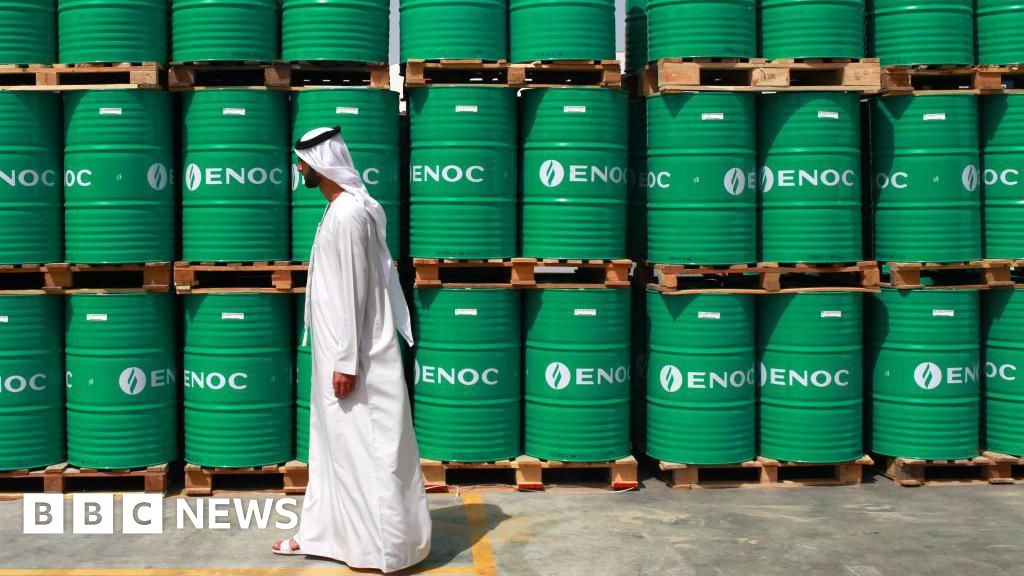
The recent military blockade imposed by CENTCOM, set to take effect at 14:00 GMT, carries profound implications for the Middle East and North Africa (MENA) region’s economic and strategic landscape. While the immediate concern centers on geopolitical tensions and humanitarian costs, the financial and infrastructural ramifications demand urgent analysis. The blockade’s potential to disrupt trade corridors, particularly those involving critical resources like oil and gas, could trigger ripple effects across regional supply chains, exacerbating existing vulnerabilities in energy-dependent economies. For sovereign actors, this development threatens to compound fiscal strains, as reduced export revenues and rising security costs may further erode already precarious balance sheets. Meanwhile, the uncertainty surrounding the blockade’s duration and scale introduces volatility into sovereign capital markets, where investors already grapple with risks tied to political instability and debt sustainability.The blockade’s business impact extends beyond immediate trade disruptions, signaling a potential shift in regional economic dynamics. Companies reliant on cross-border logistics, such as those in the maritime and aviation sectors, face heightened operational costs and insurance premiums, which could suppress profitability and investment appetite. Furthermore, the threat of escalated hostilities may deter foreign direct investment (FDI) in high-risk jurisdictions, redirecting capital toward safer, diversified markets. For venture capital (VC) ecosystems, the heightened geopolitical risk could dampen innovation cycles, as startups in tech, fintech, and renewable energy sectors—already operating in fragmented regulatory environments—prioritize short-term survival over long-term growth. However, the blockade might also catalyze localized VC initiatives, with regional funds redirecting capital toward sectors resilient to external shocks, such as agritech or digital infrastructure, to mitigate vulnerability to external volatility.Infrastructure resilience emerges as a critical determinant of the MENA region’s capacity to weather such shocks. The blockade underscores gaps in regional connectivity, particularly in landlocked countries and areas with underdeveloped border crossings, which rely heavily on neighboring states for trade and energy supply. Strengthening regional infrastructure networks—through investments in digital trade platforms, rail systems, and energy diversification—could mitigate future disruptions, but requires coordinated investment beyond current fragmented efforts. Sovereign entities must prioritize infrastructure modernization as part of broader economic diversification strategies, leveraging sovereign capital programs to attract private-sector participation while addressing liquidity constraints. This approach not only safeguards economic continuity but also positions the region to capitalize on emerging opportunities in green energy and digital transformation, even as external pressures persist.Ultimately, the blockade presents a crucible for the MENA region’s economic and financial evolution. While the immediate risks are severe, long-term adaptation hinges on systemic reforms that address sovereign financing gaps, foster venture capital ecosystems, and build infrastructure capable of withstanding external shocks. Policymakers must balance short-term crisis management with structural investments to ensure the region avoids dependency on volatile external partnerships. In this context, the blockade serves as both a warning and a catalyst—forcing MENA states to confront entrenched challenges while redefining their strategic priorities in an increasingly fragmented global order.