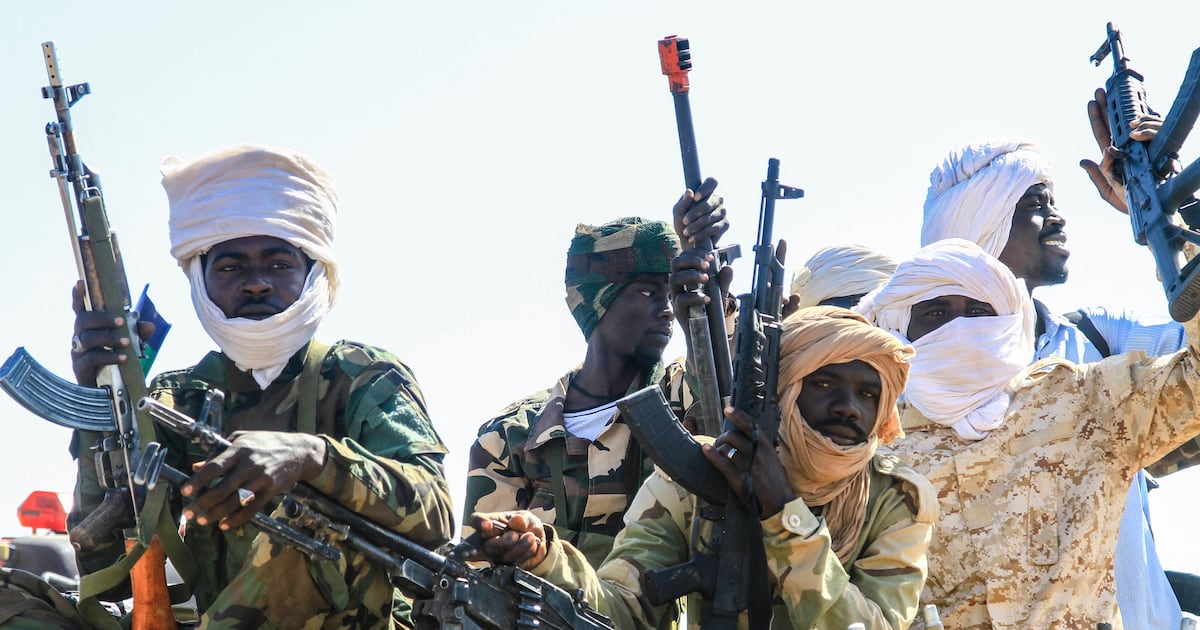

The UAE’s categorical denial of Port Sudan administration allegations that Emirati-manufactured drones struck Khartoum International Airport and military installations this week, with Emirati officials dismissing the claims as “unfounded propaganda” designed to prolong the Sudanese civil war, marks a material escalation in regional diplomatic frictions with outsized implications for MENA sovereign capital allocation and African infrastructure planning. The rhetoric threatens to inflame reputational exposure for the UAE’s growing defence industrial ecosystem, a core pillar of Abu Dhabi’s economic diversification strategy backed by more than $40bn in committed sovereign capital across defence tech and advanced manufacturing mandates. For MENA institutional investors, the renewed volatility in Sudan—now entering its fourth year of civil war—reinforces risk premia on East African exposure, where cross-border capital flows have already slowed 37% year-on-year since 2023 per regional investment tracking data.
Sovereign capital exposure to Nile basin infrastructure is particularly vulnerable to the widening rift. The $5.2bn Grand Ethiopian Renaissance Dam (GERD), a priority for Ethiopia’s sovereign balance sheet and a potential anchor for regional energy integration, remains stalled in protracted negotiations with Sudan and Egypt over filling and operating protocols—talks now further complicated by mutual accusations of supporting subversive actors, including Sudanese claims of Ethiopian backing for the Rapid Support Forces and Addis Ababa’s counterclaims that Port Sudan supports Tigray People’s Liberation Front militants. Regional SWFs including ADIA, Mubadala and Saudi Arabia’s PIF have deferred more than $8bn in commitments to cross-border energy grids and agribusiness concessions in the Al Fashaga border region, one of East Africa’s most productive agricultural zones, as intermittent skirmishes and recent drone strikes make long-term capital deployment untenable. War risk premiums for air cargo and logistics operations in the Nile basin have risen 210% since the Khartoum airport strike, eroding margins for MENA-backed port operators including DP World and logistics firms with African exposure.
Venture capital allocations to Africa-focused startups, a fast-growing segment of MENA’s VC ecosystem with $1.8bn in deployed capital since 2021, face acute disruption from the escalating tensions. Cross-border fintech rails, agritech supply chains and last-mile logistics startups reliant on Sudanese and Ethiopian market access have seen valuations slide 22% in the past month as drone warfare intensifies and cross-border payment corridors face intermittent shutdowns. For MENA’s defence tech VC segment, which attracted $640m in institutional commitments in 2025 alone, the unverified Sudanese claims of Emirati drone use create new due diligence hurdles for limited partners, many of whom are sovereign-linked, even as Abu Dhabi reiterates its neutrality in the Sudanese conflict. Delayed operationalisation of the GERD further pushes back VC opportunities in regional green energy and grid technology, a sector where MENA funds have earmarked $2.3bn for African deployment by 2027.