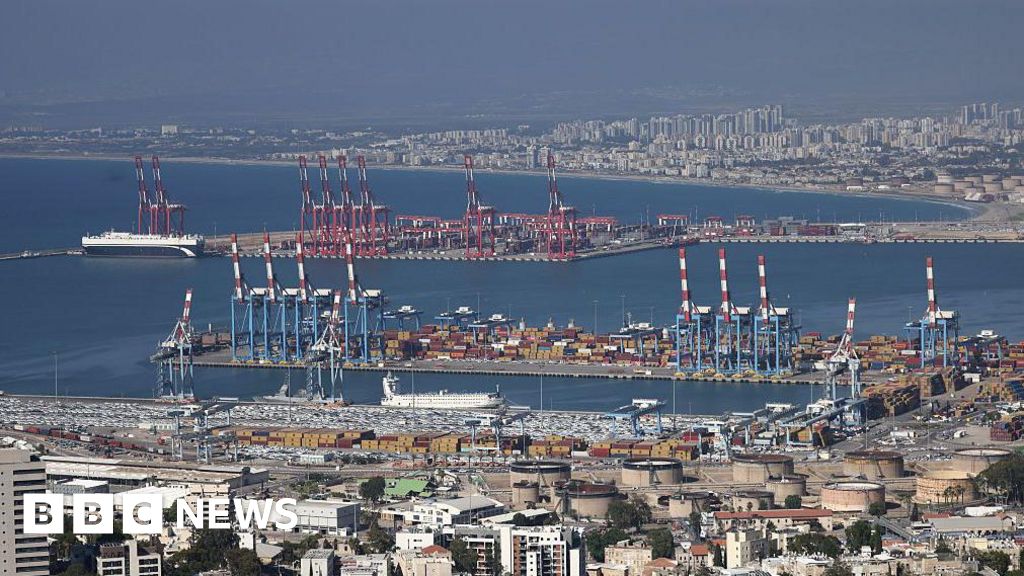

The recent assertion regarding a Ukrainian grain vessel en route to Haifa has encountered immediate scrutiny from regional financial and geopolitical experts. The Israeli deputy foreign minister explicitly stated that no credible evidence supports the claim of such a shipment reaching the port. This development underscores the continuing complexity of cross-border liquidity operations amid shifting regional dynamics. For MENA markets, this matter carries significant weight, as it directly influences perceptions of supply chain resilience and foreign investment flows into Middle Eastern port infrastructure.
The implications ripple through the sovereign capital markets, where investors monitor volatility in commodity pricing and transit bottlenecks. The absence of verified information suggests heightened uncertainty, potentially dampening confidence in existing infrastructure investments designed to mitigate such risks. For sovereign entities reliant on strategic trade corridors, this case serves as a cautionary tale about information asymmetry and the need for robust verification frameworks in high-stakes logistics.
Venture capital activity in the AgriTech and logistics sectors across the region is likely to remain cautious, with stakeholders prioritizing due diligence ahead of next-month investment cycles. Meanwhile, regional infrastructure projects—particularly those focused on enhancing port connectivity and customs automation—face renewed pressure from governments seeking to secure funding amid divergent geopolitical priorities. The incident reinforces the imperative for coordinated regulatory responses to ensure operational continuity in the face of accelerating regional transformation.