
The Trump administration’s Board of Peace has opened discussions with DP World regarding the reconstruction of Gaza’s maritime infrastructure, according to Financial Times reporting, marking what would be one of the most consequential private sector engagements in the region’s post-conflict reconstruction landscape. The talks position the Dubai-based port operator—currently the world’s third-largest by throughput—as a potential cornerstone of a reconstruction effort that has struggled to translate political commitments into operational reality. With only a fraction of the $17 billion pledged at Washington’s reconstruction conference actually delivered, the involvement of a globally integrated logistics operator represents a critical attempt to inject commercial credibility into a venture that has thus far been defined by political declarations rather than material progress.
DP World’s qualifications for such an engagement extend well beyond its scale. The operator’s portfolio of 78 marine and inland terminals across 40 countries includes a particularly relevant precedent: an $800 million development agreement for Syria’s Port of Tartus signed following the fall of Bashar al-Assad, representing one of the most significant post-conflict port reconstruction commitments by a private operator in recent memory. This track record in complex, emerging-market environments—where infrastructure must be rebuilt amid political uncertainty and institutional gaps—directly parallels the challenges Gaza presents. The company’s existing footprint across Egypt, the UAE, and the broader Middle East provides the regional integration that any viable Gaza maritime operation would require, while its $3 billion capital expenditure programme for 2026 signals the financial capacity to undertake substantial greenfield development.
The sovereign capital dimensions of this engagement warrant particular attention from regional investors and policy institutions. The UAE, which has emerged as one of the few nations to actually deliver on reconstruction pledges, has positioned itself through DP World as a potential bridge between Western political frameworks and Gulf capital deployment in the region. For sovereign wealth funds and institutional investors across the Gulf Cooperation Council, a DP World-led reconstruction of Gaza’s port infrastructure would represent both a commercial opportunity and a strategic test case for how regional capital can be channeled through private sector mechanisms into post-conflict development. The involvement of an operator with deep ties to Indian maritime infrastructure—DP World operates terminals at Nhava Sheva, Cochin, Chennai, and Mundra—further complicates the capital flow dynamics, potentially opening pathways for Indian investment participation in a reconstruction effort that has thus far failed to mobilise the international capital markets.
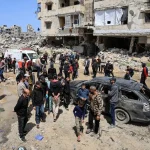
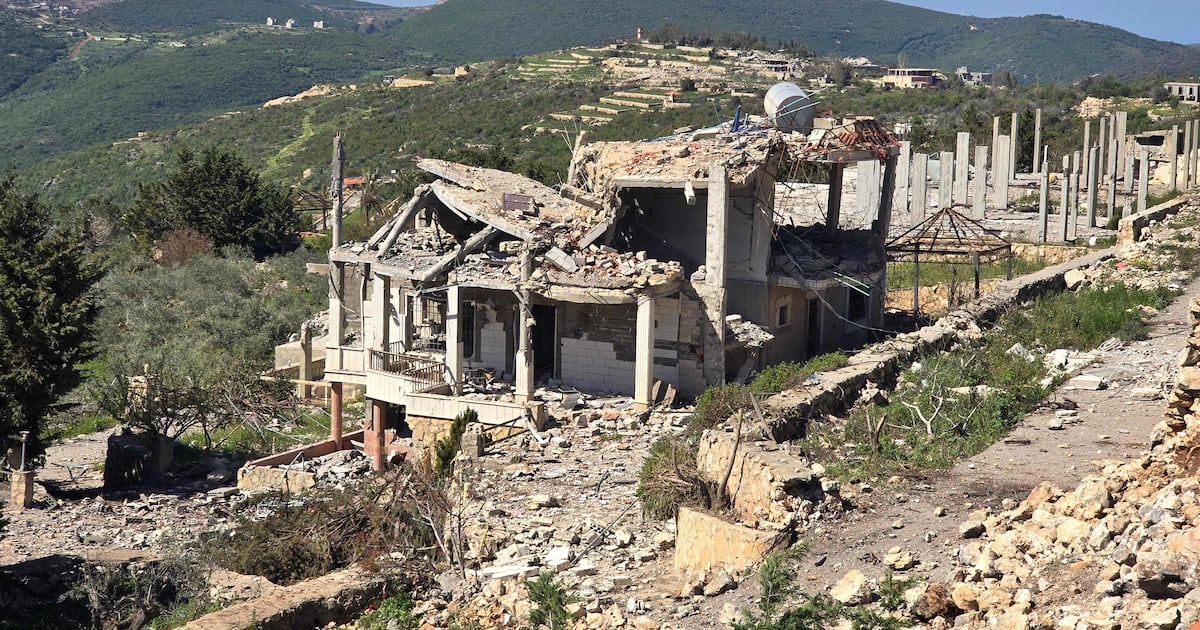
The governance complexities surrounding any potential agreement remain substantial. DP World is simultaneously managing a leadership transition following Chairman Sultan Ahmed bin Sulayem’s resignation amid controversy, alongside the operational demands of its extensive global portfolio. For the Board of Peace, the engagement represents an attempt to transform a reconstruction effort that has been hampered by funding shortfalls and political inertia into something with genuine commercial momentum. Whether a private sector operator can succeed where sovereign pledges have faltered will serve as a significant indicator for the broader viability of public-private frameworks in MENA infrastructure development. The maritime gateway that Gaza requires—virtually all port infrastructure and over 90% of docked vessels were destroyed during the conflict—remains a prerequisite for any meaningful reconstruction of the territory, making this one of the highest-stakes infrastructure decisions the region will confront in the coming period.