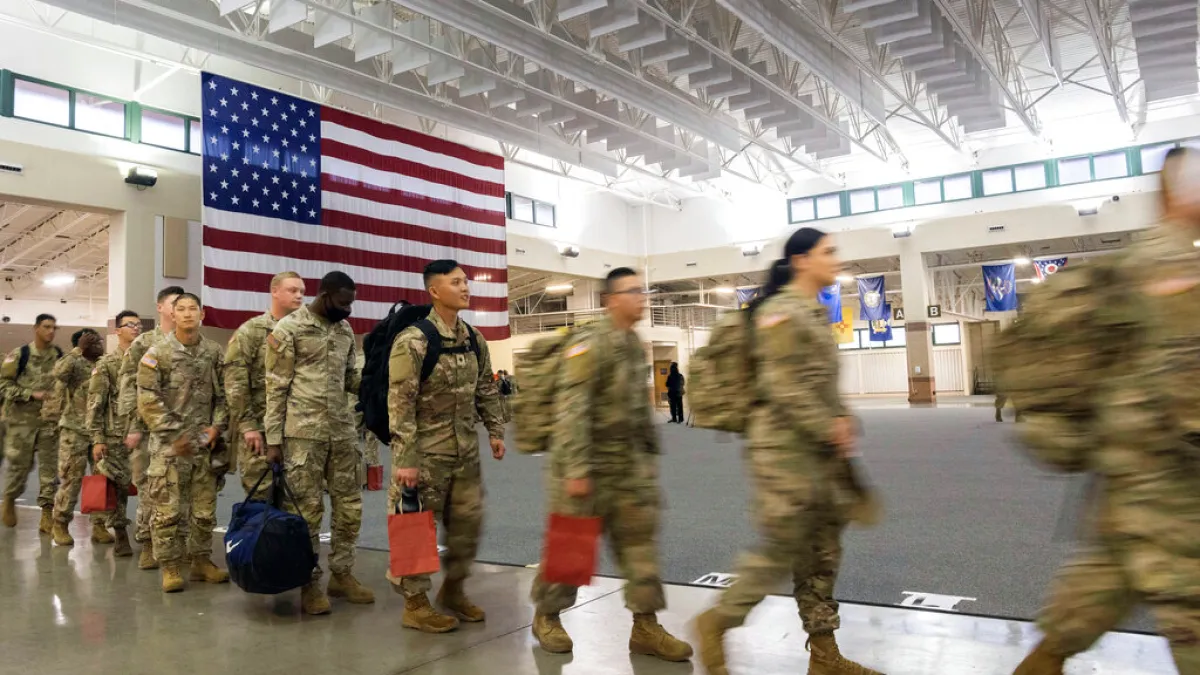

The US Army’s unilateral expansion of its eligible enlistment pool to include candidates up to 42 years old, coupled with the elimination of prior marijuana conviction waivers, signals a profound shift in defense mobilization strategy with significant downstream implications for the Middle East and North Africa (MENA) regional economy. This decision, driven by persistent recruitment shortfalls and heightened operational demands, particularly amidst the protracted conflict in Iran, will inevitably amplify defense contractor activity across the Gulf Cooperation Council (GCC) states. Sovereign wealth funds (SWFs), already heavy investors in defense and security through entities like Saudi Arabia’s SAMI and UAE’s EDGE, are positioned to capitalize on increased requirements for advanced training systems, logistics platforms, and specialized equipment designed for a more mature demographic, potentially accelerating the flow of capital into joint ventures and technology transfer agreements with global primes like Lockheed Martin and Raytheon.
Simultaneously, the policy pivot underscores a critical opportunity for MENA’s burgeoning defense technology venture capital ecosystem. As the US broadens its recruitment base, regional investors, buoyed by substantial SWF co-investment vehicles, should anticipate heightened demand in niche sectors such as autonomous training simulation platforms, veteran-focused personnel management software, and advanced medical rehabilitation technologies. This recalibration of the US military’s human capital model directly incentivizes MENA VCs to de-risk and scale startups addressing the specific needs of a more experienced force, potentially positioning the region as a hub for innovation in veteran reintegration and workforce optimization solutions tailored for both military and commercial industrial applications.
Furthermore, the strategic implications extend deeply into regional infrastructure planning. The logistical demands of supporting a larger, potentially more geographically dispersed US Army contingent necessitate significant investments in MENA-based transportation networks, warehousing facilities, and communication hubs bordering operational theaters. This creates substantial opportunities for public-private partnerships between Gulf governments and global logistics providers, potentially accelerating the development of specialized “defense corridors” connecting critical infrastructure in countries like Oman, Jordan, and Saudi Arabia. Sovereign entities must now integrate these evolving logistical requirements into long-term infrastructure blueprints, ensuring MENA’s physical capital framework is strategically aligned to benefit from the sustained defense expenditure and operational readiness needs emanating from Washington’s recalibrated military posture in the region.