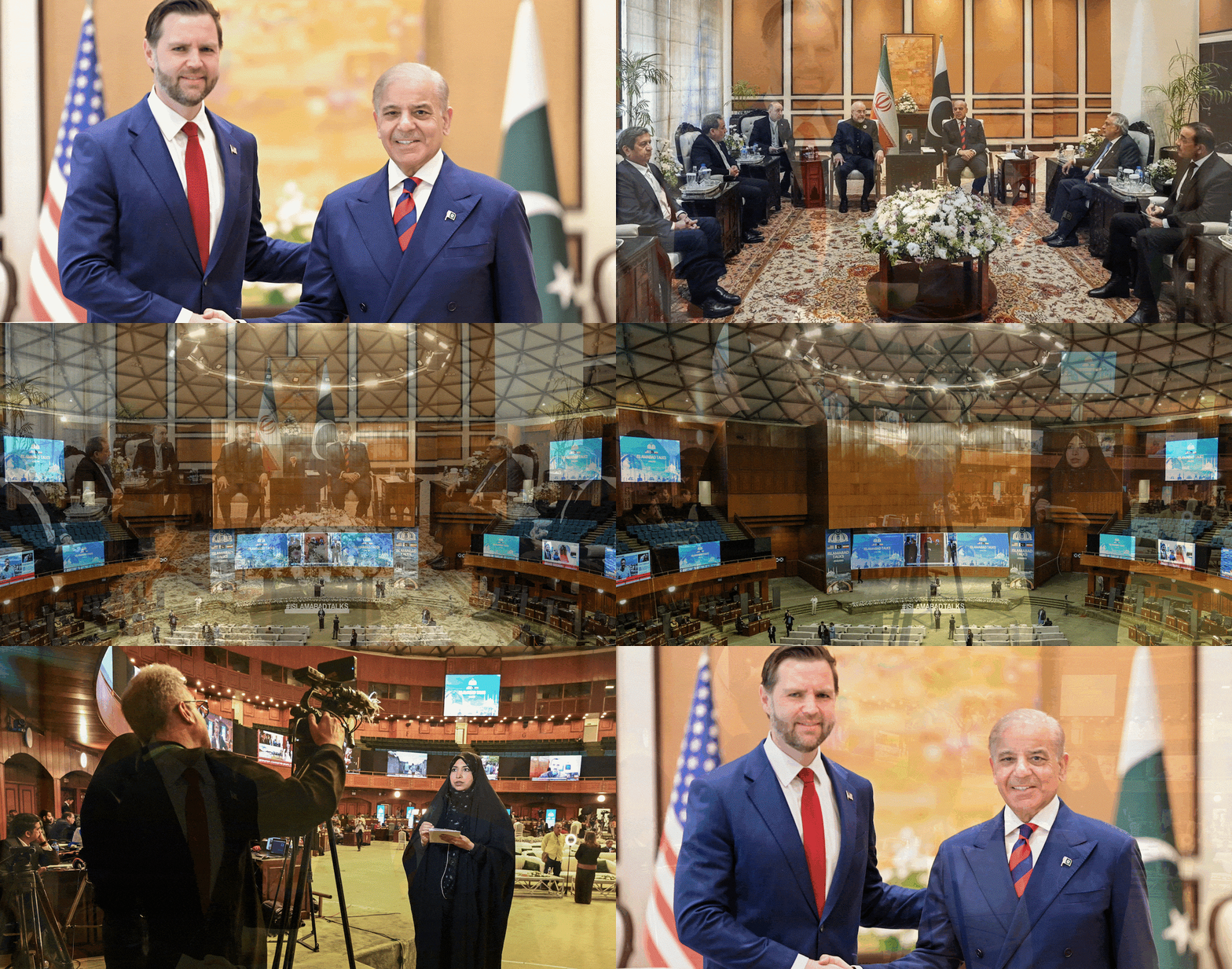

The ongoing diplomatic engagement between the UnitedStates and Iran in Islamabad marks a pivotal inflection point for sovereign capital allocation across the MENA region, where the potential release of Iranian assets held in Qatar and other jurisdictions signals a critical reassessment of sovereign credit risk profiles. Regional wealth funds are recalibrating exposure to Iranian-linked infrastructure projects, with particular scrutiny directed at the Gulf Cooperation Council’s energy diversification initiatives, as the prospect of a diplomatic thread reduces the perceived probability of abrupt sanctions escalation that has historically deterred long-term capital deployment in energy transition corridors.
Venture capital flows into MENA’s energy technology and logistics sectors are exhibiting measurable bifurcation, with investors selectively reallocating capital toward UAE and Saudi Arabia-based startups specializing in port optimization and maritime security solutions, while Palestinian and Lebanese tech ecosystems face heightened funding volatility due to the Lebanese ceasefire contingency. This strategic shift reflects a broader realignment in private capital toward jurisdictions demonstrating institutional stability, with sovereign wealth vehicles like Abu Dhabi’s Mubadala actively pursuing co-investment opportunities in regional infrastructure projects contingent on diplomatic momentum.
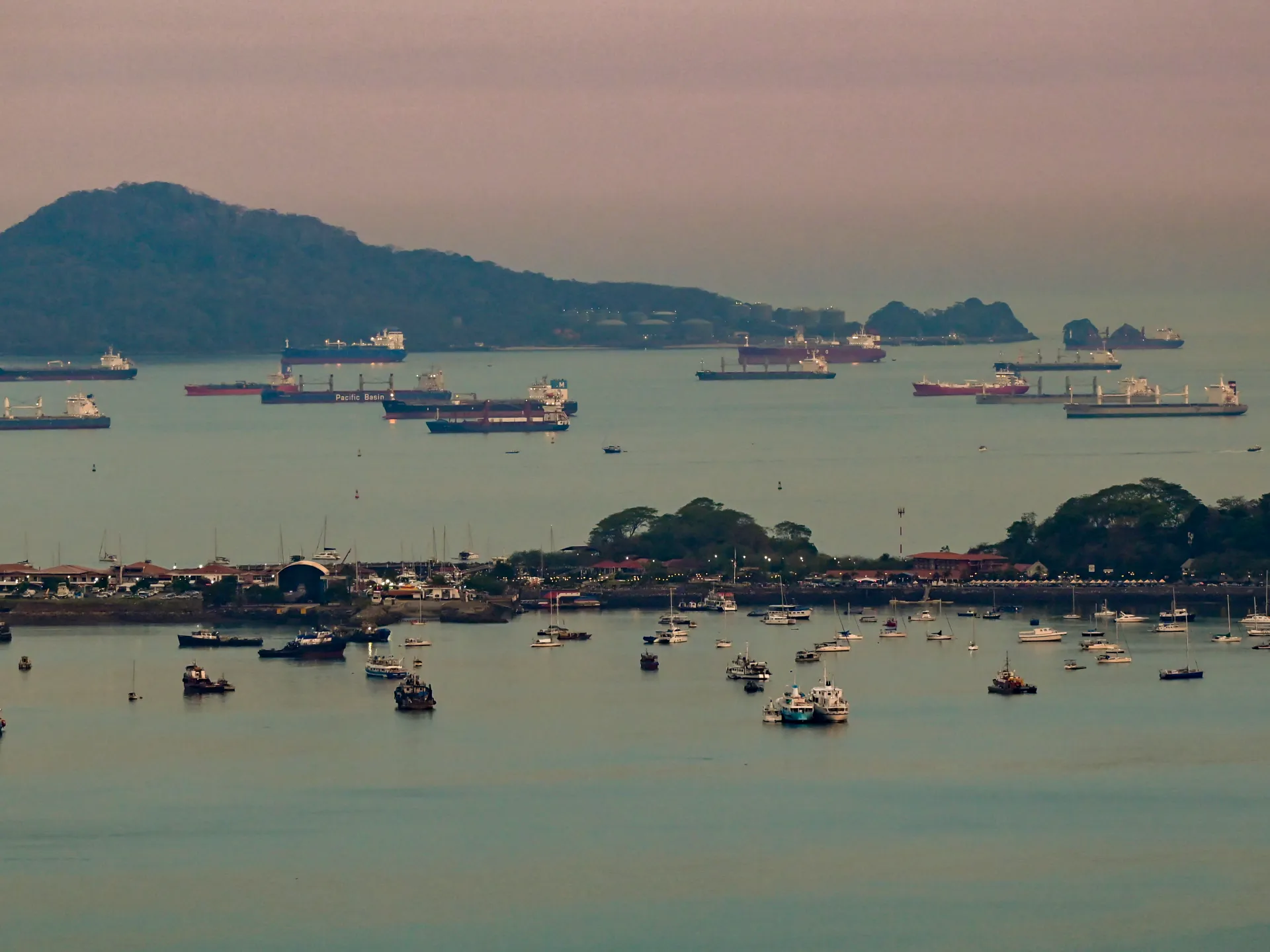
Infrastructure financing corridors linked to the Strait of Hormuz are undergoing strategic recalibration, as the potential for stabilized maritime transit pathways directly impacts $12 billion annually in regional shipping revenues and insurance premiums. This dynamic is accelerating sovereign-backed investments in alternative logistics hubs, including Saudi Arabia’s NEOM port development and the UAE’s Khalifa Port expansions, which are increasingly positioned as de facto alternatives to traditional Hormuz-dependent routes, thereby reshaping regional trade finance architectures and attracting institutional capital previously constrained by proximity to conflict zones.
The broader implications for MENA’s economic architecture extend beyond immediate project pipelines, as diplomatic de-escalation frameworks are catalyzing a reconfiguration of regional financial infrastructure standards. This includes the emergence of multilateral clearing mechanisms for energy transactions, which could materially influence SWIFT dependency patterns and foster greater integration of regional currencies in trade settlements, ultimately redefining the risk-return calculus for sovereign and private capital across the extended Mediterranean basin.