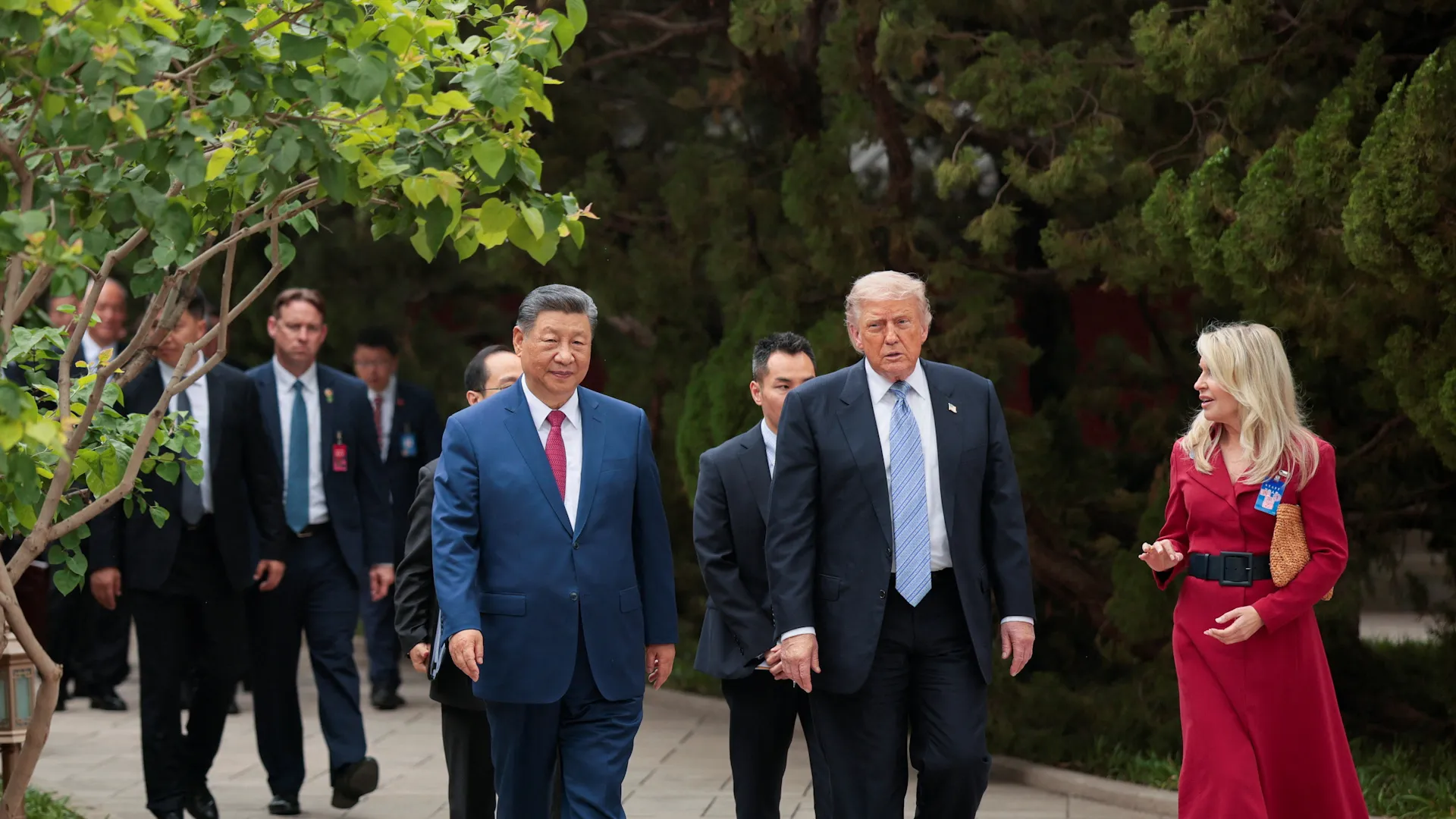

The optics of rapprochement between Washington and Beijing carry material implications for sovereign capital allocation across the Middle East and North Africa. As the Trump administration and the Xi Jinping government signal a recalibration toward a “constructive and strategic” bilateral framework, MENA sovereign wealth funds—collectively managing assets in excess of $4 trillion—face a recalibrated risk calculus. Gulf-based institutions such as ADIA, Mubadala, and PIF have been steadily diversifying portfolio exposure between US and Chinese equities, real assets, and technology verticals. A détente between the world’s two largest economies reduces the probability of punitive secondary sanctions and tariff escalations that would otherwise disrupt supply chains underpinning Gulf industrialization strategies, including Saudi Arabia’s Vision 2030 and the UAE’s Operation 300bn.
For venture capital flows into the MENA technology ecosystem, the implications are equally consequential. The region’s startup landscape—particularly in fintech, AI, and clean energy—depends heavily on dual-track capital formation: US institutional LP commitments and Chinese strategic co-investment. A stabilized US-China relationship lowers the geopolitical risk premium that has compressed deal multiples across Riyadh’s emerging tech corridors and Abu Dhabi’s Hub71 ecosystem. Limited partners will likely interpret diplomatic warmth as a signal to increase allocation toward MENA-focused early-stage funds, particularly as Gulf sovereign entities position themselves as neutral arbiters between Western and Asian technology stacks.
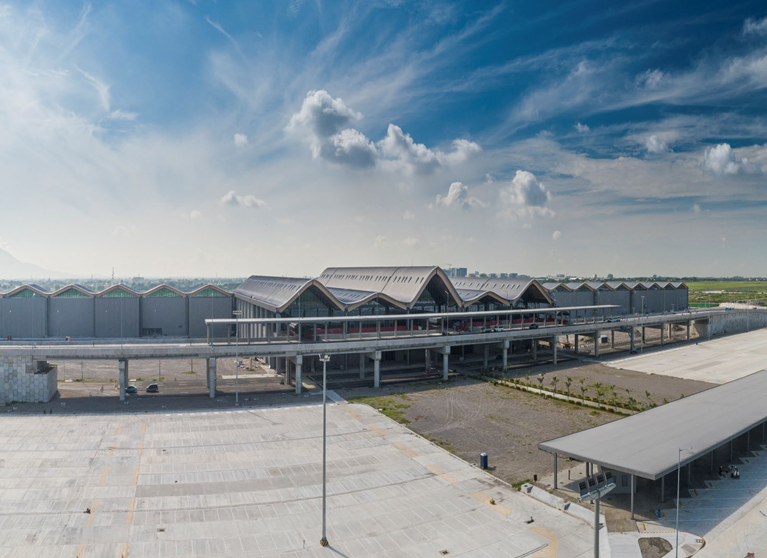
On the infrastructure front, mega-projects spanning NEOM, the Riyadh Metro, and Egypt’s new administrative capital are sustained by long-horizon capital sourced from both Western bond markets and Eastern development finance institutions. A thaw in bilateral relations reduces refinancing risk for sovereign issuances and stabilizes the dollar-pegged peg regimes that underpin MENA contract pricing. Chinese construction conglomerates, already deeply embedded in Belt and Road-linked infrastructure across the region, will find a more permissive environment for joint ventures with US engineering firms—a development that accelerates technology transfer and elevates project execution standards.
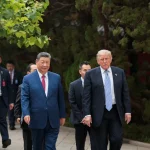
Ultimately, the Beijing summit signals not merely a bilateral reset but a rebalancing of the geopolitical substrate upon which MENA’s economic transformation is being constructed. Regional policymakers who leverage this window of reduced great-power friction to lock in sovereign financing, attract dual-source venture syndicates, and advance infrastructure procurement timelines will capture disproportionate value. The strategic imperative for MENA capitals is clear: consolidate positioning while the superpower axis stabilizes, and avoid the complacency of assuming such conditions are permanent.