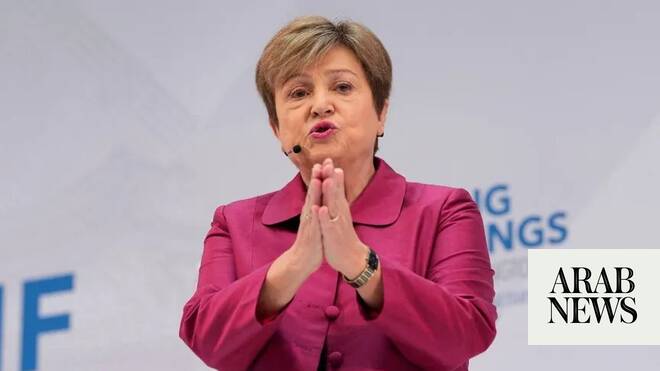

The geopolitical tensions surrounding the Middle East and North Africa (MENA) continue to exert profound influence on the region’s economic DNA. In a recent exchange, Kristalina Georgieva, Managing Director of the International Monetary Fund, underscored the resilience of Gulf economies by highlighting their robust financial structures and prudent policy frameworks. These foundations enabled the region’s sovereign capital to weather the complexities of the US-Iran conflict, a testament to advanced risk management strategies that benefit the broader MENA asset landscape.
Analyzing the war’s ripple effects reveals significant variation across MENA member states, largely dictated by energy position and policy robustness. Sovereign capital markets have responded differently: countries that invested decisively in diversification and institutional strength have demonstrated superior capacity to absorb shocks, whereas those still reliant on narrow economic models face mounting vulnerabilities. This divergence is reflected not only in capital flows but also in the evolving investment climate for sovereign wealth funds seeking stable returns in tumultuous global markets.
Venture capital activity has similarly shifted in response to the regional instability. While traditional investor confidence remains cautious, there is a discernible momentum toward regional technological innovation, particularly as investors seek exposure to adaptable, future-ready sectors. This shift is emblematic of broader structural transformation across the MENA region, where institutional strength is becoming a decisive factor in attracting long-term capital. The war’s aftermath has further catalyzed a recalibration of investment priorities, favoring resilience over short-term yield.
Infrastructure ambitions across the GCC and broader MENA region are redefined under the dual pressures of economic uncertainty and strategic investment. Sovereign governments are channeling capital into infrastructure projects not merely for recovery but for long-term economic insulation. The implications run deep: financial markets, sovereign investors, and regional stakeholders must continuously realign their expectations, ensuring that the MENA region navigates these turbulent times with strategic foresight and institutional discipline.