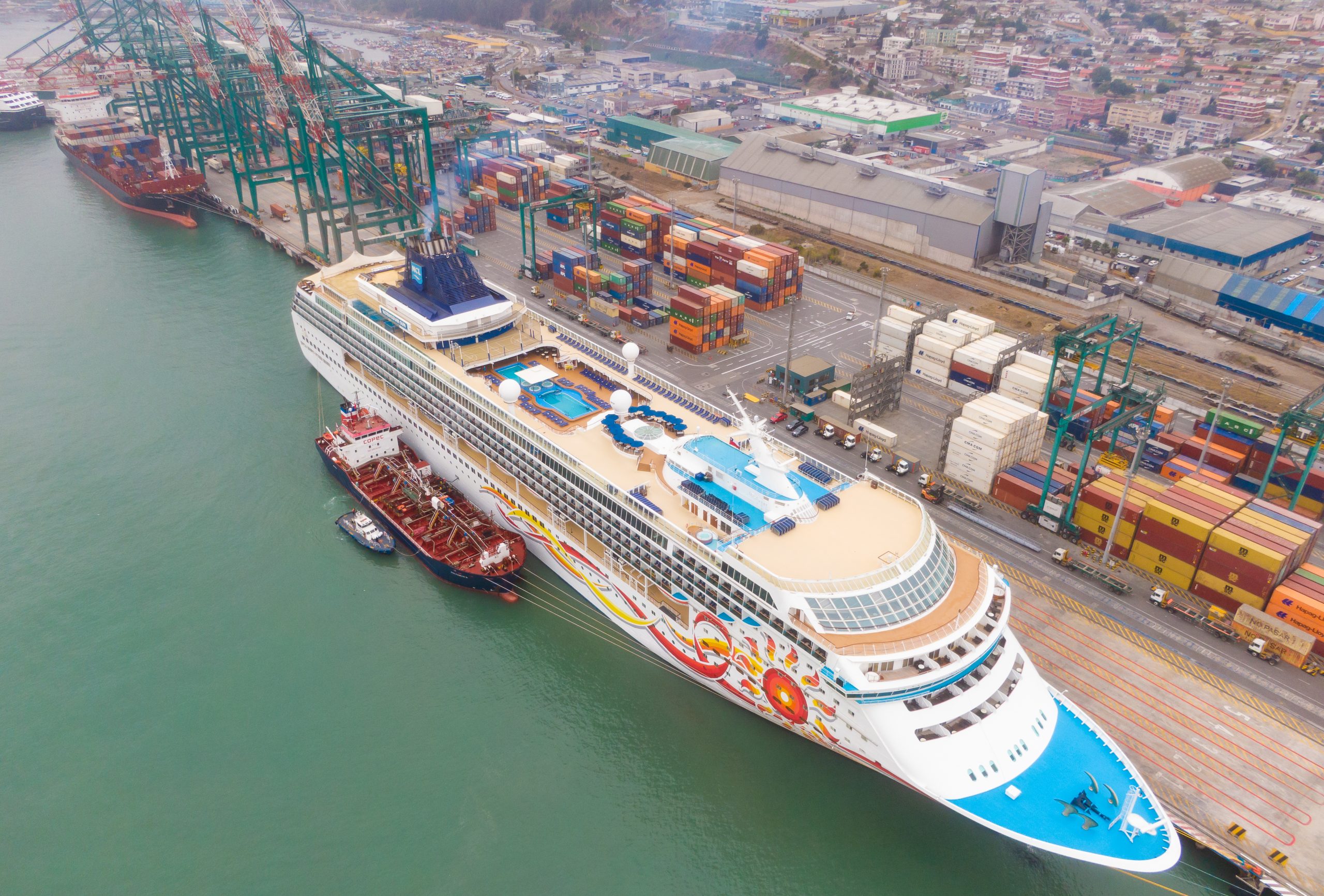

ADNOC Gas has announced temporary production adjustments at its liquefied natural gas (LNG) and Export Traded Liquids (ETL) facilities, directly responding to persistent shipping disruptions in the strategically critical Strait of Hormuz. The Abu Dhabi National Oil Company (ADNOC) state-backed entity is actively engaging with customers on a case-by-case basis to address commitments amid these operational challenges. Crucially, ADNOC Gas also confirmed its operations remain intact following a separate asset targeting incident last week, affirming inspections found no injuries or core processing integrity issues despite falling debris near key infrastructure.
Global energy markets remain acutely sensitive to the escalating US-Iran conflict, now entering its fourth week. Recent US-Israeli strikes on Iranian natural gas infrastructure, including critical domestic supply networks, have triggered a robust retaliatory response targeting regional energy assets. This escalation transforms the conflict’s nature, shifting the risk calculus from trade disputes towards tangible production shut-ins and infrastructure damage. As articulated by Norbert Rücker, Head of Economics and Next Generation Research at Julius Baer, the targeting of Qatar’s export hub exemplifies the heightened market nervousness, driving concurrent surges in both oil and natural gas prices. Such disruptions threaten to prolong supply volatility, imposing significant costs on global energy consumers and investors.
The unfolding geopolitical tensions impose profound implications for the MENA region’s sovereign capital and investment landscape. ADNOC’s strategic recalibration reflects a broader pattern where state energy giants face heightened operational risks and potential reputational damage, impacting sovereign wealth fund portfolios heavily exposed to hydrocarbon assets. The vulnerability of critical maritime chokepoints like the Strait of Hormuz underscores the urgent need for substantial regional infrastructure investments to mitigate supply chain fragility. Furthermore, the volatility spurred by infrastructure attacks and production curtailments creates an uncertain environment for venture capital deployment, particularly in sectors reliant on stable energy supplies or seeking to capitalize on energy transition opportunities, complicating funding decisions and risk assessments across the broader MENA financial ecosystem.