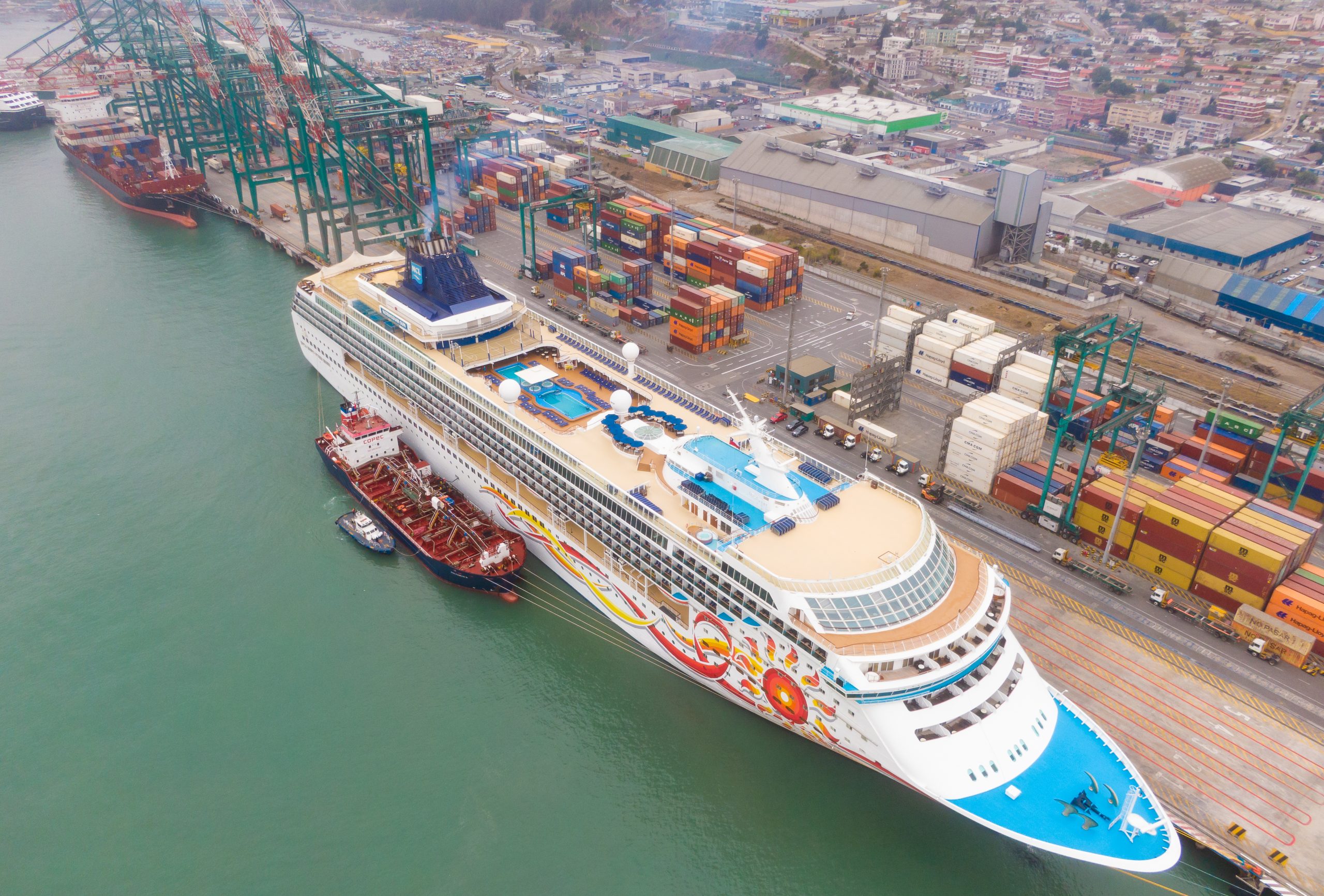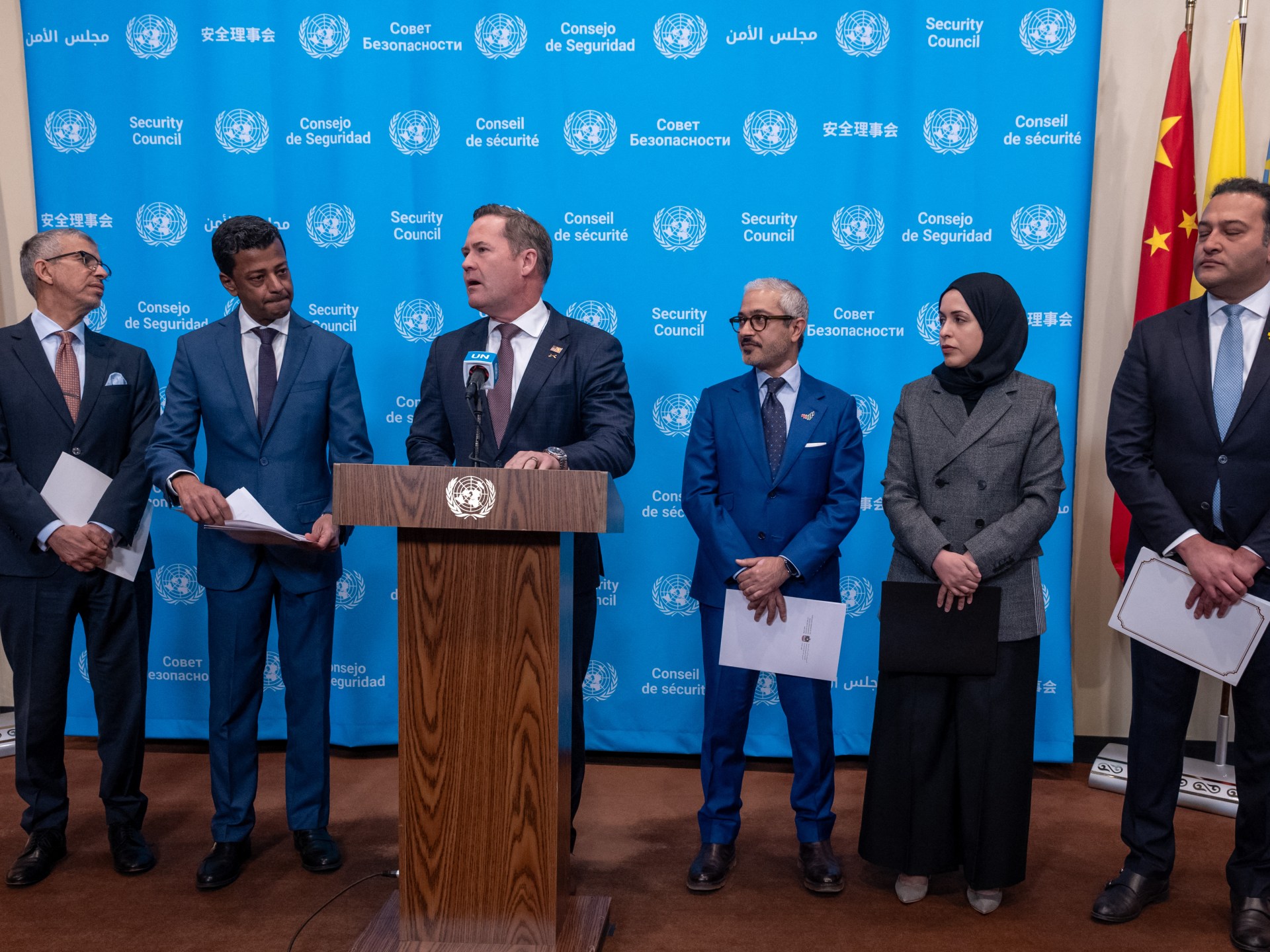

The Gulf states’ push for a UN Security Council resolution demanding Iran reopen the Strait of Hormuz is not merely a geopolitical formality—it is a sovereign capital preservation strategy at industrial scale. With roughly one-fifth of global energy exports flowing through the strait and regional commodity markets already convulsing since the US-Israel strikes on Iran began in late February, the economic exposure for GCC treasuries is acute. Qatar has been forced to halt LNG exports entirely; Saudi Arabia and the UAE retain pipeline bypass capacity but face mounting insurance costs and shipping bottlenecks that erode margin on every cargo. For sovereign wealth funds managing trillions in assets, prolonged disruption translates directly into lower investment returns, narrower fiscal buffers, and pressure on the long-term economic diversification timelines that every Gulf government has staked its post-oil credibility on.
The resolution’s implicit threat of Chapter VII enforcement—sanctions, asset freezes, or worse—sends a sharper signal to institutional capital and venture ecosystems across the MENA corridor. If the strait remains contested, foreign direct investment in UAE logistics hubs, Saudi industrial cities, and Qatar’s energy-adjacent technology clusters will stall. Regional infrastructure projects already under execution, from NEOM to the Saudi Red Sea mega-developments, depend on stable supply chains and predictable freight economics. The US embargo on Iranian ports compounds the squeeze, removing an additional crude source from the global market and tightening energy pricing for downstream industries across the region, from petrochemicals to data-center cooling infrastructure.
Iran’s retaliatory pivot—planting mines, threatening illegal tolls via a proposed Persian Gulf Straits Authority, and striking energy infrastructure in neighbouring states—has turned the Strait of Hormuz into a de facto geopolitical chokepoint with no clean exit. Russia and China’s veto last month on the earlier Bahraini resolution made clear that consensus-based enforcement is deadlocked, forcing the new draft to operate under Chapter VII without explicit language on authorising force. That ambiguity is itself a market signal: sovereign risk premiums for Gulf sovereigns will remain elevated until the legal and military contours are resolved. For the region’s venture capital community, the calculus is equally stark—capital deployment in the Gulf will accelerate only when shipping lanes reopen, energy pricing stabilises, and the threat of Iran-driven escalation is formally contained by international consensus or credible deterrence.