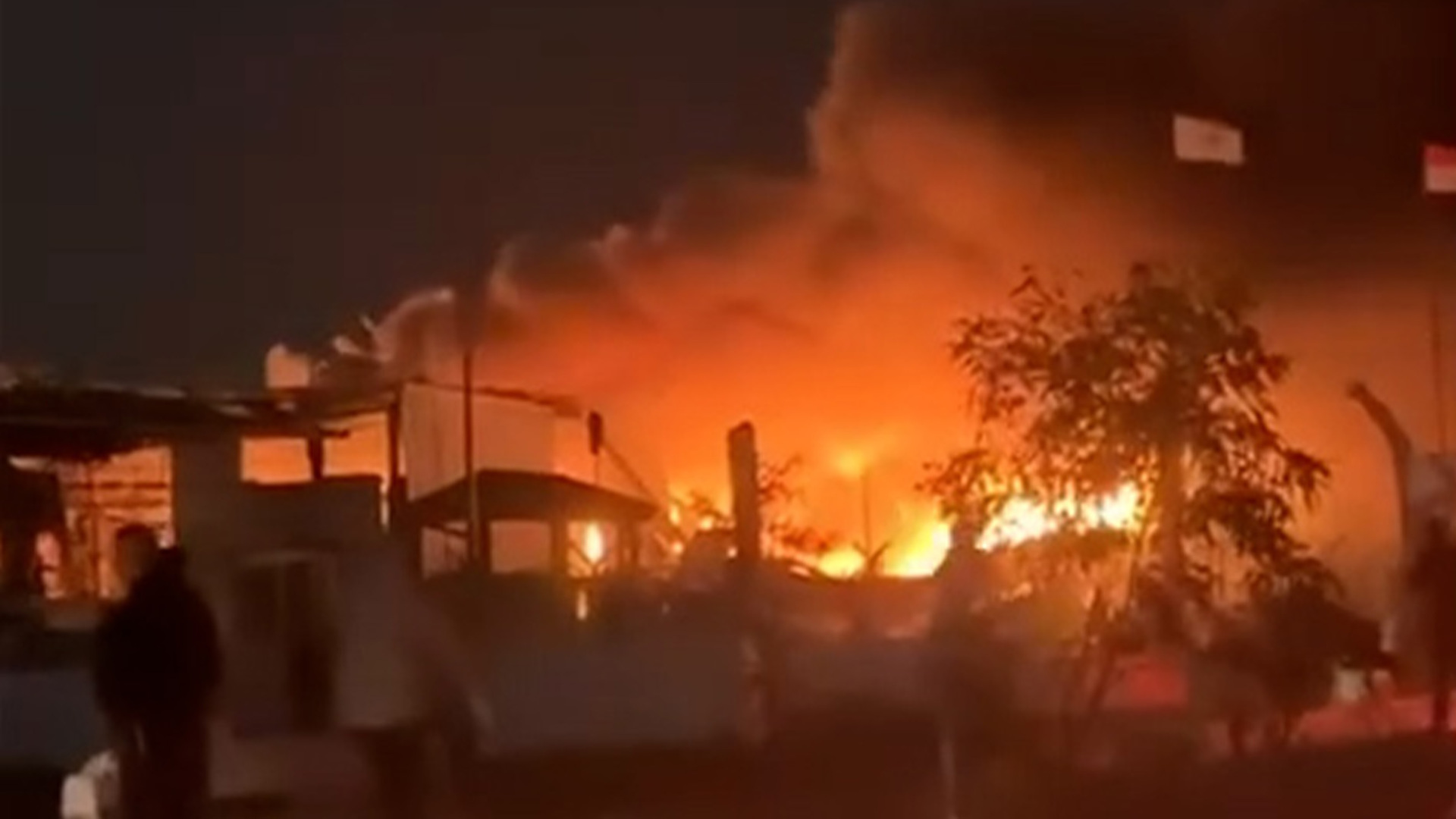

The recent airstrike targeting Popular Mobilization Forces (PMF) headquarters in Anbar province, Iraq, underscores the escalating instability within the region and presents significant ramifications for the broader Middle East and North Africa landscape. While the immediate impact – the loss of ten lives during a commander’s meeting – is tragic, the event highlights the continued influence of Iranian proxies and the fragility of governance in areas like Anbar, a region historically contested between Baghdad and Tehran.
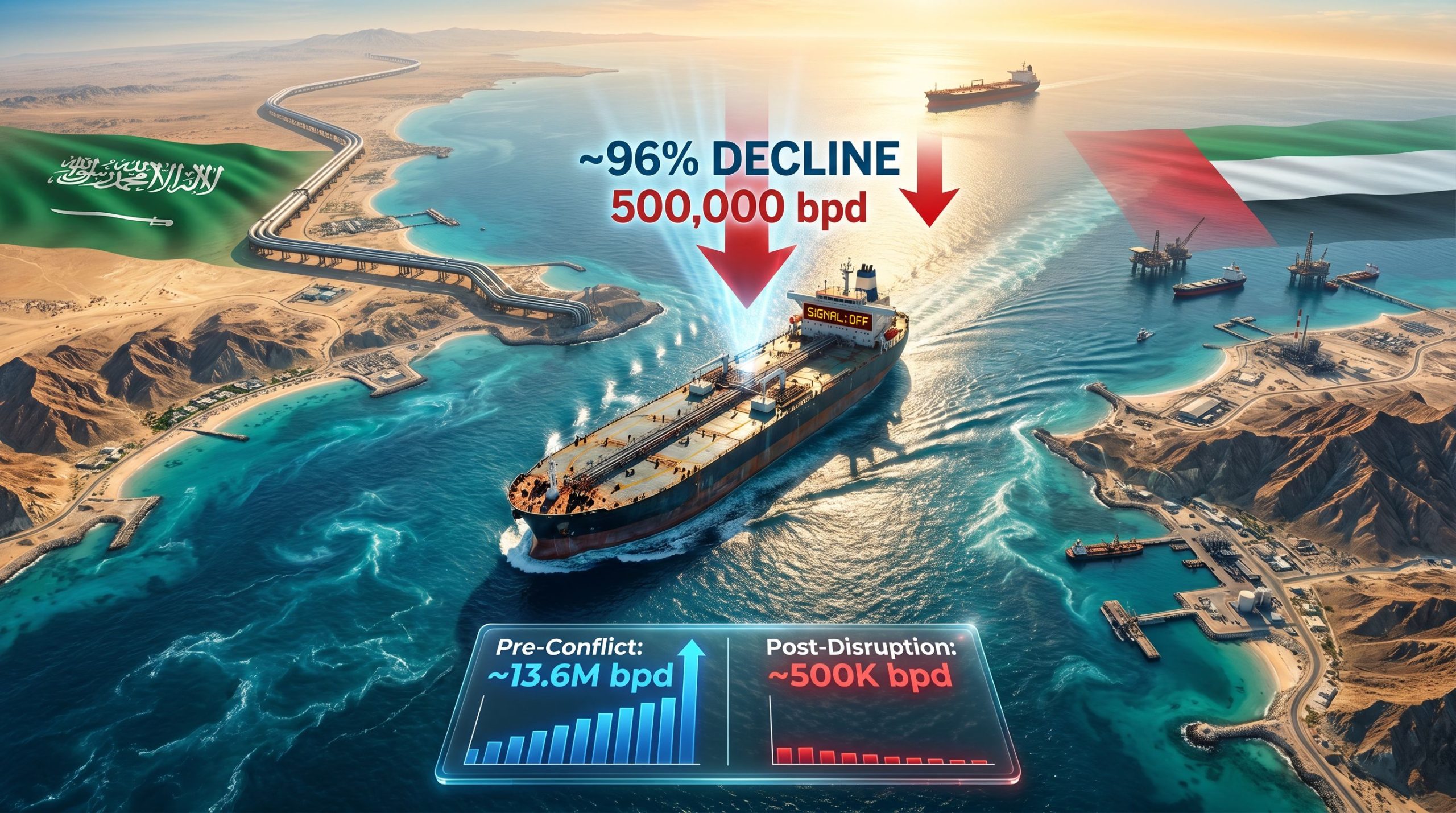
From a business perspective, this heightened volatility directly impacts investment flows. Sovereign wealth funds, traditionally a cornerstone of capital deployment in the region, are likely to adopt a more cautious approach, prioritizing defensive investments and de-risking strategies. Venture capital activity, particularly in sectors reliant on regional stability – such as logistics, infrastructure, and tourism – will undoubtedly slow. Furthermore, multinational corporations operating in Iraq and neighboring countries are reassessing operational risks, potentially delaying expansion plans or relocating critical functions. The ripple effect extends to energy markets, with potential disruptions to oil production and transportation routes adding to existing supply concerns.
Crucially, the incident reinforces the growing importance of sovereign capital within the MENA region. As central banks and governments seek to insulate their economies from external shocks, domestic investment vehicles are becoming increasingly vital. This trend is accelerating the development of regional investment funds and the promotion of local capital markets. Simultaneously, the need for enhanced regional security infrastructure – including border security, intelligence sharing, and potentially, localized defense capabilities – will drive demand for technology and specialized services, creating new opportunities for tech-enabled security solutions and digital infrastructure.
Finally, the event necessitates a renewed focus on regional infrastructure development. The instability in Anbar, and similar incidents across the region, highlights the critical need for robust and resilient transportation networks, communication systems, and energy grids. Investment in these areas, often spearheaded by Gulf states and international partners, is not merely a matter of economic development but a strategic imperative for ensuring regional stability and mitigating the impact of future crises. The long-term success of any economic recovery hinges on addressing these fundamental infrastructural gaps, alongside a concerted effort to de-escalate geopolitical tensions and foster a more secure operating environment.