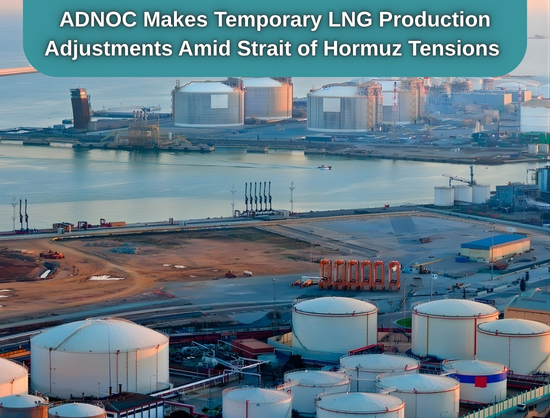

ADNOC Gas’s recent operational adjustments, stemming from Strait of Hormuz disruptions, underscore the heightened geopolitical risks impacting the Middle East and North Africa’s (MENA) energy infrastructure. The temporary LNG output modifications, coupled with the shutdown of the Habshan gas processing complex, represent a tangible business impact, potentially affecting global LNG supply chains and impacting regional energy security. While ADNOC has prioritized supply continuity through individual customer arrangements, the situation highlights the vulnerability of critical energy arteries in the region and necessitates a reassessment of supply chain diversification strategies across MENA.
The escalating tensions, triggered by attacks on energy facilities and Iran’s potential response to further aggression, pose significant implications for sovereign capital and venture capital flows within the region. Increased uncertainty discourages foreign direct investment in energy projects and related infrastructure, hindering long-term development plans. Furthermore, the disruptions could impact desalination projects, a critical component of water security in many MENA nations, draining resources intended for vital infrastructure development. Investors are likely to prioritize projects with enhanced resilience and risk mitigation strategies, potentially shifting capital towards alternative energy sources and more geographically diverse operational hubs.
The strategic importance of the Strait of Hormuz extends beyond immediate energy supply. It is a critical chokepoint for regional and global trade, and disruptions threaten broader economic stability. The incidents necessitate a renewed focus on regional infrastructure resilience and cybersecurity. Investments in alternative shipping routes, enhanced monitoring systems, and robust digital infrastructure are paramount to safeguarding energy assets and ensuring business continuity. This includes exploring enhancements to port facilities and logistical networks beyond the Strait itself, fostering a more diversified and resilient supply ecosystem. The situation also presents opportunities for innovation in energy storage and alternative fuels, accelerating the transition to a more diversified energy portfolio.
Looking ahead, the crisis will likely accelerate the shift towards localized energy solutions and increased regional cooperation. MENA nations may prioritize investments in domestic energy production and explore partnerships to develop alternative supply routes. The implications for venture capital are significant, with increased demand for technologies focused on energy security, infrastructure protection, and alternative energy solutions. Ultimately, navigating this volatile environment requires a proactive approach, emphasizing diversification, resilience, and regional collaboration to mitigate risks and secure long-term sustainable growth for the MENA region.