
Crystal International Group’s seventeenth Sustainability Report is, beneath its ESG veneer, a bellwether for how MENA sovereign capital allocators are increasingly benchmarking downstream manufacturing partners against carbon transition metrics, circularity mandates, and IFRS S1/S2 compliance standards. The group’s CDP A-list climate rating, its elimination of coal-fired operations across all wholly-owned facilities, and the 23 MW solar photovoltaic build-out signal to Gulf sovereign wealth funds and regional venture capital ecosystems that supply-chain resilience now carries a quantifiable emissions discount. For sovereign entities managing trillions in diversified portfolios, Crystal’s alignment with European Sustainability Reporting Standards and double materiality frameworks is no longer a voluntary narrative—it is an infrastructure prerequisite for capital allocation into apparel sourcing corridors that feed into Middle Eastern retail markets and e-commerce platforms scaling across the GCC.
More critically, Crystal’s smart factory expansion—FLAP for garment production, FLOCK for mills, AI-integrated denim design, and automated guided vehicles in Vietnam—establishes a digital manufacturing template that MENA-based conglomerates and their regional venture capital arms will need to replicate or partner with if they intend to compete in the global value chain. The logistics centre in China and intelligent warehousing initiatives underscore a broader infrastructure thesis: whoever controls digitally integrated production networks captures margin arbitrage that sovereign funds in Abu Dhabi, Riyadh, and Muscat are actively structuring around. This is not an abstract sustainability story; it is a capital-mobility signal that the GCC’s $2.5 trillion-plus sovereign wealth apparatus will route investment toward manufacturers who can prove renewable energy penetration, water stewardship (Crystal’s first CDP water disclosure earned an A-), and zero operational waste to landfill at scale.
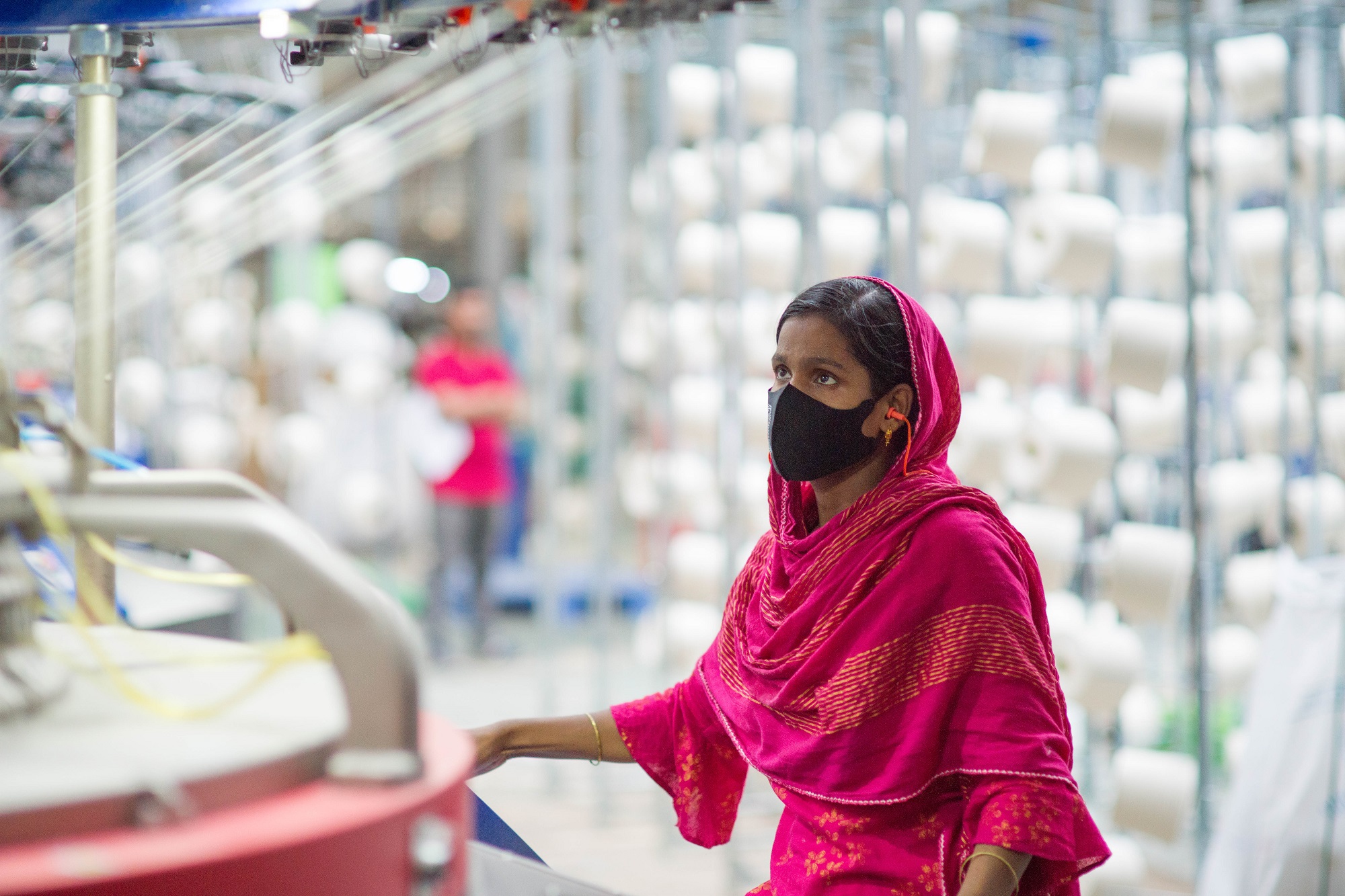
On the social impact front, the 77,000 women supported through empowerment programmes and Crystal’s participation in the RISE gender equality initiative carry weight in a region where workforce diversification and female labour participation are embedded in national economic visions from Saudi Vision 2030 to Egypt’s New Republic plan. MENA venture capital funds—increasingly active in sectors spanning agritech, climate tech, and industrial digitisation—will use this data set as due diligence reference when evaluating textile and apparel vertical investments that intersect with regional demand from the UAE, Saudi Arabia, and North Africa. The 525,000 trees planted, including mangrove restoration, also aligns with MENA climate adaptation strategies that are drawing blended finance from multilateral development banks and green sovereign bond issuances across the region.
Crystal’s stated net-zero-by-2050 target and its 60-plus global awards for ESG, workplace excellence, and governance performance are not endpoints but entry conditions. For MENA institutional investors, the message is unambiguous: downstream manufacturing sustainability is now an upstream capital allocation criterion, and the region’s infrastructure ambitions—whether in industrial parks, logistics corridors, or digital trade platforms—will be priced against exactly the standards Crystal is embedding today. The firms that move first on this axis will define the next tranche of sovereign and private capital flows into the MENA industrial ecosystem.