
The Escalating U.S. Drone Strikes in the Pacific Pose Challenges for Regional Stability and Investment
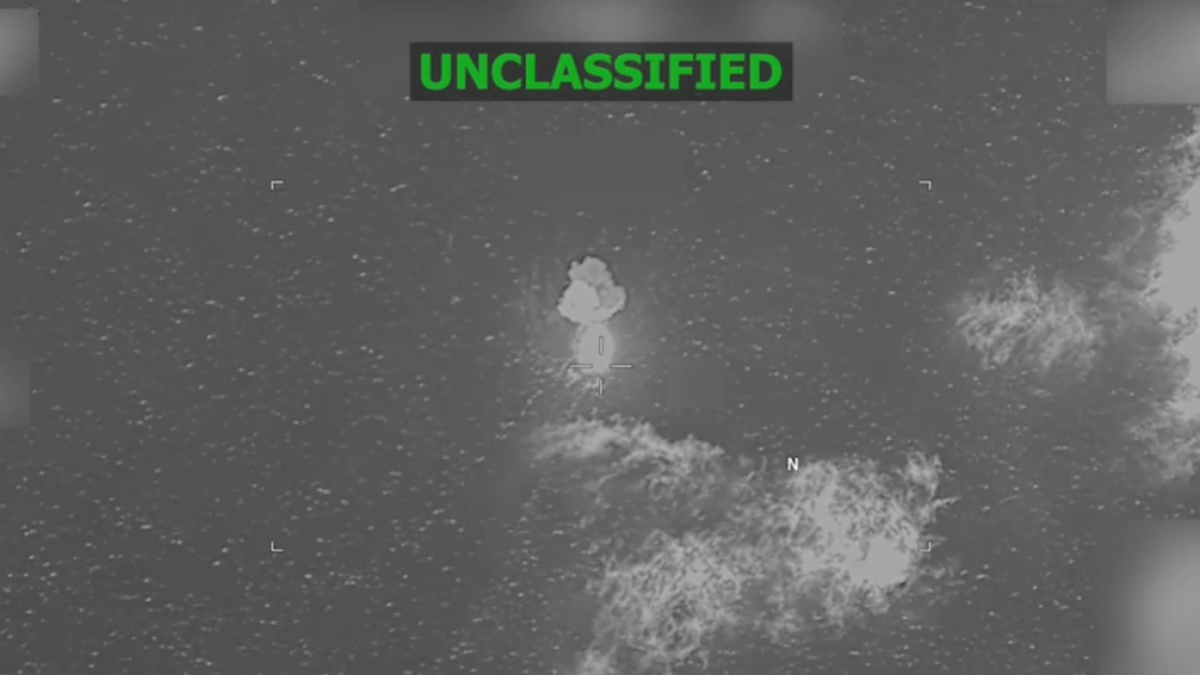
US military operations in the Eastern Pacific海域 have intensified in May following claims that target vessels associated with narco-trafficking, the third occurrence in the month. The most serious recent attack by US forces, reportedly leaving one survivor after 20 others were killed, has raised significant questions regarding the legality and consequences of such military endeavors on regional security and investment.
The toolbox of financial considerations for the MENA region facing these U.S. strikes on drug-trafficking vessels is both extensive and complex. Sovereign capital, venture capital, and regional infrastructure investments are key areas that could potentially be affected by an escalation in violence, reducing the overall liquidity of the region and deterring international investment. The infrastructural repercussions, such as the disruption of sea routes, port activities, and cargo logistics, may result in economic downturns in key nations reliant on trans-Pacific trade.
Moreover, the U.S. military assertions tout drug trafficking as akin to war against the US and have designated associated groups as terrorist entities, necessitating immediate military responses. While the U.S., under the Trump administration, justified these operations with such rhetoric, international legal experts, human rights organizations, and regional leaders dismiss these operations as extrajudicial killings, condemning the absence of armed conflict that can legitimize such actions.
These concerns not only apply to legal statutes of war and men global and the hindering international legal and regional partnership framework, but they also captured in naval militias who disparage terms like “narco-terrorists,” insinuating that targeted crew are mere individuals navigating by trade and seeking passage from Trinidad and Tobago to the Caribbean.
The broader implications of this troubling escalation extend to the MENA region, where investor confidence, particularly in regions like the Gulf states, where many nations are solid economic and driving forces in the region, is paramount to sustained growth and regional integration. While no direct attacks have been reported on MENA nations, the cognitive and economic ripple effects inexorably influence the global economic fabric, fostering a deterrent effect on new ventures and partnerships in the war-gathered scale.
Therefore, international stakeholders must hold the United States to account, seeking transparency and assurance that counter maritime terrorism initiatives adhere to international human rights norms that protect the global economy and the investments galore reliant on peaceful interaction and trade across the Pacific Ocean.