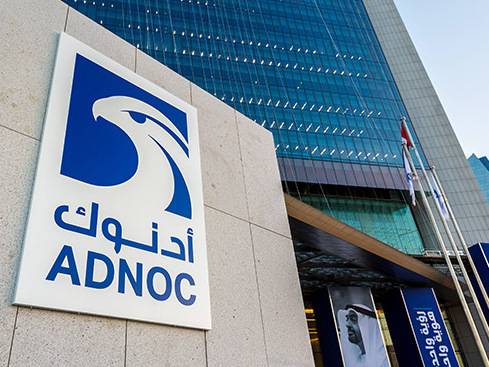

The recent Iranian retaliatory strikes, while limited in scope, have served as a stark reminder of the inherent geopolitical risks facing energy infrastructure across the Middle East and North Africa (MENA) region. Abu Dhabi National Oil Company (ADNOC), a cornerstone of the UAE’s economy and a significant global energy supplier, is demonstrably undertaking a comprehensive reassessment of its operational and physical security protocols. This isn’t merely a reactive measure; it represents a strategic recalibration in response to a heightened threat landscape, one that will likely reverberate throughout the region’s energy sector and influence investment decisions for years to come.
The business impact extends beyond ADNOC itself. Sovereign wealth funds, particularly Mubadala Investment Company and ADQ, which hold substantial stakes in ADNOC and related industries, will be closely scrutinizing the implications for asset valuations and long-term investment strategies. Increased security expenditures will inevitably impact profitability, potentially leading to a reassessment of capital allocation within the broader UAE economy. Furthermore, the incident underscores the vulnerability of regional energy supply chains, potentially prompting increased diversification efforts by importing nations and a renewed focus on energy security within national strategies. We anticipate a surge in demand for advanced cybersecurity and physical security solutions, creating opportunities for both domestic and international technology providers specializing in these areas.
The situation also has significant implications for venture capital activity within the MENA region’s technology sector. While traditional energy investments remain crucial, the heightened security concerns are likely to accelerate investment in technologies related to infrastructure protection, including advanced surveillance systems, drone defense technologies, and AI-powered threat detection platforms. Sovereign capital, already a dominant force in regional VC, will likely prioritize investments in companies offering solutions directly addressing these vulnerabilities. Moreover, the need for robust regional infrastructure – not just physical but also digital – to support enhanced security measures will necessitate significant public and private sector investment in telecommunications, data centers, and cybersecurity networks.
Ultimately, the events highlight the interconnectedness of geopolitical stability, energy security, and economic prosperity in the MENA region. While ADNOC’s response is focused on immediate mitigation, the broader implications necessitate a more holistic approach involving regional cooperation, enhanced diplomatic efforts, and sustained investment in resilient infrastructure. The incident serves as a catalyst for a fundamental shift in how energy assets are perceived and protected, with far-reaching consequences for businesses, investors, and governments across the region.