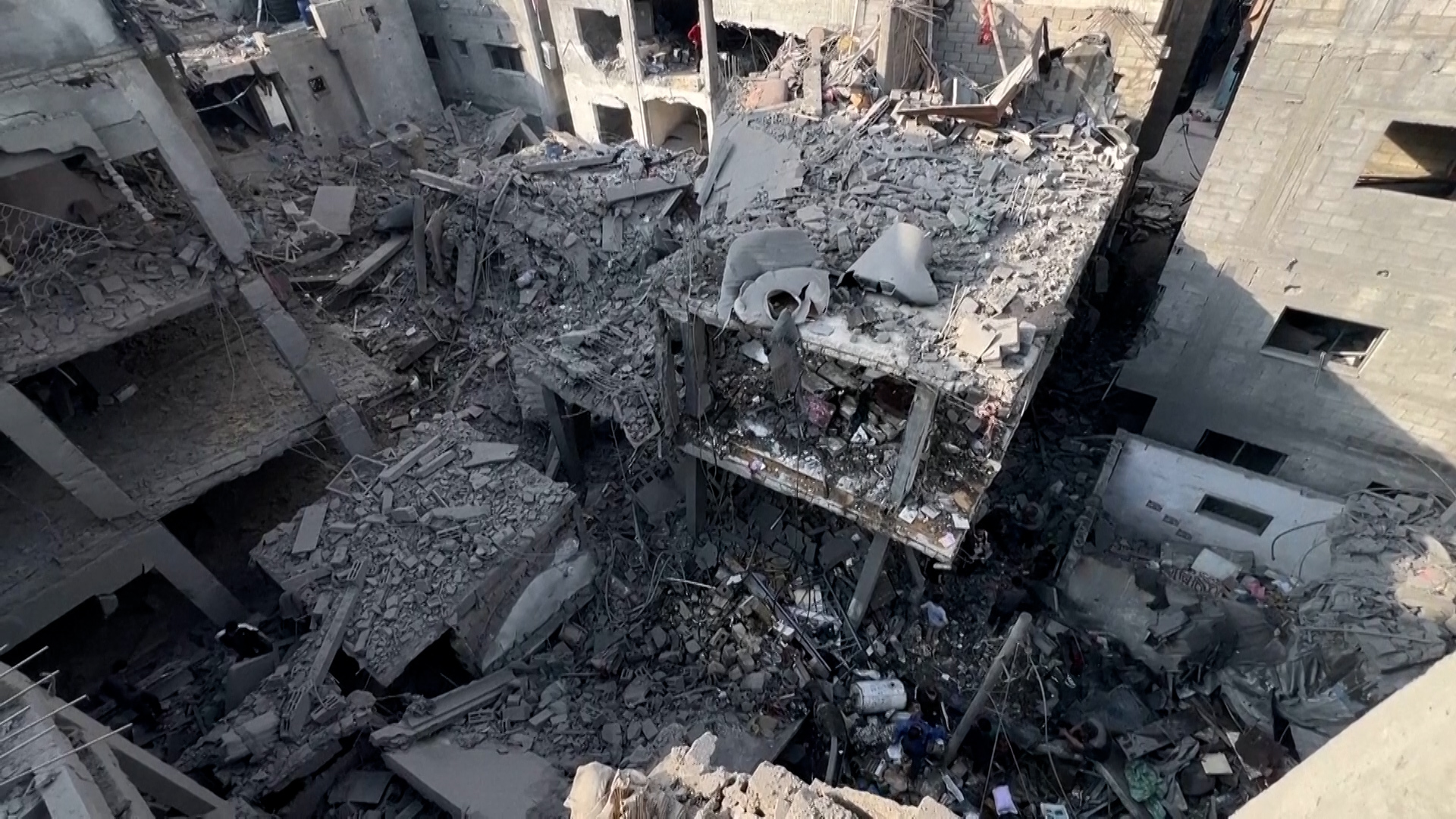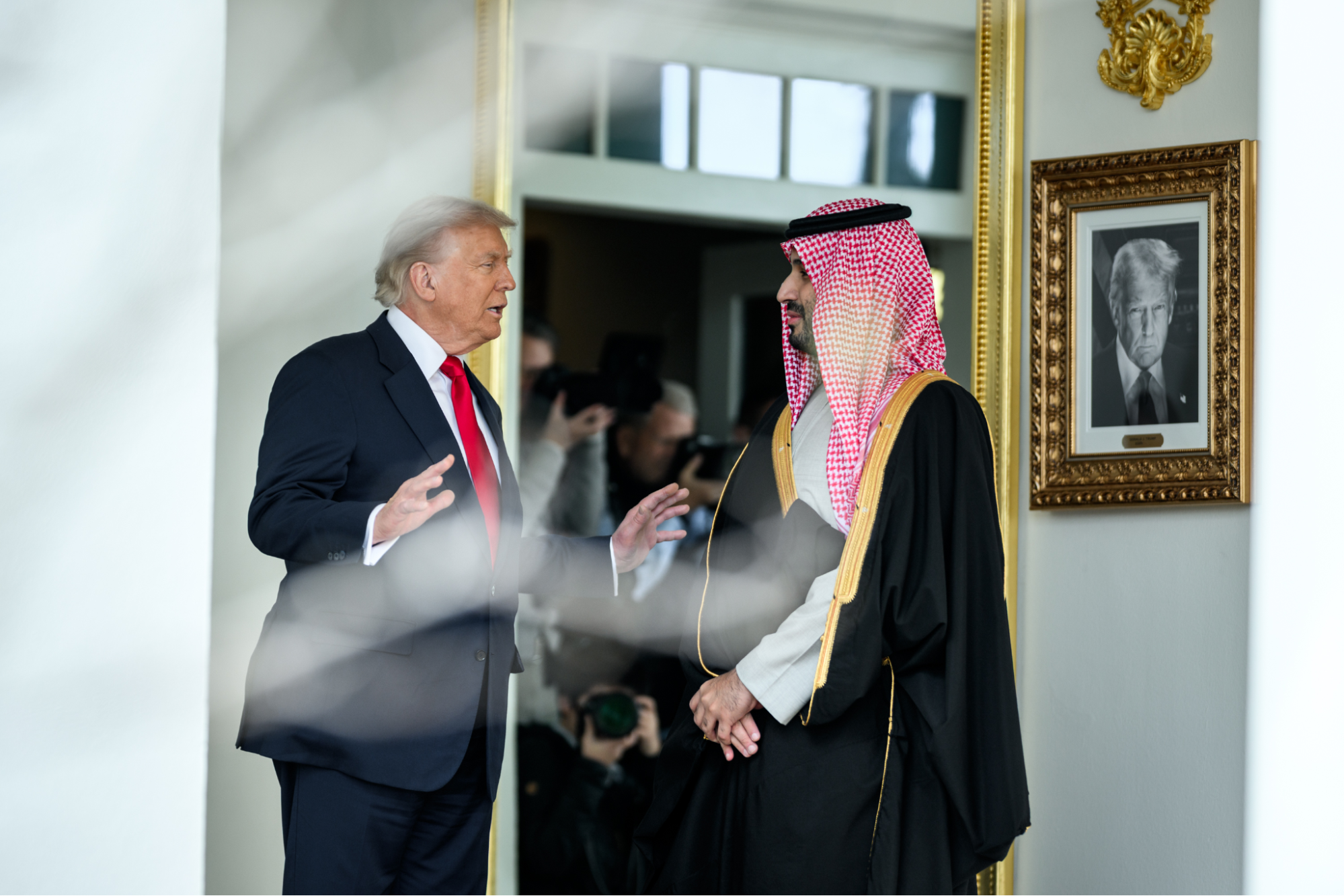

The current geopolitical turbulence unfolding in Iran casts a profound strategic shadow over Saudi Arabia’s evolving regional role, particularly as the kingdom navigates its ambitions to balance economic diversification with diplomatic engagement. The strikes against Iranian targets, while strategically aligned with US-led objectives, risk eroding Riyadh’s carefully cultivated narrative as a pragmatic mediator in the Middle East. This disruption could invert the calculus of the 2023 Saudi-Iran normalization agreement, which Saudi authorities framed as a model of de-escalation grounded in Chinese-led principles. A power vacuum in Iran, however, introduces unpredictable variables: the absence of Khamenei’s stabilizing influence could fragment governance or embolden hardline factions, amplifying proxy tensions in Yemen and the Gulf. For a nation still reliant on maintaining its dual mandate of diplomatic prestige and energy security, this poses a material sovereign capital challenge. Institutional investors and foreign governments evaluating Saudi Arabia’s stability as a haven for sovereign wealth fund deployments or venture capital commitments must now factor in heightened geopolitical volatility, which could redirect capital toward more predictable geographies or disrupt regional infrastructure partnerships.
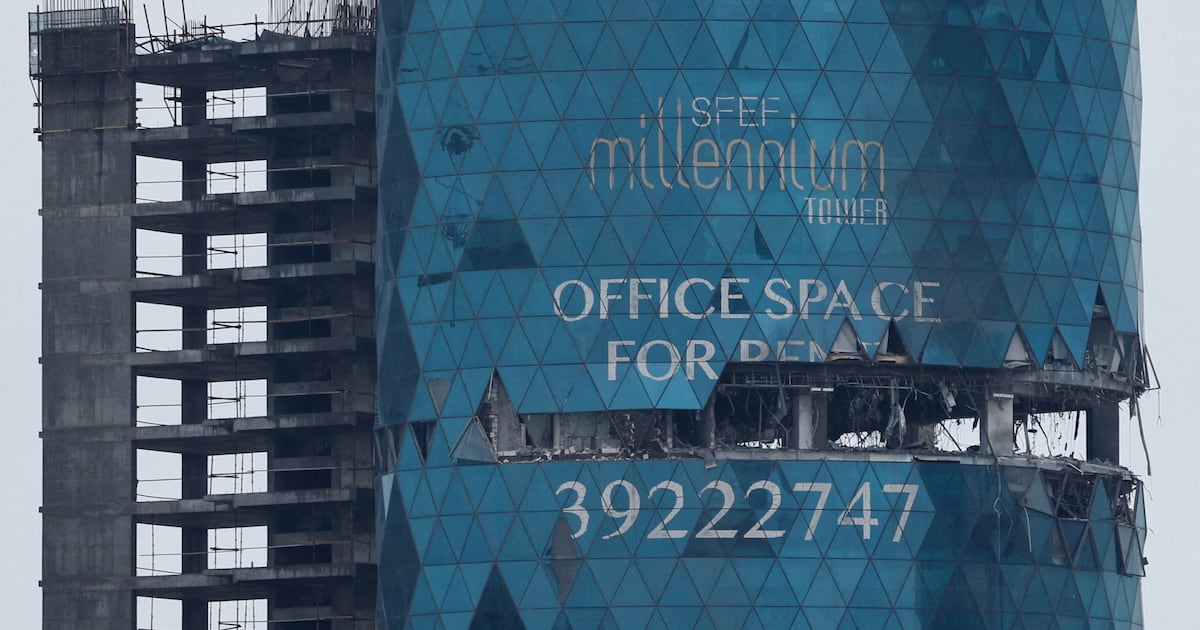
The business and infrastructure imperatives of Saudi Arabia’s Vision 2030 are acutely vulnerable to escalating regional instability. Critical infrastructure in the kingdom—such as the Abqaiq and Ras Tanura oil facilities, desalination complexes, and maritime chokepoints like the Strait of Hormuz—remain vulnerable to irreversible disruption, with cascading effects on global energy markets and supply chains. The 2019 drone attack demonstrated the existential risk these assets pose, and any renewed conflict could trigger prolonged closures or retaliatory strikes against Gulf operations. From a sovereign capital perspective, the volatility inherent in such scenarios increases the cost of capital for infrastructure projects, including flagship initiatives like NEOM. Venture capital ecosystems in the region, already fragmented by regulatory heterogeneity, may face further contraction as institutional risk appetites recalibrate. The kingdom’s ability to attract foreign direct investment (FDI) and private-sector innovation hinges on its capacity to insulate these ecosystems from cross-border conflict, a feat that requires robust regional security coordination—something currently overshadowed by external geopolitics.
The interplay between sovereign financial resilience and regional infrastructure stability reveals a paradox in Saudi Arabia’s strategic calculus. While a spike in oil prices may offer temporary fiscal relief, the long-term economic model under Vision 2030 is predicated on sustained foreign capital inflows, advanced technological partnerships, and a diversified industrial base. Prolonged uncertainty could precipitate capital flight from sovereign and private portfolios, widening sovereign debt spreads and reducing the kingdom’s attractiveness as a destination for regional venture capital. This dynamic is further compounded by the potential for retaliatory actions against Gulf infrastructure, which could disrupt critical supply routes for energy and petrochemical projects. Such scenarios risk entrenching Saudi Arabia’s dependence on US-led security guarantees, thereby constraining its ability to independently allocate sovereign capital toward long-term economic transformation goals. The divergence between short-term energy profits and the structural ambitions of Vision 2030 underscores a growing fragility in the kingdom’s economic architecture, one that demands immediate attention from policy and investment leaders alike.