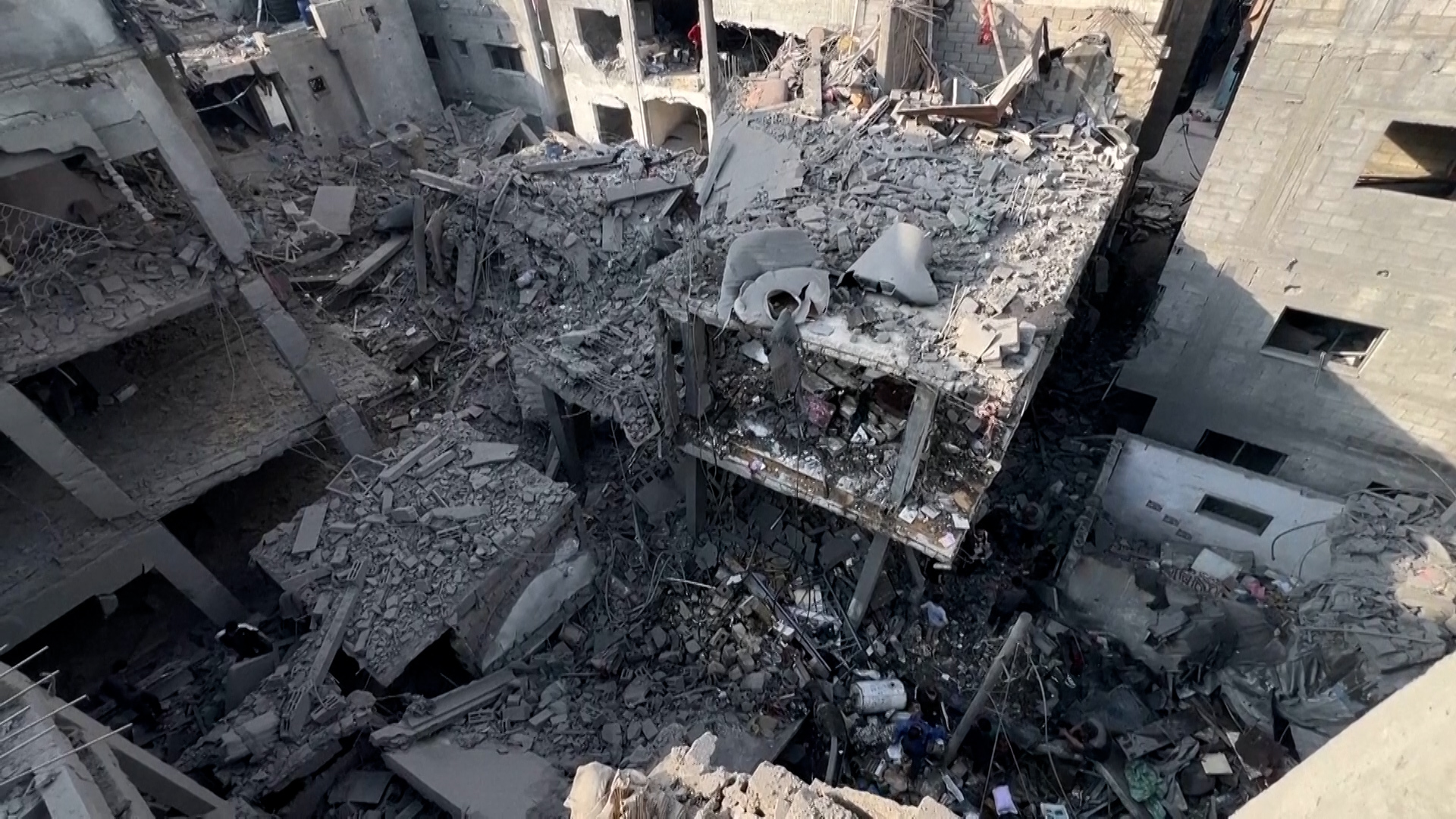

The Al-Shati Refugee Camp, a poignant symbol of the Middle East and North Africa’s complex socio-political landscape, continues to epitomize the region’s struggle amidst escalating tensions. Despite a ceasefire that brought a brief reprieve, overnight Israeli airstrikes plunged families into another nightmare. Displaced and terrorized, the residents search amidst rubble, vehemently criticizing the ceasefire breach. The sandstorm of destruction not only stripped them of shelter and belongings but also left them vulnerable, homeless, and exposed.
The ramifications of such crises reach far beyond the immediate human tragedy, casting a long shadow over the region’s economic and infrastructural fabric. The downturn in tourism, already a bleak sector, could suffer a further hit, impacting the diaspora in the region as well. Such events carry profound implications for sovereign capital, deterring foreign investments due to the increased risk of macroeconomic volatility. Venture capital, typically a lifeline for businesses navigating the Arab world’s challenging business environment, also witnesses a cooling down due to heightened concerns over regional instability.
The situation at Al-Shati Refugee Camp is reflective of larger infrastructural challenges the Middle East and North Africa region faces. With the region’s nascent infrastructure development all but grounded due to the current tumult, the entire spectrum of industries experiences a slowdown. The ripple effect is dramatic, sapping regional economic momentum and feeling at the bottom rung in the United Nations’ Development Programme’s Gender and Sustainable Development reporting. Increased volatility and the dwindling investor confidence could potentially deter crucial infrastructure investments, further complicating the region’s efforts at tangible progress.