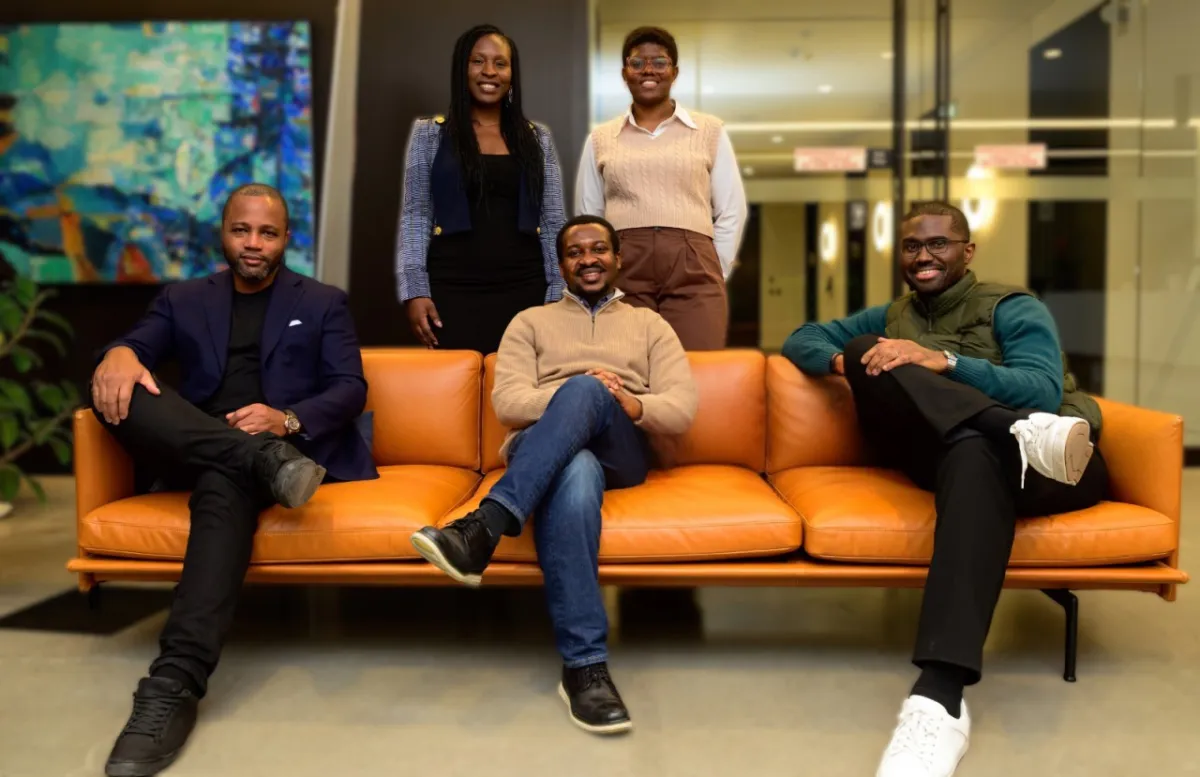

BKRCapital’s recent first close of CAD 20 million (≈ USD 14.5 million) for its Fund II underscores a growing trend among niche venture platforms that target founders from specific demographic cohorts to capture untapped arbitrage opportunities. While the fund’s geographic focus remains primarily Canadian, its investment thesis—backing high‑growth technology ventures led by Black founders building globally oriented solutions for the future of work, living, and connectivity—mirrors structural dynamics observable across the MENA region, where sizable diaspora populations and a nascent but rapidly expanding tech ecosystem create comparable sources of differentiated deal flow.
From a sovereign‑capital perspective, MENA‑based wealth funds and development agencies are increasingly allocating portions of their portfolios to thematic venture strategies that promise both financial returns and broader socio‑economic objectives, such as job creation, digital inclusion, and the diversification of hydrocarbon‑reliant economies. BKR Capital’s emphasis on performance‑driven allocation, rather than purely DEI‑labelled mandates, aligns with the region’s shift toward rigorous, outcome‑based investing. The fund’s average ticket size of USD 250 k‑1.5 m fits comfortably within the sweet spot of MENA‑focused seed and early‑stage vehicles, enabling co‑investment with local angels, corporate venture arms, and regional accelerators that seek to leverage cross‑border market access facilitated by founders’ transnational networks.
The implications for regional infrastructure are twofold. First, successful demonstration of arbitrage returns from overlooked founder pools can catalyze the creation of dedicated MENA‑focused funds that target under‑represented entrepreneur segments—such as women, refugees, or specific ethnic minorities—thereby deepening the pipeline of scalable tech ventures. Second, the connectivity‑centric solutions that BKR Capital seeks to back (e.g., remote‑work platforms, global‑supply‑chain tools, digital‑identity services) dovetail with ongoing investments in digital infrastructure across the Gulf and North Africa, including 5G rollout, cloud‑region establishment, and fintech sandbox initiatives. Collectively, these dynamics suggest that sovereign and private capital in MENA stand to benefit from replicating BKR Capital’s model, translating demographic diversity into measurable venture‑capital outperformance while reinforcing the region’s broader economic modernization agenda.