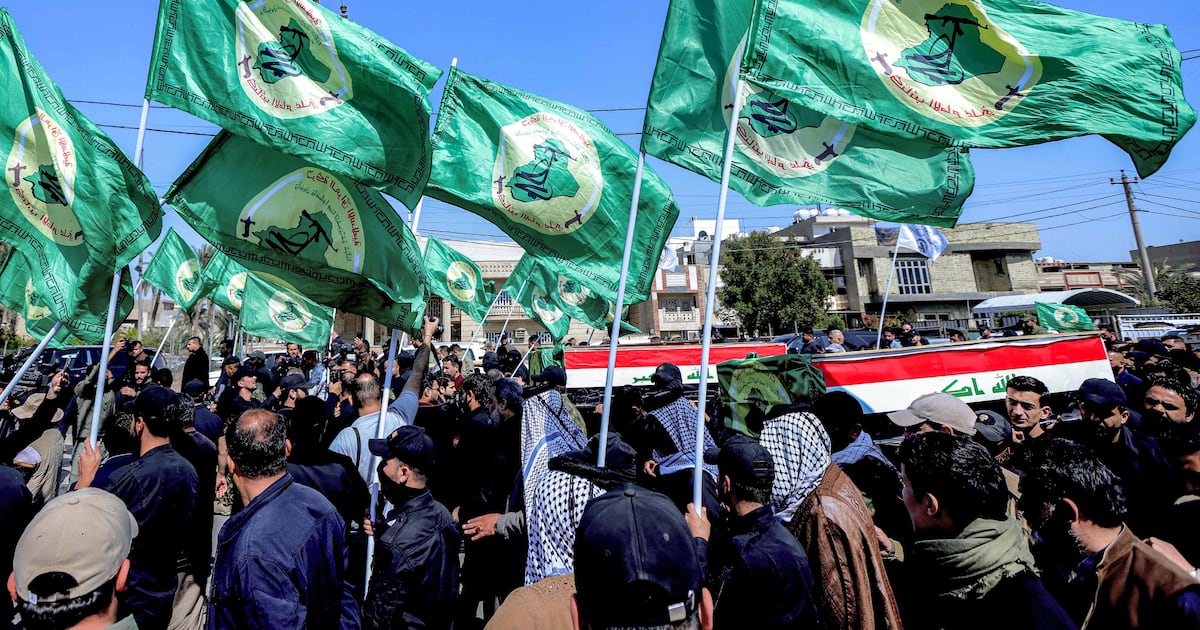

Theseries of strikes targeting Iraqi Popular Mobilization Forces (PMF) and Kurdish Peshmerga facilities in recent days represents a significant escalation in the regional conflict, with profound implications for business confidence, sovereign capital flows, and regional infrastructure stability. These attacks, occurring within key energy production zones and critical logistics corridors, risk disrupting oil and gas operations, export terminals, and supply chains fundamental to the Iraqi economy and broader MENA energy markets. The targeting of PMF infrastructure, in particular, underscores the persistent security challenges undermining institutional governance and investor assurance. This volatility directly impacts sovereign capital positioning, as international investors remain wary of high-risk exposures amidst ongoing geopolitical friction, potentially delaying or scaling back capital commitments and affecting sovereign risk ratings.
The Kurdish region’s sustained bombardment highlights the vulnerability of infrastructure beyond federal control, including the Soran border area and Erbil. Given Kurdistan’s crucial role as an energy hub, including oil pipelines and potential future export routes like the proposed Iraq-Turkey pipeline, these repeated strikes amplify concerns about the security of energy assets and transit routes. This uncertainty discourages long-term infrastructure investment and venture capital deployment into emerging tech and energy projects within contested or insecure areas, diverting resources towards higher-risk, potentially lower-return ventures or leaving critical regional development projects stalled. The lack of a clear deterrent against such attacks signals a persistent risk premium for infrastructure development across the MENA.
Consequently, the escalating conflict acts as a potent disrupter to regional economic stability. The disruption to Iraq’s oil production and exports, even if temporary, contributes to global energy price volatility, impacting sovereign revenues for resource-dependent MENA states and increasing the cost burden on businesses reliant on stable energy supplies. Venture capital, particularly in the fintech and digital infrastructure sectors crucial for MENA’s modernization, faces headwinds as risk appetites diminish and focus shifts towards security and stability. Sovereign wealth funds and state-backed development entities must now incorporate heightened security risk premiums into their investment calculus, potentially favoring more secure, albeit less transformative, projects. The overall business environment suffers from increased operational costs, logistical delays, and the chilling effect on foreign direct investment, demanding robust, state-backed security assurances for any meaningful economic recovery and infrastructure advancement.