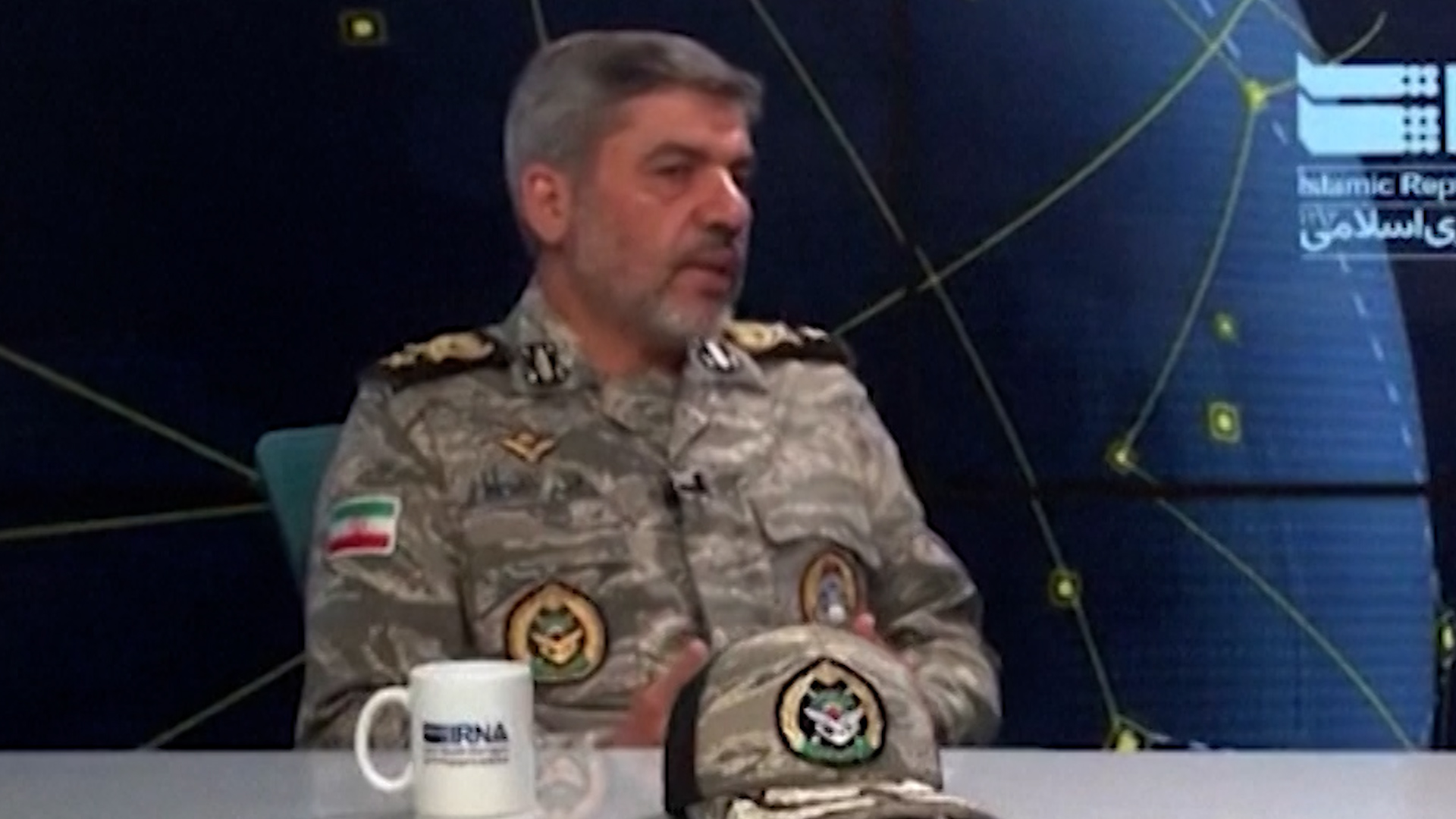

Iran’s military leadership has warned that any renewed confrontation with regional adversaries will be met with “surprising” new capabilities, signalling a likely acceleration of indigenous defence‑technology programmes. For sovereign investors and sovereign wealth funds across the Gulf, this pronouncement introduces heightened geopolitical risk premiums that could reverberate through sovereign bond spreads and equity valuations, especially for firms with exposure to Iranian markets or supply chains. The prospect of a broader escalation also threatens the security of the Strait of Hormuz, a chokepoint that underpins 20 % of global oil shipments; any disruption would tighten global oil markets, inflate freight rates, and ripple through the MENA region’s energy‑dependent fiscal calendars.
Venture capital firms eyeing the MENA tech landscape must now reassess portfolio exposure to Iranian‑linked startups, particularly those operating in cyber‑security, unmanned systems, and dual‑use technologies. While Iran’s push for asymmetric warfare could stimulate a domestic innovation surge, the accompanying sanctions environment will likely curtail cross‑border capital flows, forcing regional funds to seek alternative jurisdictions or risk‑adjusted structures. This dynamic may accelerate the consolidation of venture ecosystems in the United Arab Emirates, Saudi Arabia, and Qatar, as they become the primary conduits for funding high‑growth, defence‑adjacent enterprises.
Infrastructure projects that rely on unimpeded maritime logistics—such as the Red Sea‑to‑Europe rail corridor, the Gulf Cooperation Council’s digital backbone, and new liquefied natural gas terminals—face heightened uncertainty. Anticipated spikes in insurance premiums for vessels transiting the Hormuz Strait could erode the cost‑competitiveness of existing pipelines and spur accelerated investment in overland alternatives. Public‑private partnership models will need to incorporate robust force‑majeure clauses and diversified routing to mitigate exposure to sudden maritime bottlenecks.
Overall, Tehran’s assertive stance injects a layer of strategic volatility that will compel regional sovereign wealth entities, private equity houses, and infrastructure developers to recalibrate risk models, diversify asset allocations, and seek insurance solutions that can absorb the fiscal shock of any potential escalation. The ensuing shift in capital flows is set to reshape the MENA investment landscape, privileging jurisdictions with stable geopolitical profiles and advanced technological ecosystems.