
The Middle East and North Africa are witnessing a paradigm shift in logistics as strategic infrastructure investments accelerate, with the Sonowal project at Tuna-Tekra emerging as a cornerstone development in this dynamic. This approval underscores a deliberate effort to ameliorate transport bottlenecks, align regional freight flows with growing trade volumes, and reinforce the design imperative of reliable supply chain connectivity. The nexus of sovereign capital deployment and venture investment is palpable, setting the stage for a measurable transformation in how regional commerce moves through the Gulf’s evolving corridors.
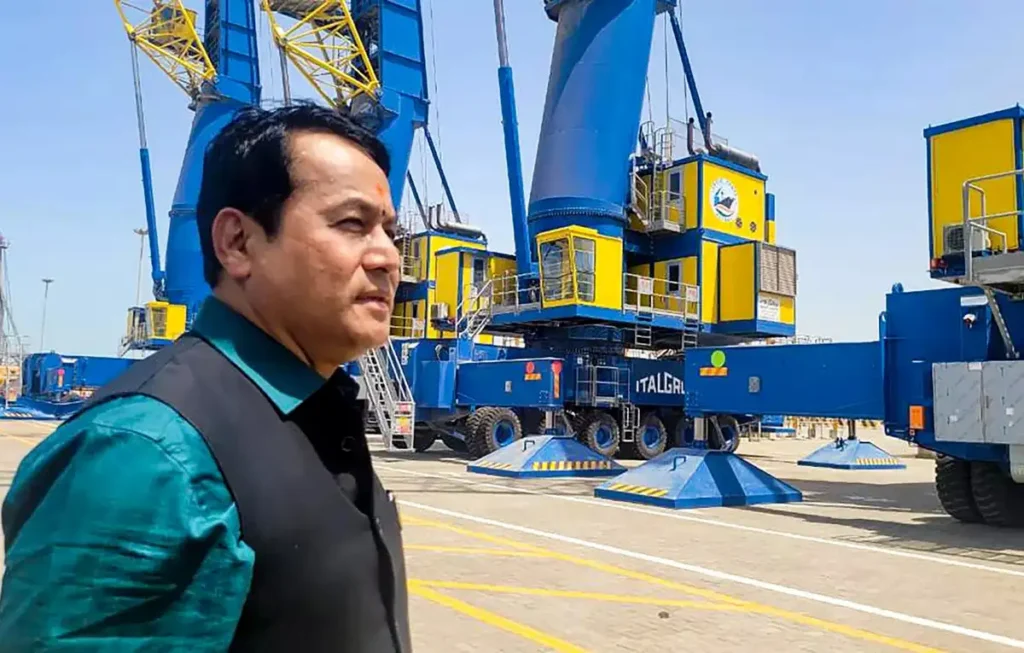
The signing of this transaction by Sarbananda Sonowal reflects a calculated response to increasing cargo demand and the imperative for resilient port ecosystems. The approved ₹472 crore ROB, coupled with the road extension, is more than a construction initiative—it is a strategic maneuver aimed at enhancing the throughput capacity required to absorb vast volumes at the forthcoming Tuna-Tekra Mega Container Terminal. The physical components, including viaducts and a creek-crossing bridge, will directly support the terminal’s ultimate ambitions, ensuring seamless integration of road, rail, and sea transport modalities.
Beyond immediate operational gains, this project signals a broader alignment with continental development frameworks such as Maritime India Vision 2030 and the Maritime Amrit Kaal Vision 2047. These commitments incentivize sovereign entities and institutional investors to channel capital toward projects that simultaneously boost economic competitiveness, attract foreign direct investment, and reinforce the region’s status as a logistical superhighway. The long-term maintenance ambitions embedded within the ROB also highlight an investor’s foresight, emphasizing sustainability over short-term returns.
In this critical juncture, the strategic implications extend across multiple stakeholder boundaries—sovereign capital deployments, venture funding rounds, and infrastructure financing models. The event reaffirms the vital role of MENA’s financial and technological sectors in facilitating transformative projects, ensuring that the region not only participates in but actively shapes the future of global supply chains.